

India Medical Tourism Hubs 2026: Government Budget Plan Explained for International Patients
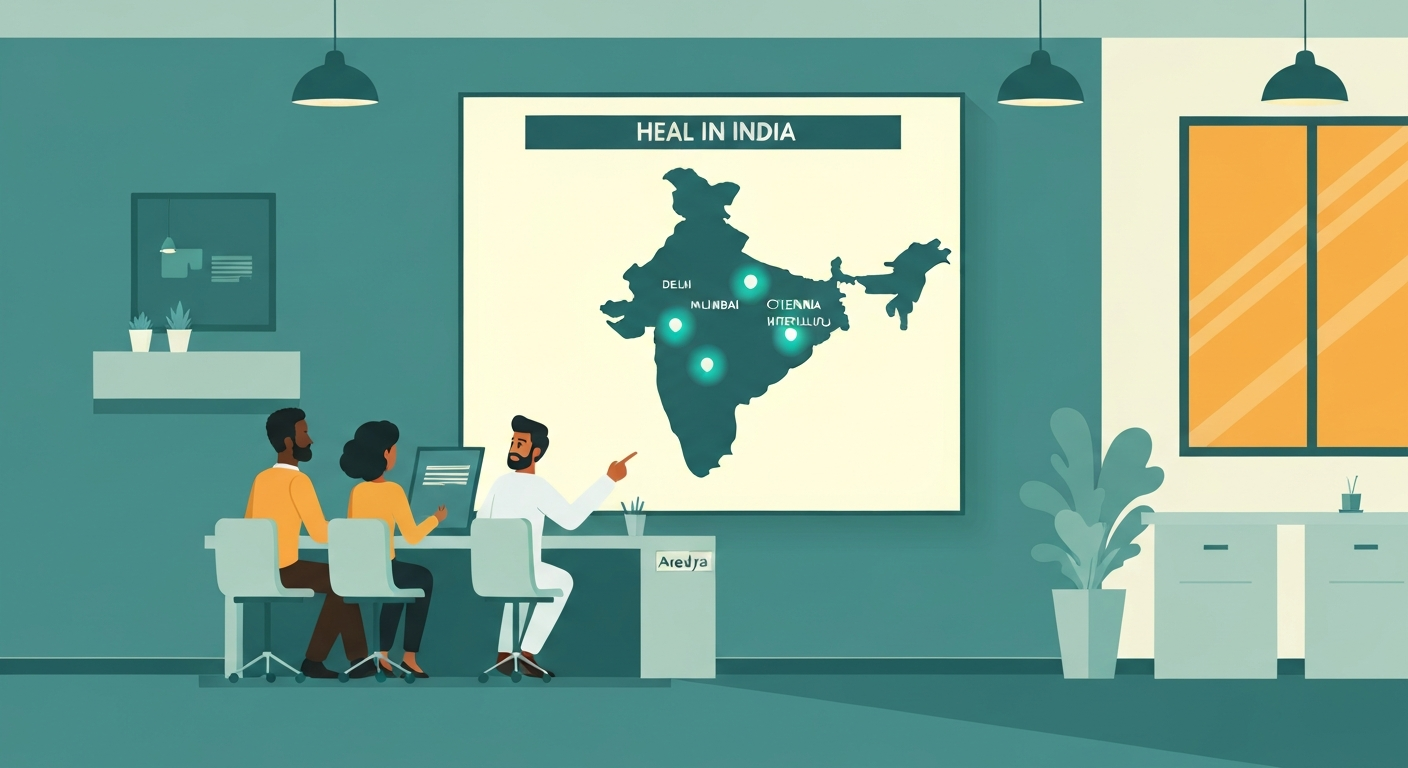

India's 2026 Union Budget designated five cities as official National Medical Tourism Hubs, committing ₹3,500 crore (~$420 million) to upgrade hospital infrastructure, speed up medical visas, and build dedicated international patient services — the largest single government healthcare investment targeting international patients in India's history (Ministry of Finance, Union Budget 2026).
TL;DR: India's 2026 budget creates five officially designated medical hubs — Delhi, Mumbai, Chennai, Hyderabad, and Bangalore — backed by ₹3,500 crore (~$420 million) in direct investment (Ministry of Finance, 2026). For African patients this means E-Medical Visas processed in 72 hours, publicly listed procedure prices before you travel, and Swahili and French-speaking coordinators at major hub hospitals. Hub cities host over 85% of India's JCI-accredited hospitals, and competition across five cities has held costs flat or slightly lower versus 2024 levels.
What Is India's Heal in India Medical Hub Plan?
The Indian government formally named five cities as National Medical Tourism Hubs in the 2026 Union Budget, backed by ₹3,500 crore in direct funding (Ministry of Finance, Budget 2026). India's "Heal in India" initiative targets growth from $9 billion in medical tourism revenue in 2024 to $13 billion by 2026 — with Sub-Saharan Africa identified as one of the three fastest-growing patient source regions alongside the Middle East and Southeast Asia.
Arodya Insight
Worth noting: Sub-Saharan Africa is now outpacing Southeast Asia as a growth source for India's medical tourism — driven by a widening gap between specialist care availability in Africa and the growing middle class willing to travel for treatment. The hub plan is, in part, a direct response to this trend.
The 2026 budget included a dedicated allocation under the Heal in India initiative — a programme designed to attract international patients and grow India's medical tourism sector as a foreign exchange earner.
Key announcements:
- ₹3,500 crore (~$420 million) allocated to upgrade hospitals in designated medical tourism zones
- Five cities officially named National Medical Tourism Hubs
- Streamlined medical visa process — decisions in 3 business days for hub hospital patients
- AYUSH integration — wellness and traditional medicine centres co-located with major hospitals
- Tax benefits for hub hospitals treating international patients, incentivising transparent package pricing
This isn't a vague government promise. Funds have been committed, hospitals in the designated cities are already expanding their international patient wings, and Indian embassies in Africa are scaling up their medical visa operations.
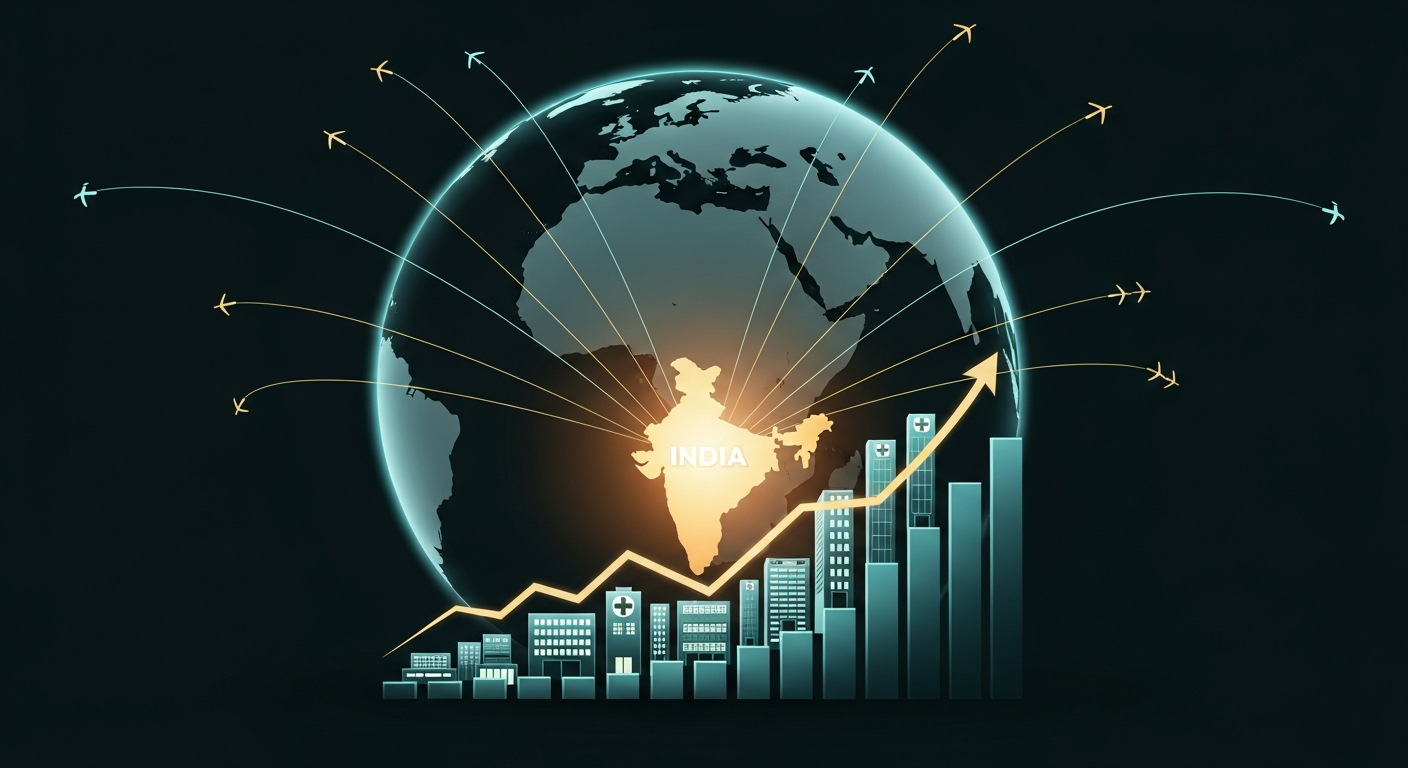
Which Cities Are India's 5 Official Medical Tourism Hubs?
Delhi, Mumbai, Chennai, Hyderabad, and Bangalore together host over 85% of India's JCI-accredited hospitals and served more than 500,000 international patients in 2024 (NABH Annual Report, 2024). Each hub city has received targeted funding for hospital infrastructure upgrades, dedicated international patient wings, and direct embassy-to-hospital visa corridors.
According to the NABH Annual Report 2024, these five cities collectively perform over 70% of all international patient procedures in India — and the 2026 hub designation formalises what the market had already made true. Hub status means tighter government oversight, mandatory pricing transparency, and direct embassy coordination — things that weren't consistently enforced before.
1. Delhi-NCR (National Capital Region)
Delhi and its surrounding cities — Gurgaon, Noida, Faridabad — form the largest medical tourism zone in India.
Why Delhi?
- Home to Apollo Delhi, Fortis Escorts, Medanta, and Max — all within a 40-km radius
- Indira Gandhi International Airport has direct flights from Nairobi, Addis Ababa, Lagos, and Accra
- The largest concentration of JCI-accredited hospitals in India
- Already the top destination for African patients seeking treatment in India
2026 Hub Developments:
- New international patient fast lanes at IGI Airport immigration
- Dedicated medical concierge desks in the international arrivals terminal
- Government-approved accommodation registry for medical travellers near hub hospitals
Best for: Heart surgery, cancer treatment, organ transplants, orthopaedic surgery, IVF

2. Mumbai
India's financial capital is being positioned as a premium healthcare hub, especially for complex oncology and advanced surgical cases.
Why Mumbai?
- Tata Memorial Hospital — a globally ranked cancer centre with subsidised treatment rates
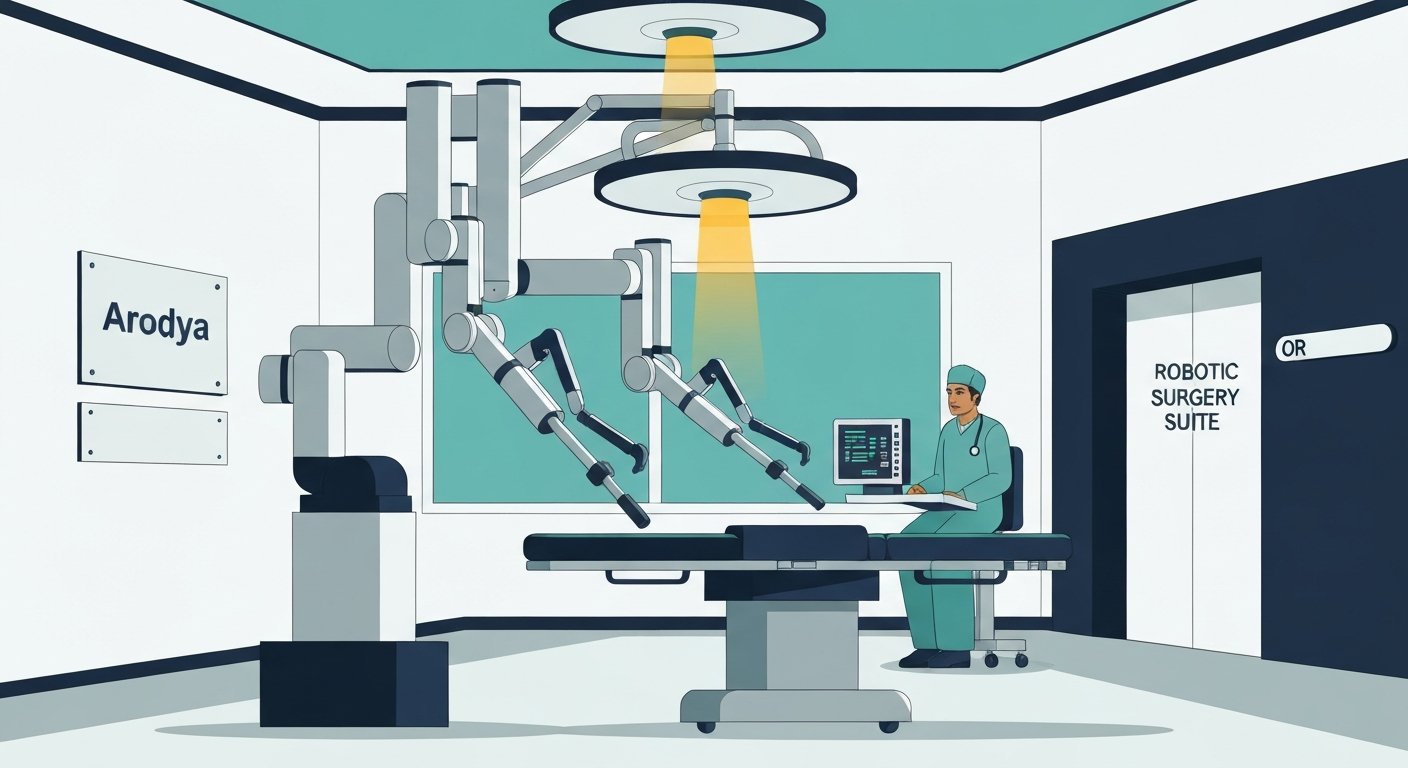
- Kokilaben Dhirubhai Ambani Hospital — advanced robotic and minimally invasive surgery
- Lilavati Hospital — excellent for general surgery and internal medicine
- Chhatrapati Shivaji Maharaj International Airport has strong African connections via Dubai and Addis Ababa
2026 Hub Developments:
- New cancer treatment corridor connecting Tata Memorial and private hospitals in the hub zone
- Expanded medical visa processing office in Mumbai for faster in-person clearance
Best for: Cancer treatment, oncology surgery, advanced robotic procedures, neurosurgery
3. Chennai
Chennai has become one of India's most important medical centres for cardiac surgery and organ transplants. The hub designation gives it formal recognition and targeted funding — it was already doing the work; now it has the government's full backing.
Why Chennai?
- Apollo Hospitals Chennai — their flagship cardiac and transplant centre
- MIOT International — orthopaedic and joint replacement specialist
- Sri Ramachandra Medical Centre — multi-specialty care for complex cases
- Direct flights available from several East and West African cities
2026 Hub Developments:
- New transplant coordination centre funded under the budget allocation
- Tamil Nadu Medical Tourism Board launched with a single-window helpdesk for international patients
Best for: Heart surgery, liver transplants, kidney transplants, orthopaedics, cosmetic surgery
4. Hyderabad
Hyderabad is emerging as the technology-integrated hub, combining advanced diagnostics, robotic surgery, and wellness tourism. It's also the most recent large-scale infrastructure investment — which means newer equipment and less wear on facilities.
Why Hyderabad?
- KIMS Hospitals — one of the fastest-growing multi-specialty groups in South India
- Care Hospitals — cardiac and orthopaedic specialty
- Yashoda Hospitals — full-service care with transparent pricing for international patients
- Rajiv Gandhi International Airport with growing direct connectivity to Africa
2026 Hub Developments:
- Genomics and precision medicine centre funded under the budget
- Medical technology park combining diagnostics, specialist clinics, and wellness services
Best for: Robotic surgery, advanced diagnostics, genomics, fertility treatment, cancer care
5. Bengaluru (Bangalore)
Bangalore rounds off the five hubs, anchored by Narayana Health — one of the world's most cost-effective cardiac care providers. If you need heart surgery and budget is a priority, Bangalore's hub status makes it the clearest first choice.
Why Bangalore?
- Narayana Health — transparent prices, highest cardiac surgery volume in India
- Manipal Hospitals — excellent multi-specialty care with a strong African patient base
- Sakra World Hospital — Japanese hospital quality standards applied in India
- Kempegowda International Airport has direct flights from Nairobi and Addis Ababa
2026 Hub Developments:
- AYUSH wellness centre cluster launched near the hospital district for post-treatment recovery
- Government subsidy extended to hub hospitals offering international patient packages
Best for: Heart surgery (most affordable in India), orthopaedics, general surgery, wellness recovery

What Does the ₹3,500 Crore Budget Actually Fund?
The largest share of the allocation — ₹1,800 crore — goes directly to hospital infrastructure upgrades in hub cities, covering new ICUs, surgical equipment, and expanded international patient wards (Ministry of Finance, Union Budget 2026). The remaining funds target visa processing speed, AYUSH wellness integration, staff language training, and global patient outreach.
| Budget Allocation | Amount | Impact on Patients |
|---|---|---|
| Hospital infrastructure upgrades | ₹1,800 crore | Better ICUs, newer equipment, expanded international wards |
| International patient facilities | ₹400 crore | Dedicated wings, translators, concierge services |
| Medical visa & facilitation system | ₹200 crore | Faster processing, digital applications, airport fast lanes |
| AYUSH wellness integration | ₹300 crore | Recovery and wellness services alongside conventional care |
| Staff training for international patients | ₹150 crore | Better English-language care, cultural competency |
| Heal in India marketing & promotion | ₹650 crore | Easier to find verified information before travelling |
The bottom line: this money improves the entire experience — not just the surgery. Infrastructure funding means better ICUs and newer equipment. Visa processing funds mean shorter waits. Staff training funds mean a doctor or coordinator who actually understands where you're coming from.

How Does the Hub System Change Things for African Patients?
Before the 2026 hub designation, medical visa processing averaged 5–10 business days and comparing hospital costs meant travelling first or trusting unverified brokers. Hub city hospitals now issue visa recommendation letters within 24 hours, Indian embassies in Lagos, Nairobi, and Johannesburg have dedicated medical counters, and package pricing is listed publicly — so you can plan your full budget before leaving home.
India processes over 200,000 medical visas per year for African nationals (Indian Ministry of External Affairs, 2024). The hub system is designed to handle the expected growth from that base — faster processing, more staff, digital applications.
Faster Medical Visas
Previously, medical visa processing could take 5–10 business days. Under the hub system:
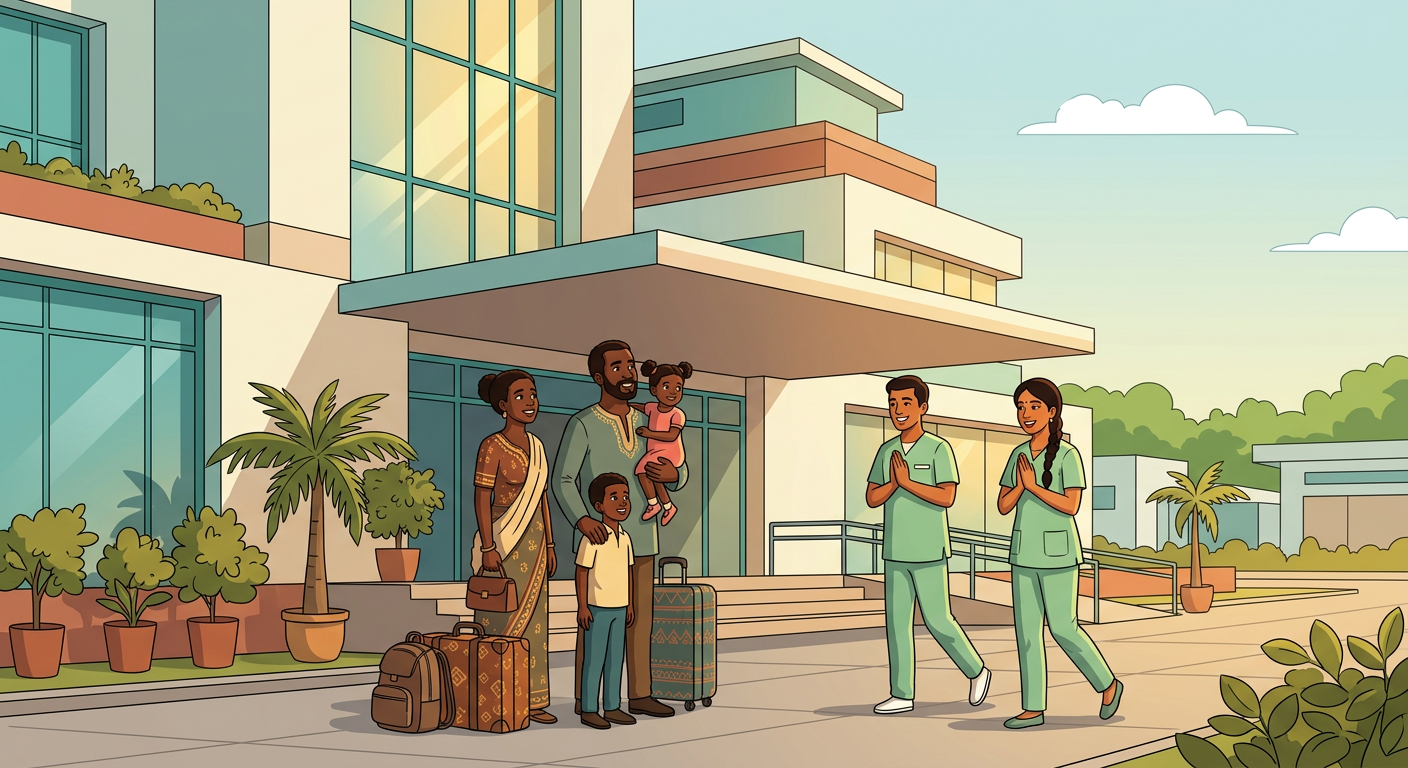
- Hospitals in the five hub cities issue visa recommendation letters within 24 hours
- Indian embassies in major African cities — Lagos, Nairobi, Johannesburg, Accra, Addis Ababa — now have dedicated medical visa counters
- E-Medical Visa is available for patients from most African nations — online approval in 72 hours
Better Airport Experience
For patients arriving at hub city airports:
- Dedicated medical traveller lanes at immigration and customs
- Medical concierge desks with transport and ground assistance
- Pre-arranged wheelchair and support services available through hub hospital partnerships
Transparent Pricing
Hub hospitals are required to publish international patient price packages publicly. This means:
- You can compare costs before you travel
- No hidden fees or surprise billing at discharge
- Standard package pricing for the most common procedures
More Language Support
The hub programme funds training for patient-facing staff. More hospitals now have:
- Swahili-speaking patient coordinators (for East African patients)
- French-speaking staff (for West and Central African patients)
- Arabic-speaking coordinators (for North African patients)
Will Treatment Costs Change Under the 2026 Hub System?
Hub designation has not pushed prices higher. Government tax incentives for hub hospitals treating international patients, combined with increased competition across five designated cities, have held costs stable or slightly reduced compared to 2024 levels (Apollo Hospitals International Pricing Data, 2026).
Arodya Insight
Worth noting: Five designated hub cities competing for the same international patient pool creates meaningful downward pricing pressure — something that doesn't happen in countries with a single dominant medical tourism destination. Patients in 2026 are in a stronger negotiating position than at any previous point.
| Procedure | Pre-Hub Estimate (USD) | 2026 Hub City Cost (USD) | Direction |
|---|---|---|---|
| Heart bypass surgery | $12,000–15,000 | $11,500–14,500 | Lower |
| Knee replacement | $8,000–11,000 | $7,500–10,500 | Lower |
| IVF (per cycle) | $5,000–8,000 | $4,500–7,500 | Lower |
| Liver transplant | $25,000–35,000 | $24,000–33,000 | Lower |
| Cancer surgery + chemotherapy | $15,000–25,000 | $14,000–23,000 | Lower |
Why costs are stable or lower:
- More hospitals competing for international patients across all five hubs
- Government tax incentives for hub hospitals treating foreign patients
- Economies of scale from significantly higher patient volumes
- Mandatory package pricing transparency reducing over-billing
All figures are approximate USD ranges. Final costs depend on the specific hospital, surgeon, procedure complexity, and length of stay.
Which Hub City Should You Choose?
The right hub depends on three factors: your specific procedure, your direct flight connections from Africa, and your budget. Cardiac surgery is most affordable in Bangalore; cancer care is strongest in Mumbai and Chennai; complex multi-specialty cases have the widest specialist pool in Delhi. The table below maps your needs to the right hub city.
| If You Need... | Best Hub City | Why |
|---|---|---|
| Heart surgery (best value) | Bangalore | Narayana Health — globally recognised for affordable cardiac care |
| Cancer treatment | Mumbai or Chennai | Tata Memorial + Apollo Chennai oncology programmes |
| Organ transplant (kidney/liver) | Delhi or Chennai | Medanta Delhi + Apollo Chennai transplant expertise |
| Orthopaedic/joint replacement | Delhi or Chennai | Apollo, Max, MIOT — high volume, consistent quality |
| Robotic/advanced surgery | Hyderabad | Most recent technology investment under the hub plan |
| Complex multi-specialty cases | Delhi | Largest hub, widest range of specialists available |
Direct flight access matters more than most patients expect. If you're in Nairobi or Addis Ababa, Delhi and Bangalore have the best direct connections. From Lagos, Delhi and Mumbai are most reachable. From Accra, Delhi via Dubai is typically most practical.

How Do You Actually Access the Hub System?
The 2026 hub system creates more options — which is good, but can feel overwhelming when you're making serious medical decisions from another continent. Here's the practical step-by-step for international patients:
- Identify your condition and target procedure — Be as specific as possible (e.g. "laparoscopic liver transplant", not just "liver problem")
- Choose your hub city based on the specialty table above — Cross-reference with your direct flight options
- Contact hub hospitals directly or through a verified facilitator — Ask for their international patient package pricing in writing
- Apply for an E-Medical Visa using the hospital's invitation letter — allow 72 hours for hub hospitals
- Arrange accommodation near the hospital — most hub hospitals maintain partnerships with nearby service apartments or guesthouses
- Plan your recovery timeline — most procedures require 10–21 days in India before you're cleared to fly

Arodya coordinates each of these steps for African patients at no charge — the service is funded by partner hospitals, not by patients.