

General Physician in India: Complete Guide to Primary Healthcare, Expert Internal Medicine Care, and Comprehensive Medical Management

Mental Health & Integrative Wellness Writer

TL;DR: General physician / internal medicine consultation in India costs USD 20–80 at private hospitals - 80–90% less than equivalent consultations in the USA. Complex diagnostic workups (blood panels, imaging, specialist referrals) can be completed in 1–2 days at major Delhi hospitals. Teleconsultation is available for second opinions before travel.
A good internist can change the course of a patient's health. Many African patients arrive at Indian hospitals after years of inadequately managed hypertension, undiagnosed thyroid disease, or diabetes that has been treated without access to the right medications or monitoring tools. India's general physicians - called internists or internal medicine specialists - bring the diagnostic tools, specialist access, and evidence-based treatment knowledge to address conditions that have been undermanaged or mismanaged at home.
What Is a General Physician (Internist)?
A general physician, or internist, specialises in adult medicine - the diagnosis and management of conditions affecting the internal organs. This isn't primary care in the traditional sense. India's internists hold an MBBS (5.5 years of medical training) plus an MD in General Medicine or Internal Medicine (3 additional years of specialty training), and many have completed further subspecialty fellowships in cardiology, nephrology, gastroenterology, or respiratory medicine.
What distinguishes internal medicine from surgery or narrow subspecialties is breadth and coordination. When a patient has three or four problems simultaneously - diabetes, hypertension, kidney disease, and anaemia - an internist manages all of them together, coordinates specialist input, and makes decisions that account for how conditions interact.
India has approximately 80,000 MD-trained internists, concentrated heavily in urban centres and major hospitals (Medical Council of India, 2024).
Citation capsule: India's National Medical Commission reports over 80,000 registered MD/DNB General Medicine specialists - a large physician base relative to South Asian peers. Major private hospitals in Delhi, Mumbai, and Chennai have internist-to-bed ratios comparable to mid-tier European hospitals, enabling timely consultations and comprehensive workups for international patients (National Medical Commission, 2024).
What Does an Indian Internist Manage?
The scope is broad. Common conditions managed by general physicians at major Indian hospitals:
Cardiovascular Conditions
Hypertension - India's internists are experienced with multi-drug regimens, home blood pressure monitoring counselling, and complications screening (ECG, echocardiogram, kidney function, eye check). Blood pressure targets and medication classes follow international guidelines (ESC, JNC8).
Heart disease - initial evaluation of chest pain, dyspnea, and palpitations, with cardiology referral coordinated where needed. Medication management for established ischaemic heart disease, monitoring for drug interactions.
Heart failure - optimising diuretics, ACE inhibitors or ARBs, beta-blockers, and newer agents (SGLT2 inhibitors now have evidence for heart failure benefit). NYHA functional assessment and echocardiographic monitoring.
Respiratory Conditions
COPD and asthma - spirometry for diagnosis, inhaler technique assessment, exacerbation management. India has significant expertise in COPD given high rates of indoor air pollution exposure.
Tuberculosis - India is still the country with the highest absolute TB burden (WHO TB Report, 2023). Indian internists are highly experienced with TB diagnosis (sputum microscopy, GeneXpert, culture), drug-sensitive and drug-resistant TB regimens, and HIV-TB co-infection. This expertise is directly relevant to African patients.
Pneumonia and lower respiratory infections - diagnosis, appropriate antibiotic selection, monitoring for complications.
Metabolic and Endocrine Conditions
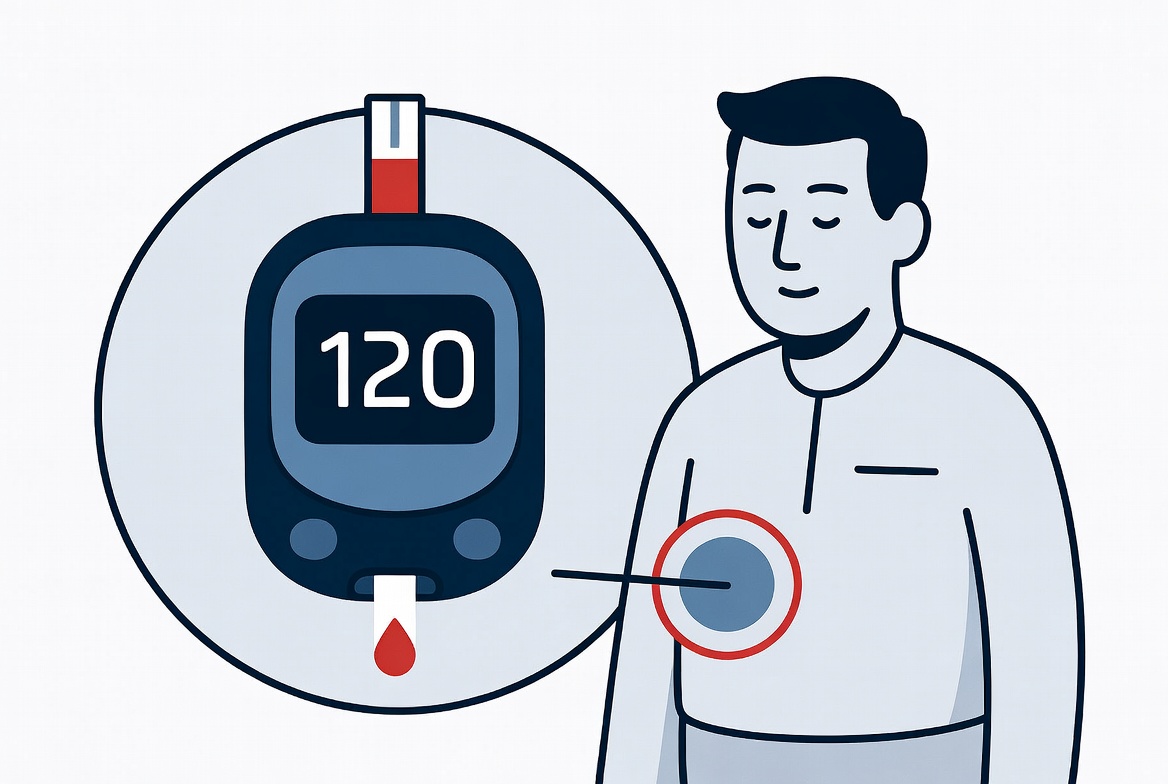
Diabetes mellitus - comprehensive management including glycaemic optimisation, newer medication classes, complications screening, and patient education. India's internists are well-versed in both insulin management and the newer SGLT2 inhibitors and GLP-1 agonists that reduce cardiovascular and kidney risk.
Thyroid disorders - hypothyroidism, hyperthyroidism, and nodule evaluation. A TSH test at an Indian hospital lab costs $5–15 and provides a definitive answer within hours.
Dyslipidaemia - statin therapy, lifestyle counselling, cardiovascular risk calculation.
Gastrointestinal Conditions
Peptic ulcer disease and GERD - endoscopy when indicated, H. pylori testing and eradication, proton pump inhibitor management.
Chronic liver disease - hepatitis B and C screening (both highly relevant to African patients), alcohol-related liver disease, NAFLD. Indian internists can arrange fibroscan (liver stiffness assessment), viral hepatitis treatment, and referral to hepatology for advanced disease.
Irritable bowel syndrome - low FODMAP dietary guidance, antispasmodics, psychological co-management.
Infectious Diseases
HIV/AIDS - antiretroviral therapy (ART) management, opportunistic infection prophylaxis, CD4 and viral load monitoring. India's AIDSmedicine infrastructure is well-developed and costs are low.
Viral hepatitis - hepatitis B treatment (tenofovir-based regimens), hepatitis C cure (direct-acting antiviral 8–12 week courses, now generic in India at very low cost). Cure rates for Hepatitis C exceed 95% with modern DAA regimens (New England Journal of Medicine, 2020).
Tropical infections - malaria, typhoid, brucellosis, amoebiasis, helminthiasis. Indian internists routinely manage tropical infections that may perplex internists in temperate countries.
Kidney Disease
Chronic kidney disease - GFR monitoring, blood pressure control, phosphate management, anaemia treatment, slowing progression with ACE inhibitors/ARBs and SGLT2 inhibitors. Nephrology referral for advanced CKD or when transplant planning is needed.
Urinary tract infections - appropriate antibiotic selection (India-specific antibiograms, as resistance patterns differ), recurrence investigation.
Rheumatological Conditions
Rheumatoid arthritis - disease activity assessment (DAS28), DMARD therapy (methotrexate, leflunomide), biologic agents when conventional therapy fails.
Systemic lupus erythematosus - organ involvement assessment, immunosuppressive management, hydroxychloroquine monitoring.
Haematological Conditions
Anaemia - common across Africa, often multifactorial (iron deficiency, malaria, haemoglobinopathy, chronic disease). India's internists rapidly work through causes with a logical blood test algorithm.
Sickle cell disease - India has its own sickle cell burden and specialist experience with hydroxyurea, stroke prevention, vaso-occlusive crisis management, and chelation for iron overload.
A significant proportion of African patients visiting India for specialist care have never had a comprehensive internal medicine review. Conditions are managed in silos - a cardiologist for blood pressure, a local clinic for diabetes - without anyone looking at the whole picture. An Indian internist who spends 45–60 minutes reviewing all medications, all conditions, all blood results together often identifies drug interactions, suboptimal regimens, and missed diagnoses that individual specialists overlook. This whole-person review is genuinely valuable.
What Does a General Physician Consultation Cost in India?
| Service | India (USD) | USA (USD) | UK (GBP) |
|---|---|---|---|
| General physician consultation (30–45 min) | $20–80 | $150–400 | £100–250 |
| Comprehensive metabolic blood panel | $40–120 | $200–600 | £100–300 |
| Chest X-ray | $15–40 | $200–500 | £100–250 |
| CT scan | $80–250 | $500–2,500 | £400–1,200 |
| MRI scan | $150–450 | $1,000–3,000 | £600–1,500 |
| Basic health screen package (consult + bloods + ECG + X-ray) | $150–350 | $1,000–2,500 | £500–1,000 |

The Health Check Package
Many African patients visit India specifically for a comprehensive health assessment - a thorough "once over" that includes doctor consultation, comprehensive blood work, imaging, and specialist reviews if needed. These packages are well-developed at major Indian hospitals:
Basic health screen: General physician consultation, CBC, metabolic panel, lipid profile, fasting glucose, thyroid function, urinalysis, ECG, chest X-ray. Total: $200–400. Completed in one day.
Comprehensive health assessment: Adds echocardiogram, ultrasound abdomen, spirometry, stress test, and specialist review. Total: $400–800. Completed in 1–2 days.
Executive health check (full): Includes cancer markers (PSA, CEA, CA-125 as appropriate), CT coronary calcium score, DEXA bone density, ophthalmology check, dental screen, and more. Total: $800–1,500. Completed in 2 days.


