

Internal Medicine in India: Complete Guide to Specialist Internal Care, Advanced Disease Management, and Comprehensive Adult Medical Care

Mental Health & Integrative Wellness Writer

TL;DR: Internal medicine consultation and diagnostics in India cost USD 30–150 for specialist visits and USD 200–600 for comprehensive workups - 75–85% below USA rates. Same-day diagnostic results (blood tests, X-ray, CT scan) are standard at major private hospitals. International patients use internal medicine for second opinions, health checks, and complex case management. (NABH, 2024)
More than 60% of premature deaths in sub-Saharan Africa are caused by non-communicable diseases - hypertension, diabetes, heart failure, and chronic kidney disease - yet most patients with complex multi-system conditions have no access to trained internists. (WHO Africa Region, 2022). India's internal medicine specialists are trained to manage exactly these conditions, at costs 75–85% below the USA, with same-day diagnostic turnaround and structured telemedicine follow-up for patients who return home. This guide explains what internal medicine in India involves and when it makes sense to seek it.
Understanding Internal Medicine
What is Internal Medicine?
Internal medicine is the specialty covering diagnosis, treatment, and management of diseases affecting the internal organs and systems of the adult body. India's internists hold an MBBS followed by a 3-year MD in Internal Medicine, then often a fellowship in a subspecialty (cardiology, gastroenterology, nephrology, pulmonology, or rheumatology). They are the specialists you go to for complex, multi-system disease - when you have diabetes and kidney disease and a heart condition simultaneously, and need someone who can manage all three at once.
Scope of Internal Medicine
Internal medicine encompasses:
Cardiovascular Diseases:
- Coronary artery disease and heart attacks
- Heart failure, hypertension, arrhythmias, valvular disease
- Peripheral vascular disease, stroke, and cerebrovascular disease
Respiratory Diseases:
- Pneumonia, COPD, asthma, pulmonary embolism
- Tuberculosis and mycobacterial infections
- Interstitial lung disease
Gastrointestinal Diseases:
- GERD, peptic ulcer, inflammatory bowel disease
- Hepatitis, cirrhosis, pancreatitis, biliary disorders
Metabolic and Endocrine Diseases:
- Diabetes mellitus (Type 1 and 2), thyroid disorders
- Adrenal and pituitary disorders, obesity, metabolic syndrome
Infectious Diseases:
- Bacterial infections and sepsis, viral infections, HIV
- Tuberculosis, fungal and parasitic infections
Renal Diseases:
- Chronic kidney disease, acute kidney injury, glomerulonephritis
- Electrolyte disorders, kidney stones
Hematologic Diseases:
- Anaemia and bleeding disorders, thrombotic conditions
- Lymphomas and leukaemias (initial assessment)
Rheumatologic Diseases:
- Rheumatoid arthritis, lupus, vasculitis, gout
Why Choose Internal Medicine in India?
How Do Costs Compare?
Internal medicine in India costs 75–85% less than in the USA. A specialist consultation costs USD 30–80 versus USD 150–400 in the USA. A comprehensive health evaluation - history, examination, blood panel, chest X-ray, ultrasound, ECG - runs USD 300–600 in India compared to USD 2,500–6,000 in the USA. (Medical Tourism Association, 2023).
Citation capsule: A comprehensive internal medicine evaluation in India costs USD 300–600 - versus USD 2,500–6,000 in the United States, according to the Medical Tourism Association (2023). India's major private hospitals deliver same-day blood results, CT scans, and specialist consultations. Patients with complex multi-system disease often receive more complete diagnostic workups in one India hospital visit than they would across multiple appointments at home.
Cost Comparison:
| Service | USA | UK | India |
|---|---|---|---|
| Specialist consultation | $150–400 | £100–300 | $30–80 |
| Comprehensive evaluation | $2,500–6,000 | £2,000–5,000 | $300–600 |
| Advanced diagnostic testing | $3,000–10,000 | £1,500–5,000 | $200–1,500 |
| Chronic disease management | $5,000–50,000 | £3,000–30,000 | $800–8,000 |
Highly Qualified Internists
India's internists hold MD degrees from recognised universities, often with international fellowship training in subspecialties - cardiology, gastroenterology, nephrology, pulmonology, rheumatology, or infectious diseases. They are trained to manage the kind of complex, multi-morbidity cases common in African patients with late-diagnosed or poorly controlled chronic disease. Most hold 10–30 years of clinical experience.
World-Class Diagnostic Facilities
India's internal medicine centres feature:
Diagnostic Equipment:
- Automated laboratory analysers (results in 4–8 hours)
- High-resolution CT and MRI imaging
- Ultrasound with Doppler, echocardiography
- Stress testing and pulmonary function testing
- Endoscopy (upper GI and colonoscopy)
- Molecular and genetic testing
Therapeutic Capabilities:
- Chemotherapy administration and advanced medication therapies
- Invasive procedures (bronchoscopy, liver biopsy, renal biopsy)
- Intensive care units with internist-led teams
- Rehabilitation and palliative care services
Comprehensive Internal Medicine Services
Acute Illness Management
Emergency and ICU Care:
- Stabilisation and resuscitation
- Haemodynamic and ventilator support
- Sepsis management and multi-organ failure support
- Advanced cardiac life support
Arodya Data
Chronic Disease Management
Cardiovascular Disease Management:
- Hypertension control with lifestyle and medication optimisation
- Coronary artery disease and heart failure management
- Arrhythmia control (medical and device therapy)
- Risk factor modification and preventive therapy
Respiratory Disease Management:
- COPD management with spirometry-guided therapy
- Asthma control and inhaler technique optimisation
- Pulmonary embolism treatment with anticoagulation
- Tuberculosis management using DOTS protocol
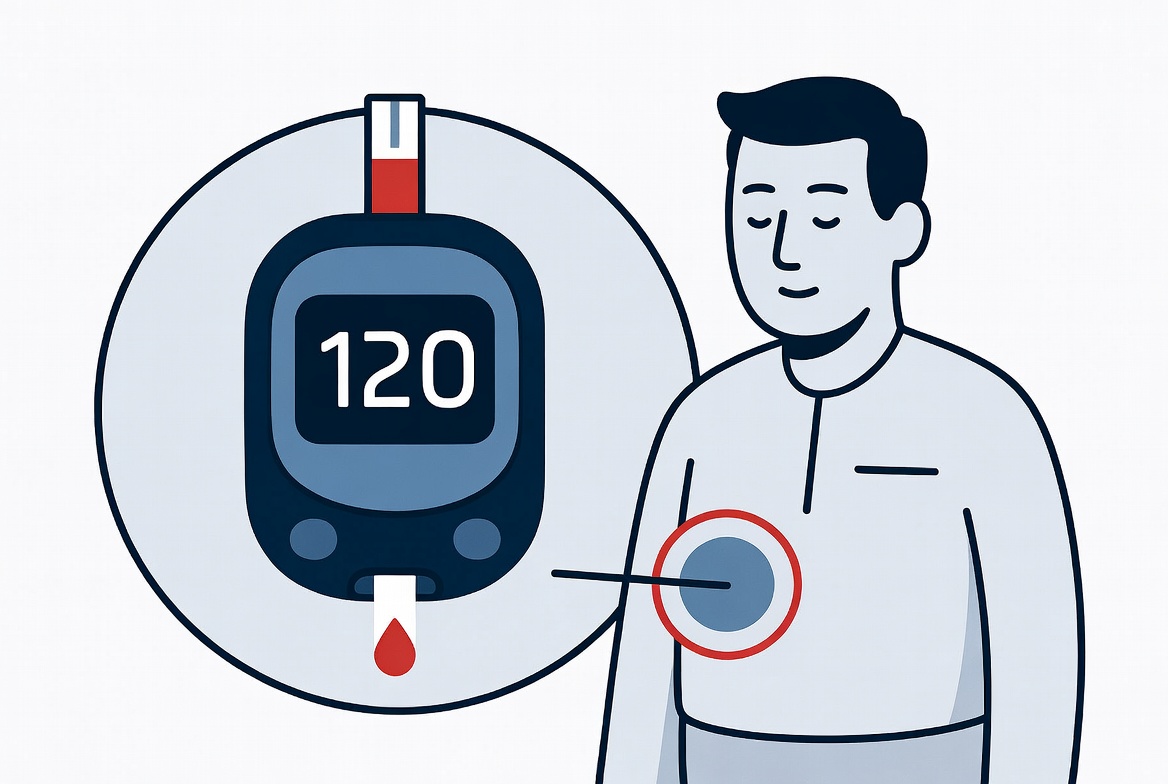
Diabetes and Metabolic Management:
- HbA1c monitoring and blood glucose optimisation
- Complication screening (kidneys, eyes, nerves, heart)
- Nutritional counselling and exercise prescription
- Medication adjustment for individual profiles
Renal Disease Management:
- eGFR monitoring and slowing progression
- Hypertension control for kidney protection
- Anaemia of chronic kidney disease management
- Dialysis and transplant planning
Infectious Disease Management:
- Antibiotic selection and monitoring
- HIV/AIDS management (antiretroviral therapy)
- Viral hepatitis treatment (hepatitis C: 95–98% cure rate with direct-acting antivirals)
- Opportunistic infection prevention
Advanced Diagnostic Procedures
Cardiovascular: ECG, echocardiography (TTE and TOE), stress testing, Holter monitoring, coronary angiography referral.
Pulmonary: HRCT chest, pulmonary function testing, bronchoscopy with BAL, pleural procedures.
Gastrointestinal: Upper endoscopy, colonoscopy with polypectomy, ERCP, liver biopsy, MRI abdomen.
Renal: Kidney ultrasound, renal biopsy, urinalysis with microscopy, 24-hour protein studies.
Haematologic: Bone marrow biopsy, flow cytometry, coagulation studies, genetic testing for blood disorders.
Preventive Medicine Services
Cancer Screening: Colorectal (colonoscopy), breast (coordination with radiology), prostate, lung (for smokers), hepatocellular carcinoma surveillance in cirrhosis.
Cardiovascular Prevention: Risk factor assessment, cholesterol management, diabetes prevention, smoking cessation programmes.
Infectious Disease Prevention: Vaccination programmes (hepatitis A and B, typhoid, flu), HIV and TB screening, travel medicine consultation.
Clinical Outcomes in Internal Medicine
Treatment Success Rates
Cardiovascular:
- Hypertension control (target achieved): 85–90%
- Acute coronary syndrome hospital survival: 95%+
- Hepatitis C cure rate: 95–98%
Respiratory:
- Pneumonia cure rate: 90–95%
- COPD exacerbation prevention (with optimised therapy): 80%+
- Tuberculosis treatment success: 85–95%
Metabolic:
- Diabetes glycaemic control (HbA1c at target): 75–85%
- Lipid goal achievement: 85–90%
- Blood pressure target achievement: 80–90%
Infectious:
- HIV viral suppression: 95%+ with first-line ART
- Bacterial infection cure: 90–95%
Safety and Quality Metrics
- Diagnostic accuracy: greater than 95%
- Treatment complication rates: less than 5%
- Hospital-acquired infection prevention: greater than 98%
- Patient satisfaction: 90–95%


