

Diabetology and Endocrinology in India: Expert Metabolic Care for African Patients

Mental Health & Integrative Wellness Writer

TL;DR: Comprehensive diabetes and endocrinology care in India costs USD 200–600 for full diagnostics and specialist consultation - 70–80% less than the USA. Advanced tests (continuous glucose monitoring, HbA1c, thyroid panel, adrenal function) are available same-day. India has specialised metabolic surgery programmes for diabetic patients with BMI ≥32.
Sub-Saharan Africa is experiencing a diabetes epidemic. The International Diabetes Federation estimates that 24 million adults in Africa currently have diabetes - and 70% remain undiagnosed (IDF Atlas 10th Edition, 2021). When African patients do seek specialist endocrinology care, they often find limited local expertise, unavailable tests, and unaffordable insulin analogues. India's specialist diabetes and endocrinology departments offer a genuine upgrade: advanced diagnostics, newer medications, and comprehensive complication management at costs far below Western levels.
chronic disease management India
What Is Diabetology and Endocrinology?
Diabetology focuses specifically on diabetes - its diagnosis, type classification, medication management, technology (continuous glucose monitoring, insulin pumps), and prevention of the serious complications that make diabetes life-shortening. Endocrinology is the broader field covering all hormonal disorders: thyroid, pituitary, adrenal, parathyroid, reproductive hormones, metabolic bone disease, and metabolic syndrome.
In India, these two specialties are closely linked. Major hospitals have dedicated diabetes and endocrinology departments with specialists holding DM (Doctorate in Medicine) in Endocrinology - a 3-year subspecialty training after the postgraduate MD.
Citation capsule: The International Diabetes Federation estimates that Africa will see a 134% increase in diabetes prevalence by 2045, from 24 million to 55 million adults. India, by contrast, has invested heavily in diabetes care infrastructure - producing over 2,000 DM-trained endocrinologists - making it a logical centre for African patients seeking specialist management (IDF Atlas 10th Edition, 2021).
Why Do African Patients Seek Diabetes and Endocrine Care in India?
Several factors make Indian endocrinology services particularly relevant to African patients:
Access to newer medications that may be unavailable in home countries - GLP-1 receptor agonists (semaglutide, liraglutide), SGLT2 inhibitors (dapagliflozin, empagliflozin), and continuous glucose monitoring systems are standard at major Indian diabetes centres. These drug classes reduce cardiovascular and kidney disease risk beyond blood sugar lowering alone.
Advanced diagnostics available quickly and cheaply: HbA1c, fasting insulin, C-peptide, full thyroid panel (TSH, FT4, FT3, anti-TPO antibodies), adrenal function tests, pituitary hormones, bone density (DEXA) - all available same-day at major hospital labs.
Diabetes complications assessment using state-of-the-art tools: retinal photography and OCT for diabetic eye disease, nerve conduction studies for neuropathy, kidney function panels and urine albumin:creatinine ratios for nephropathy, ankle-brachial indices and arterial Doppler for vascular disease.
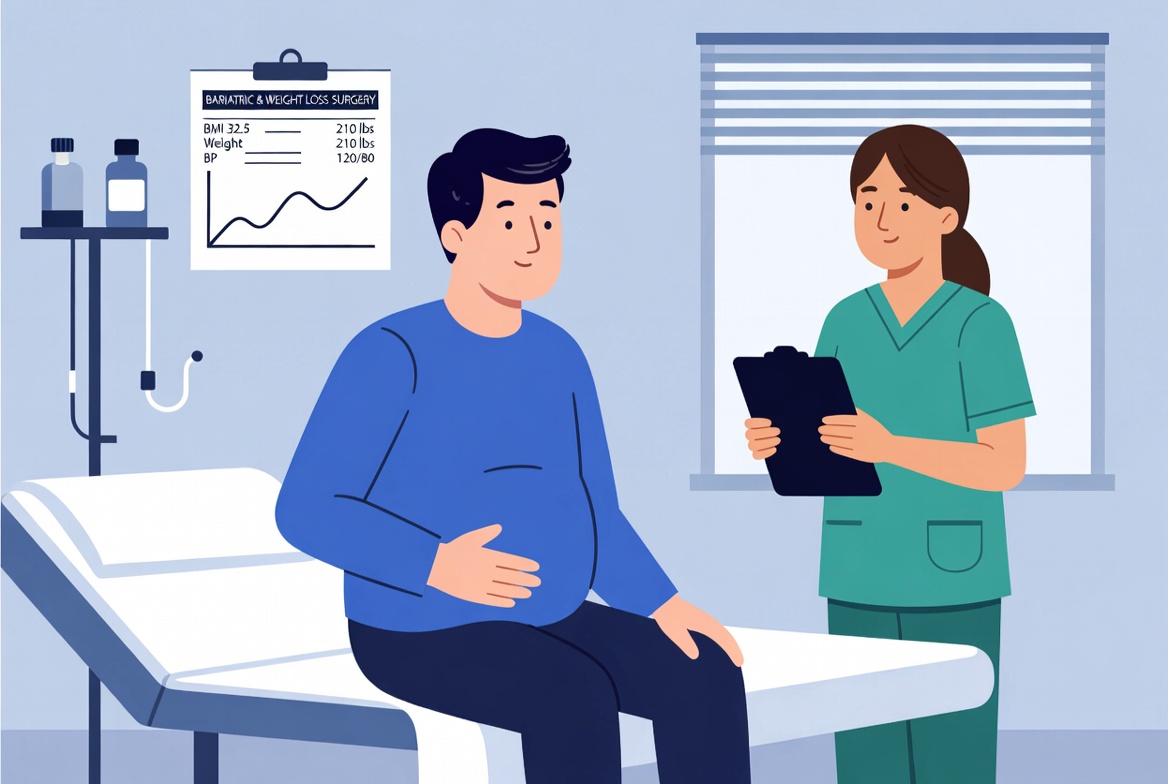
Metabolic surgery (bariatric surgery for diabetes) for patients with BMI ≥32 and poorly controlled Type 2 diabetes - available at major centres in Delhi, Mumbai, and Chennai at a fraction of Western costs.
Telemedicine follow-up enabling long-term relationships with Indian endocrinologists without requiring repeat travel.
Diabetes Management in India
Type 1 Diabetes
Type 1 requires lifelong insulin therapy. India's endocrinologists are experienced with insulin initiation, modern analogue regimens (basal-bolus with rapid-acting analogues), continuous glucose monitoring (CGM) integration, and insulin pump (CSII) therapy. CGM devices like the Libre and Dexcom are available in India at lower cost than in the UK or USA.
For patients with poorly controlled Type 1 on conventional insulin, a structured review by an Indian endocrinologist - covering injection technique, carbohydrate counting, hypoglycaemia management, and CGM interpretation - can genuinely transform control.
Type 2 Diabetes
The paradigm for Type 2 management has changed dramatically in the past decade. Older guidelines prioritised blood sugar targets almost exclusively. Current evidence shows that GLP-1 agonists and SGLT2 inhibitors reduce cardiovascular deaths, heart failure hospitalisation, and kidney disease progression independently of their glucose-lowering effects (NEJM, 2019).
Indian endocrinologists at major centres routinely prescribe these agents. Many African patients visiting India for diabetes review leave with structured medication regimens including these evidence-based agents - and guidance on how to access them at home.
Gestational Diabetes
Gestational diabetes screening and management prevents macrosomia, birth complications, and long-term metabolic risk to the child. India's obstetric endocrinology services manage glucose targets in pregnancy, insulin initiation when needed, and postpartum follow-up to detect progression to Type 2 diabetes.
Endocrinology: Hormonal Conditions Treated in India
Thyroid Disease
Thyroid disorders - hypothyroidism, hyperthyroidism, thyroid nodules, thyroid cancer - are among the most commonly diagnosed endocrine conditions in Africa and worldwide. India's thyroid services offer:
- Comprehensive thyroid function testing (TSH, FT4, FT3, anti-TPO, anti-thyroglobulin)
- Thyroid ultrasound and FNAC (fine needle aspiration cytology) for nodule evaluation
- Radioactive iodine therapy for hyperthyroidism and thyroid cancer surveillance
- Coordination with endocrine surgery for thyroidectomy
Untreated hypothyroidism causes fatigue, weight gain, infertility, and cardiovascular risk. A straightforward thyroid function test and levothyroxine prescription can transform a patient's quality of life. India's endocrinology outpatient services can complete this assessment in a single visit.
Pituitary Disorders
Pituitary tumours, growth hormone deficiency, prolactinomas, and Cushing's disease require sophisticated hormonal testing and MRI imaging that is often unavailable in Africa. India's pituitary centres at AIIMS, PGI, and major private hospitals provide complete pituitary axis evaluation and management, including coordination with neurosurgery for tumours requiring operation.
Adrenal Disorders
Adrenal insufficiency, Cushing's syndrome, phaeochromocytoma, and primary aldosteronism each require specific hormonal testing - 24-hour urinary metanephrines, overnight dexamethasone suppression test, aldosterone-to-renin ratio, synacthen stimulation test. These tests are available same-day at major Indian hospital laboratories.
Bone Disease
Osteoporosis affects millions of African women, particularly post-menopausal, but DEXA scanning for bone density measurement is often inaccessible locally. India's endocrinology services offer bone density scanning, vitamin D and parathyroid evaluation, and anti-osteoporosis treatment including bisphosphonates and newer agents.
One finding that consistently surprises African patients visiting Indian endocrinologists is the discovery of undiagnosed hypothyroidism. African primary care systems often lack TSH testing in their routine workups. A significant proportion of patients who present with fatigue, weight gain, low mood, or menstrual irregularity turn out to have easily treatable hypothyroidism. A simple thyroid function test at an Indian lab ($15–25) answers the question definitively.
What Does Endocrinology Care Cost in India?
| Service | India (USD) | USA (USD) |
|---|---|---|
| Specialist consultation (new patient) | $40–100 | $200–500 |
| HbA1c test | $5–15 | $40–100 |
| Full thyroid panel (TSH, FT4, FT3, antibodies) | $25–60 | $150–300 |
| Adrenal function tests panel | $80–150 | $400–800 |
| Pituitary hormone panel | $100–200 | $500–1,000 |
| DEXA scan (bone density) | $40–80 | $200–400 |
| Comprehensive diabetes review package | $200–400 | $1,000–2,500 |


