

Metabolic Surgery in India: Complete Guide to Weight Loss and Metabolic Disease Treatment

Surgical Specialties & Women's Health Writer

TL;DR: Bariatric (metabolic) surgery in India costs USD 5,000–9,000 for sleeve gastrectomy or gastric bypass - 65–70% less than the USA (USD 15,000–25,000). India is Asia's largest bariatric surgery market, with 30,000+ procedures annually. Surgery resolves Type 2 diabetes in 60–80% of patients within 12 months. Hospital stay: 3–4 days. (IFSO, 2023)
Type 2 diabetes affects 77 million people in India - the world's second-largest diabetic population - and obesity-related metabolic disease is rising sharply across sub-Saharan Africa. (IDF Diabetes Atlas, 2022). Bariatric surgery achieves Type 2 diabetes remission in 60–80% of patients within 12 months - an outcome no medication can match. India performs 30,000+ bariatric procedures annually at USD 5,000–9,000, with complication rates below 2% at accredited centres. This guide explains who benefits, which procedure is right for which patient, and what outcomes to expect.
Understanding Metabolic Surgery
What Is Metabolic Surgery?
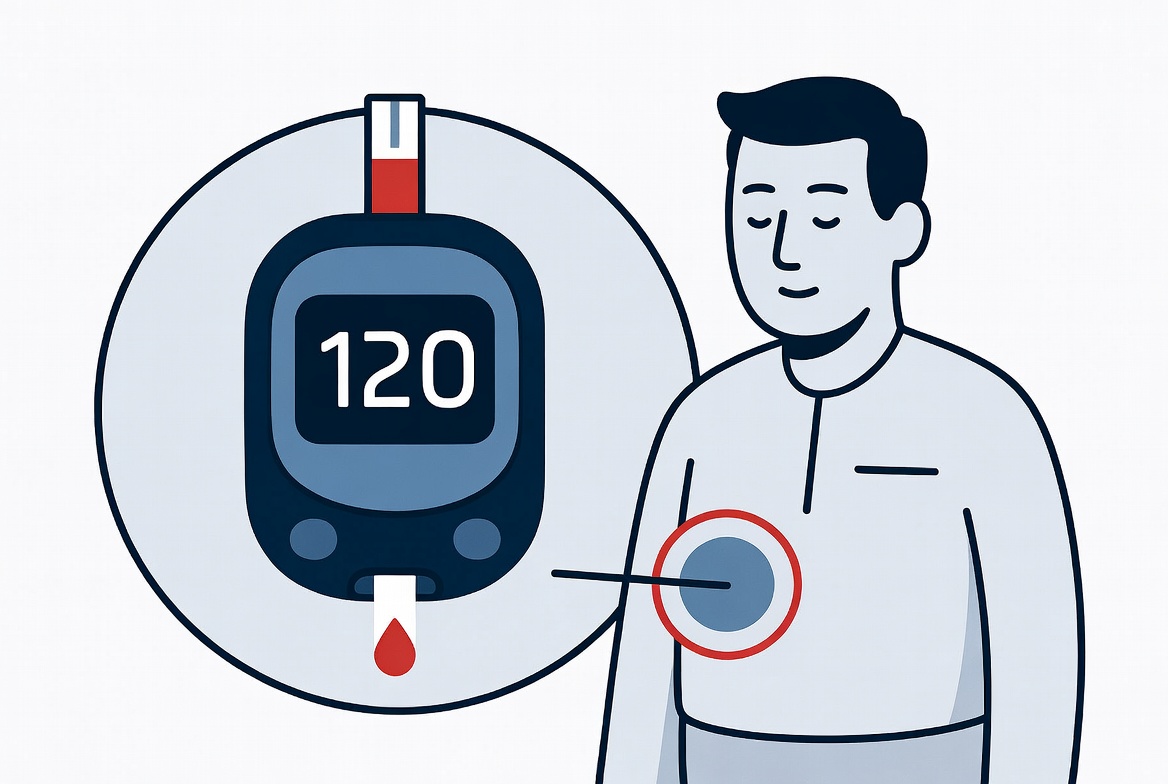
Metabolic surgery - also called bariatric surgery - alters the digestive tract to produce significant, sustained weight loss and dramatic improvements in obesity-related metabolic diseases. The term "metabolic" reflects that the primary benefit extends beyond weight loss: surgery produces hormonal changes that improve insulin sensitivity independently of weight loss, which is why Type 2 diabetes often remits within days of gastric bypass surgery - long before major weight loss occurs.
India's bariatric surgeons hold an MS in General Surgery and a fellowship in advanced laparoscopic and bariatric surgery. Most leading centres use laparoscopic (keyhole) techniques with 3–5 small incisions, resulting in a 3–4 day hospital stay and return to normal activity within 2–3 weeks.
Common Conditions Treated
OBESITY:
- Class II obesity (BMI 35–39.9 kg/m²) with metabolic complications
- Class III/severe obesity (BMI ≥40 kg/m²)
- Obesity with Type 2 diabetes - surgery indicated at BMI ≥32.5 for Asian patients
METABOLIC DISEASES:
- Type 2 diabetes mellitus - primary indication in Asian populations
- Metabolic syndrome
- Non-alcoholic fatty liver disease (NAFLD) and NASH
- Obstructive sleep apnea
- Hypertension related to obesity
- Dyslipidaemia
OBESITY-RELATED COMPLICATIONS:
- Joint disease limiting mobility - knee and hip osteoarthritis
- Cardiovascular disease risk reduction
- Polycystic ovarian syndrome (PCOS) and infertility
Why Choose Metabolic Surgery in India?
How Do Costs Compare?
Bariatric surgery in India costs 65–75% less than in Western countries, with comparable outcomes. (Medical Tourism Association, 2023). India's 30,000+ annual procedures also make Indian bariatric surgeons among the highest-volume in the world - volume that directly correlates with lower complication rates.
Citation capsule: Sleeve gastrectomy costs USD 5,000–9,000 in India - versus USD 15,000–25,000 in the United States, according to the Medical Tourism Association (2023). India performs 30,000+ bariatric procedures annually, according to the International Federation for the Surgery of Obesity (IFSO, 2023). High surgical volume at leading Indian centres is associated with leak rates below 0.5% - below the global average of 1–2%.
Cost Comparison:
| Procedure | USA | UK | India |
|---|---|---|---|
| Sleeve gastrectomy | $15,000–25,000 | £10,000–18,000 | $4,000–7,000 |
| Gastric bypass (RYGB) | $20,000–35,000 | £12,000–22,000 | $5,000–9,000 |
| Mini gastric bypass (OAGB) | $18,000–30,000 | £10,000–20,000 | $4,500–8,000 |
| Duodenal switch | $25,000–50,000 | £15,000–30,000 | $7,000–12,000 |
| Revision bariatric surgery | $20,000–40,000 | £15,000–30,000 | $6,000–12,000 |

World-Class Bariatric Surgery Centres
India's leading bariatric programmes operate at Apollo, Fortis, Max, and Medanta. These centres feature:
Surgical Equipment:
- 4K and 3D laparoscopic imaging systems
- High-frequency energy devices (LigaSure, Harmonic)
- Robotic-assisted surgery (da Vinci) at select centres
- Advanced stapling technology
- Intraoperative leak testing equipment
Pre- and Post-Operative Support:
- Bariatric dietitians and behaviour change counsellors
- Pre-operative optimisation (liver-shrinking diet, weight loss target before surgery)
- Multidisciplinary team: surgeon, endocrinologist, cardiologist, dietitian, psychologist
Accreditation: JCI, NABH, IFSO (International Federation for the Surgery of Obesity) centre of excellence designation at several Indian centres.
Comprehensive Metabolic Surgery Services
Pre-Operative Evaluation
Clinical Assessment:
- Detailed obesity history, weight loss attempts, current medications
- BMI calculation, body composition analysis
- Cardiovascular risk assessment
- Diabetes status: HbA1c, fasting glucose, insulin levels, C-peptide
- Sleep study (if sleep apnea suspected)
- Psychological assessment - motivation, eating behaviour, psychological readiness
Laboratory Testing:
- Complete blood count, liver function, kidney function, thyroid
- Lipid profile, HbA1c, vitamin B12, iron studies, vitamin D
- Coagulation profile
Imaging:
- Chest X-ray, ECG
- Abdominal ultrasound - assess fatty liver, gallstones
- Upper GI endoscopy - exclude H. pylori, oesophageal pathology
- Cardiac evaluation if indicated
Surgical Procedures
Sleeve Gastrectomy (Laparoscopic Sleeve Gastrectomy - LSG):
80% of the stomach is removed, creating a tube-shaped stomach. Hunger hormone (ghrelin) production drops dramatically. Operative time: 30–60 minutes. Hospital stay: 2–3 days.
- Excess weight loss: 50–70%
- Diabetes remission: 60–80%
- Hypertension improvement: 50–70%
- Sleep apnea improvement: 80–90%
Roux-en-Y Gastric Bypass (RYGB):
A small stomach pouch is created, and the small intestine is rerouted to connect directly to it - bypassing the lower stomach and first section of the small intestine. Produces both restriction and hormonal changes. Operative time: 60–90 minutes. Hospital stay: 3–4 days.
- Excess weight loss: 65–80%
- Diabetes remission: 80–90%
- Sleep apnea improvement: 90%+
- Best long-term evidence (20+ year data)
One Anastomosis Gastric Bypass (OAGB / Mini Bypass):
A simpler version of bypass with one intestinal connection rather than two. Similar metabolic outcomes to RYGB with shorter operative time. Increasingly popular at Indian centres.
Duodenal Switch (BPD-DS / SADI-S):
Maximum weight loss and metabolic effect - combines sleeve gastrectomy with significant intestinal bypass. Reserved for super-obesity (BMI ≥50) or severe metabolic disease. Requires lifelong vitamin and mineral supplementation.
- Excess weight loss: 75–85%
- Diabetes remission: 90–95%
- Complication rate: higher than sleeve or bypass - requires experienced centre
Revision Surgery:
Conversion of failed sleeve to bypass, band removal and conversion, or repair of complications from prior bariatric surgery. India has strong revision expertise - important for patients who had procedures elsewhere and need correction.
Post-Operative Management
Hospital (Days 1–4): Clear liquids, mobilisation by day 1, drain removal, thromboembolism prophylaxis. Most patients walk to the toilet independently by day 2.
First Month: Liquid diet → purée → soft foods progression. Daily protein target: 60–80g. Vitamin and mineral supplementation begins immediately (multivitamin, calcium, vitamin D, iron, B12).
Long-term (Lifelong): Annual blood tests to monitor vitamin levels, complete blood count, iron, B12, vitamin D, calcium. Protein intake monitoring. Weight and metabolic disease follow-up. Patients who have bypass or duodenal switch have higher supplementation needs - non-negotiable for life.
Arodya Data
Clinical Outcomes
Weight Loss and Metabolic Outcomes
| Outcome | Sleeve Gastrectomy | Gastric Bypass | Duodenal Switch |
|---|---|---|---|
| Excess weight loss | 50–70% | 65–80% | 75–85% |
| Diabetes remission | 60–80% | 80–90% | 90–95% |
| Hypertension improvement | 50–70% | 60–80% | 70–85% |
| Sleep apnea improvement | 80–90% | 85–95% | 90–95% |
| Cholesterol improvement | 60–75% | 70–80% | 80–90% |
Safety Profile at Indian Centres
- Staple line leak: less than 0.5–1% at high-volume centres
- Bleeding: 0.5–1%
- Thromboembolism: 0.1–0.3% (with prophylaxis)
- 30-day mortality: 0.1–0.3%
- Overall serious complication rate: 1–3% at NABH-accredited centres
These rates are consistent with IFSO registry data from high-income countries, confirming that surgical safety is volume-dependent - not income-level dependent.
Quality of Life Outcomes
Weight loss of 50–70% of excess body weight produces substantial and measurable improvements. Most patients report walking further, sleeping better, reducing or stopping diabetes medications, and returning to activities they had abandoned. PCOS-related infertility improves significantly - bariatric surgery is now recognised as a valid fertility intervention for obese women with PCOS. (Royal College of Obstetricians and Gynaecologists, 2023)
: The case for bariatric surgery in African patients with Type 2 diabetes is actually stronger than in Western populations, for an underappreciated reason. South Asian and sub-Saharan African populations develop metabolic disease at lower BMI thresholds than Europeans - and the diabetes remission rates from surgery in Asian populations at BMI 30–35 are similar to those in Western populations at BMI 40+. India's bariatric surgeons are among the world leaders in low-BMI metabolic surgery precisely because of this pattern in their own patient population.


