

General and Laparoscopic Surgery in India: Complete Guide to Minimally Invasive Surgical Procedures, Advanced General Surgery, and Expert Surgical Care

Surgical Specialties & Women's Health Writer

TL;DR: Laparoscopic (keyhole) surgery in India costs USD 1,500–5,000 for common procedures (gallbladder, hernia, appendix) - 70–80% less than the USA. India's laparoscopic surgeons perform 100,000+ minimally invasive procedures annually (Indian Association of Gastrointestinal Endo Surgeons, 2024). Hospital stay: 1–3 days. International patients fly home within 7–10 days of surgery.
Gallstones causing severe abdominal pain. A hernia that has grown too uncomfortable to ignore. A recurrent appendicitis finally requiring definitive treatment. These are not exotic conditions - they're common surgical problems that millions of African patients live with untreated because surgery at home is either unavailable or unaffordable. India's general and laparoscopic surgery services address exactly this gap: high-quality, minimally invasive surgery at prices that make treatment possible.
What Is Laparoscopic Surgery?
Laparoscopic surgery - also called keyhole or minimally invasive surgery - uses a small camera (laparoscope) and long, thin instruments inserted through tiny incisions (5–15 mm). The surgeon operates while watching a magnified high-definition view on a monitor. The abdomen is inflated with carbon dioxide gas to create working space.
Compare this to open surgery, where the incision spans 10–20 cm and requires weeks of recovery. With laparoscopic approaches:
- Hospital stays run 1–3 days instead of 5–7 days
- Patients return to normal activities in 1–2 weeks instead of 4–6 weeks
- Pain is substantially less
- Wound complications and infections are rarer
- Scarring is minimal
India's laparoscopic surgeons perform over 100,000 minimally invasive procedures annually at accredited centres (Indian Association of Gastrointestinal Endo Surgeons, 2024). The expertise is genuine.
Citation capsule: The Indian Association of Gastrointestinal Endo Surgeons reports that laparoscopic cholecystectomy (gallbladder removal) is now the most common elective surgery performed in India, with success rates of 95–98% and conversion to open surgery in under 3% of cases at experienced centres (IAGES, 2024).
Common Laparoscopic Procedures
Laparoscopic Cholecystectomy (Gallbladder Removal)
Gallstones causing biliary colic, cholecystitis, or pancreatitis are removed along with the gallbladder. This is the most common elective laparoscopic procedure in the world. Four small incisions, 45–60 minutes of operating time, and same-day discharge or one overnight stay. Most patients return home within a week.
Outcomes at Indian centres:
- Success rate: 95–98%
- Conversion to open surgery: 2–3% (usually due to severe inflammation)
- Hospital stay: same-day to 1 night
- Return to normal activities: 1–2 weeks
Laparoscopic Appendectomy
Acute appendicitis requires removal of the inflamed appendix. The laparoscopic approach offers faster recovery and lower wound infection rates than open surgery. Most patients are discharged within 1–2 days. Cost in India: $2,000–4,000.
Laparoscopic Hernia Repair
Inguinal hernia - a weakness in the lower abdominal wall allowing abdominal contents to bulge through - is repaired using a mesh inserted through tiny ports (TEP - totally extraperitoneal technique). Both sides can be repaired at the same time. Recurrence rates are 2–5%, compared to 10–15% for open mesh repair. Cost: $2,000–4,500.
Incisional and ventral hernia repair places mesh inside or outside the abdominal cavity to reinforce the defect. IPOM (intraperitoneal onlay mesh) is standard for laparoscopic ventral hernia repair.
Umbilical hernia - repaired laparoscopically or through a small open incision depending on size and patient factors.
Laparoscopic Fundoplication (GERD Surgery)
Gastro-oesophageal reflux disease (GERD) that doesn't respond adequately to proton pump inhibitors, or hiatal hernia causing significant reflux, can be treated surgically. Nissen fundoplication wraps the upper stomach around the lower oesophagus, mechanically preventing reflux. Results are good: 90–95% of patients achieve symptom relief; 80–90% come off daily medication entirely.
Bariatric Surgery
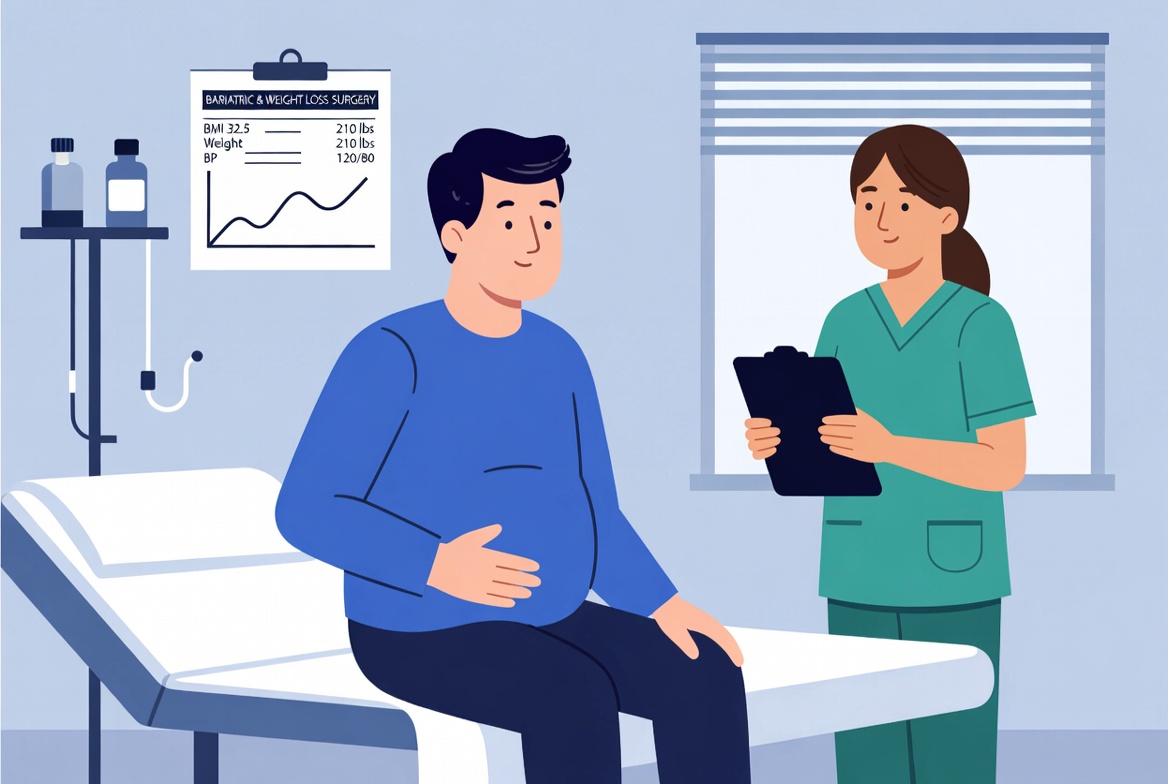
Laparoscopic bariatric surgery for obesity and Type 2 diabetes is one of India's major medical tourism draws. Three to four small incisions. Hospital stay 2–3 days.
Laparoscopic sleeve gastrectomy removes approximately 80% of the stomach, creating a narrow sleeve. Weight loss: 50–70% of excess body weight. Diabetes remission: 50–60%.
Laparoscopic Roux-en-Y gastric bypass creates a small stomach pouch and reroutes the intestine. Weight loss: 60–80% of excess weight. Diabetes remission: 70–80% in appropriate patients. This is the more powerful metabolic operation for Type 2 diabetes with moderate BMI.
Cost comparison for sleeve gastrectomy:
| Country | Cost (USD) |
|---|---|
| India | $4,000–8,000 |
| USA | $20,000–35,000 |
| UK | £10,000–15,000 |
| Thailand | $8,000–12,000 |
Laparoscopic Colorectal Surgery
Colon cancer, inflammatory bowel disease, diverticular disease, and other colorectal conditions are managed laparoscopically at major Indian surgical centres. Laparoscopic colectomy achieves equivalent oncological outcomes to open surgery while reducing hospital stay to 3–5 days and recovery to 3–4 weeks.
Laparoscopic Gynaecological Surgery
Hysterectomy, myomectomy (fibroid removal), endometriosis surgery, ovarian cystectomy, and tubal ligation are all performed laparoscopically at major hospitals. These procedures fall at the intersection of general surgery and gynaecology, handled by specialist gynaecological surgeons at dedicated women's health units.
Emergency General Surgery
India's major hospitals provide 24/7 emergency surgical cover. Acute appendicitis, perforated peptic ulcer, bowel obstruction, and trauma are managed with the same laparoscopic-first approach as elective cases where feasible - reducing recovery time even in emergency contexts.
A pattern we've observed with African surgical patients is that conditions that could have been treated electively (symptomatic gallstones, growing hernias) present at Indian hospitals in a more advanced state because patients delayed treatment due to cost or access. This matters surgically: an elective cholecystectomy for gallstones costs half what emergency management of acute cholecystitis costs, carries much lower risk, and allows the patient to prepare for surgery properly. If you have a known surgical condition, addressing it electively makes both medical and financial sense.
Cost Comparison
| Procedure | India (USD) | USA (USD) |
|---|---|---|
| Laparoscopic cholecystectomy | $2,500–5,000 | $15,000–30,000 |
| Laparoscopic appendectomy | $2,000–4,000 | $10,000–20,000 |
| Laparoscopic inguinal hernia repair | $2,000–4,500 | $10,000–20,000 |
| Laparoscopic fundoplication (GERD) | $3,000–6,000 | $15,000–30,000 |
| Sleeve gastrectomy | $4,000–8,000 | $20,000–35,000 |
| Gastric bypass | $5,000–9,000 | $25,000–45,000 |
| Laparoscopic colectomy | $4,000–9,000 | $25,000–50,000 |


