World Menstrual Hygiene Day 2026: Fibroid & Endometriosis Treatment in India

Priya Sharma
Oncology & Cancer Care Writer
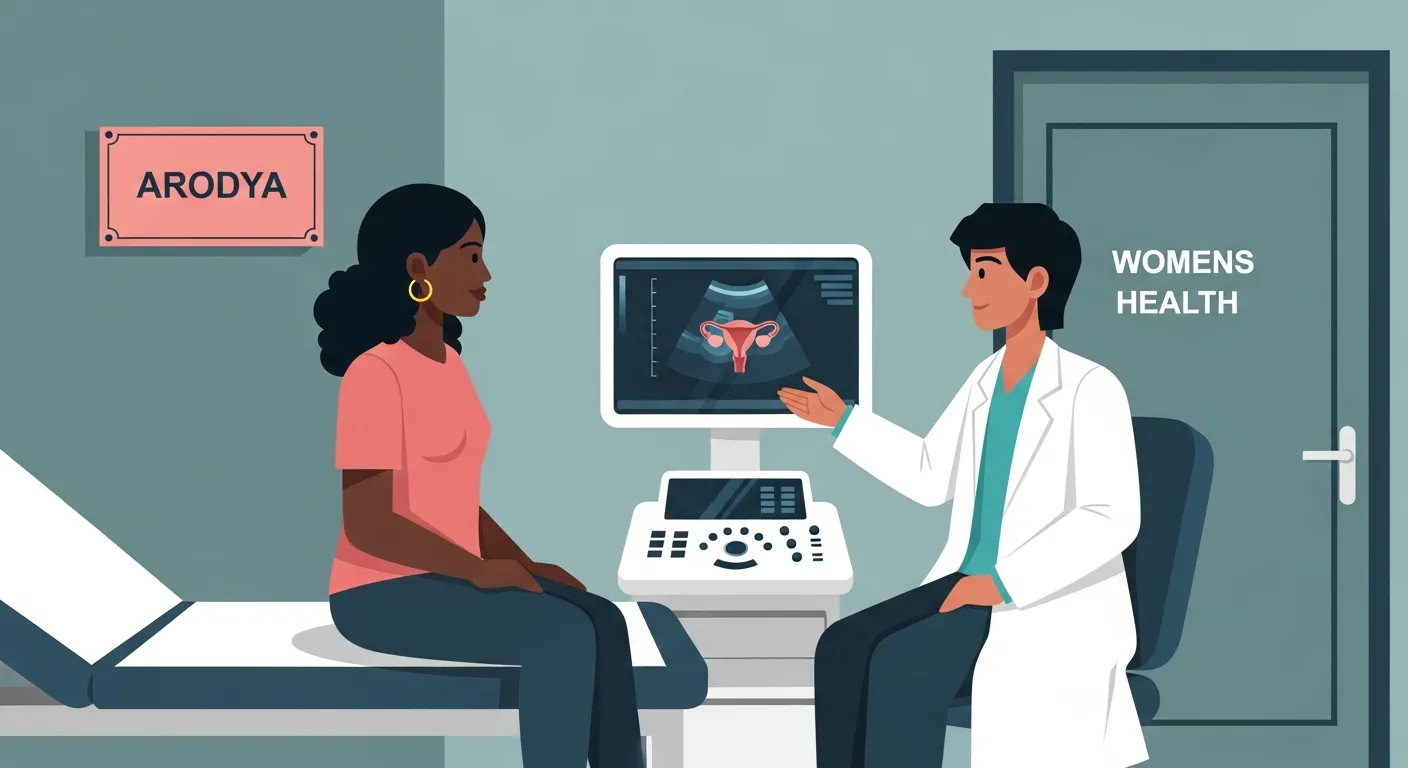
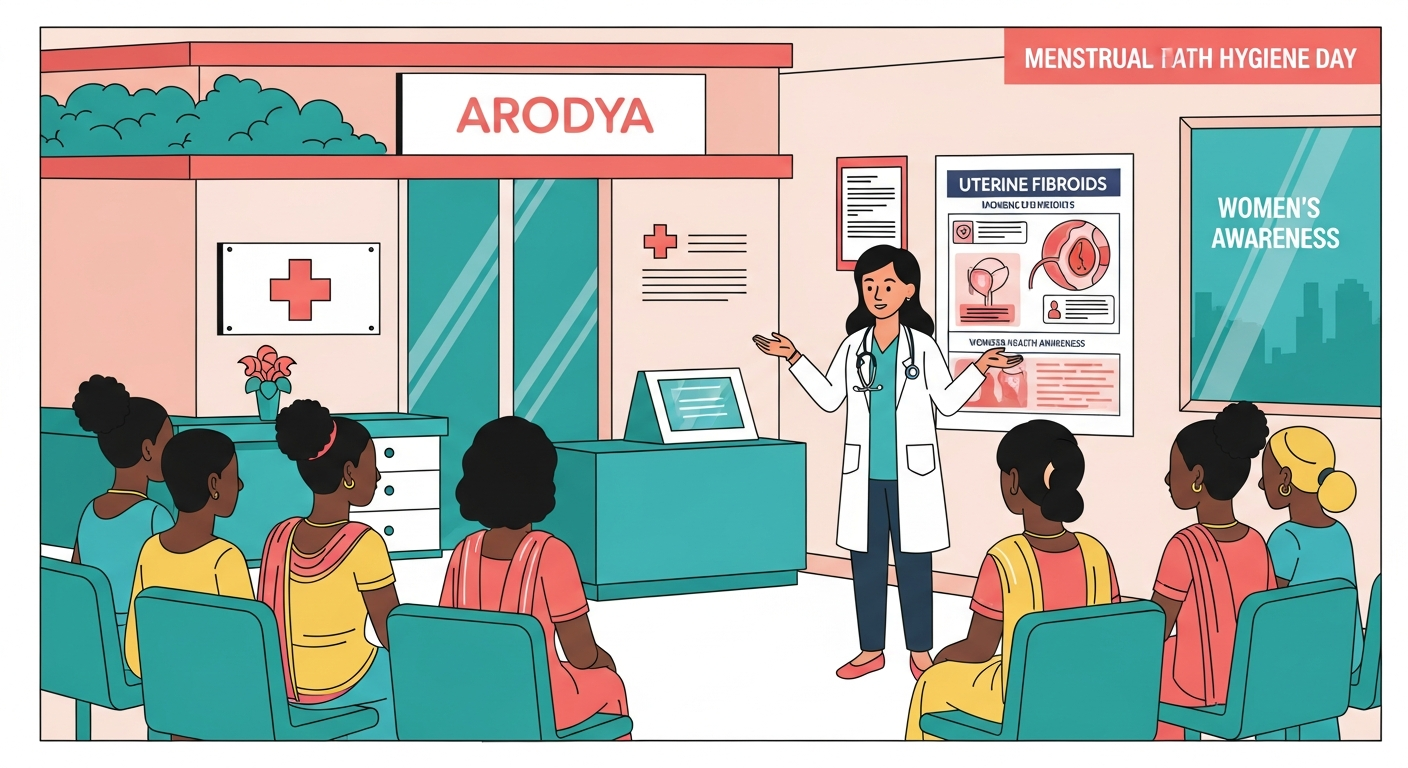
Every year on May 28, the world pauses to acknowledge a reality that affects half of humanity — menstruation. World Menstrual Hygiene Day 2026 carries a particularly urgent message for sub-Saharan Africa, where uterine fibroids and endometriosis remain among the leading causes of abnormal menstrual bleeding, chronic pelvic pain, and preventable infertility. For millions of African women, these conditions are not merely uncomfortable — they are life-altering, career-disrupting, and fertility-threatening. India's women's health surgery centres are offering a transformative solution.
The Menstrual Health Crisis in Africa
Research from the African Journal of Reproductive Health estimates that up to 50% of African women will develop uterine fibroids by the age of 50. For women of West African descent, the burden is even higher — fibroids appear earlier, grow larger, and produce more severe symptoms than in other populations. Endometriosis, a condition where uterine tissue grows outside the uterus, affects an estimated 10–15% of women of reproductive age across the continent.
The consequences extend well beyond discomfort. Heavy menstrual bleeding from fibroids causes iron-deficiency anaemia, with women losing so much blood monthly that energy levels, concentration, and work capacity suffer. Endometriosis causes cyclical and chronic pelvic pain that forces many women to miss work or school for several days each month. Infertility from both conditions frustrates family planning and carries significant personal and social weight in cultures where motherhood is central to women's identity.
Healthcare access in much of Africa cannot meet this demand. Specialist gynaecologists are concentrated in capital cities. Advanced surgical equipment — laparoscopes, hysteroscopes, endoscopy towers — is limited to a small number of hospitals. Waiting lists are long and costs prohibitive at private facilities. The result is a population of women suffering in silence or relying on inadequate medical management that controls symptoms without addressing underlying pathology.
Why Indian Women's Health Surgery is the Answer
India has built one of the world's most capable and accessible gynaecological surgery ecosystems. Across hospitals in Delhi, Mumbai, Chennai, Hyderabad, Bangalore, and Pune, hundreds of specialist gynaecologists perform minimally invasive fibroid and endometriosis surgery daily. The country's combination of surgical volume, training quality, and cost structure is unmatched globally.
For African women specifically, India offers several advantages. Gynaecologists at major Indian hospitals see high volumes of patients from West and East Africa and understand the characteristics of fibroids common to women of African descent — specifically the tendency for multiple, large fibroids requiring careful myomectomy planning. Cultural sensitivity and respectful care are standard at India's international patient departments.
Surgical Options for Uterine Fibroids
Hysteroscopy for Submucosal Fibroids
Fibroids that project into the uterine cavity (submucosal fibroids) are the most directly responsible for heavy bleeding and implantation failure. Hysteroscopic myomectomy — performed through the cervix with no abdominal incisions — removes these fibroids while completely preserving uterine integrity. The procedure is done under general or regional anaesthesia, takes 30–90 minutes, and most patients go home the same day or after one night. Recovery is 3–5 days.
This is a transformative approach for women with abnormal uterine bleeding who wish to conceive. Following hysteroscopic myomectomy, menstrual bleeding normalises within 1–2 cycles, and uterine receptivity for embryo implantation improves significantly.
Laparoscopic Myomectomy
For intramural and subserosal fibroids — those within or on the outer surface of the uterine wall — laparoscopic myomectomy is the preferred minimally invasive approach. Small abdominal incisions allow passage of instruments and a camera; fibroids are excised and removed in pieces through the incisions. Hospital stay is 2–3 days, and patients typically resume normal activities within 2 weeks.
India's laparoscopic gynaecological surgeons handle fibroids ranging from small (2–3 cm) to very large (15–20 cm), and can address multiple fibroids in a single operation. Pregnancy rates following laparoscopic myomectomy for fibroid-related infertility range from 40–60% within two years.
Endometrial Ablation
For women with heavy menstrual bleeding who have completed their families and do not wish to undergo hysterectomy, endometrial ablation destroys the uterine lining to permanently reduce or eliminate menstrual bleeding. Modern ablation devices use radiofrequency or thermal energy and take 5–10 minutes. The procedure is performed under general anaesthesia and patients go home the same day. Costs in India range from $1,500–3,000.
Uterine Artery Embolization
For women with multiple fibroids who wish to avoid surgery, UAE blocks blood supply to fibroids via catheter-guided delivery of embolic particles into the uterine arteries. Fibroids shrink by 30–60% over 3–6 months. Hospital stay is 1–2 days. UAE is not recommended for women planning future pregnancies, but for women who have completed childbearing and want a non-surgical option, it is highly effective. Costs in India: $3,000–5,000.
Surgical Treatment for Endometriosis
Endometriosis diagnosis and surgical treatment require significant laparoscopic expertise. Identifying and excising endometriotic implants — which can be subtle in appearance — demands both visual acuity and surgical precision. India's endometriosis specialists perform deep excision laparoscopy, which achieves superior long-term results compared to the laser ablation still practised at many centres in Africa and the West.
For endometriosis-related infertility, laparoscopic surgery restores pelvic anatomy by releasing adhesions, removing endometriomas (ovarian cysts), and clearing fallopian tubes. Many women with endometriosis-associated infertility conceive naturally within 12 months following successful excision surgery.
For severe (Stage III–IV) endometriosis with deeply infiltrating lesions involving the bowel, bladder, or ureters, India's specialist centres offer multi-disciplinary operations combining gynaecology with colorectal and urological surgical teams in a single planned procedure.
Cost Comparison: India vs USA vs Africa's Private Sector
| Procedure | India (USD) | USA (USD) | Africa Private (USD) |
|---|---|---|---|
| Hysteroscopic myomectomy | 1,500–3,000 | 8,000–15,000 | 2,000–5,000 |
| Laparoscopic myomectomy | 4,000–8,000 | 20,000–35,000 | 5,000–12,000 |
| Open myomectomy | 3,000–5,000 | 12,000–20,000 | 4,000–8,000 |
| Uterine artery embolization | 3,000–5,000 | 10,000–18,000 | 4,000–8,000 |
| Endometrial ablation | 1,500–3,000 | 6,000–10,000 | 2,000–4,000 |
| Endometriosis laparoscopy | 4,000–8,000 | 18,000–30,000 | 5,000–12,000 |
India's costs represent the most affordable quality surgical option for African women — at 60–80% less than the USA and comparable to or below Africa's top private hospitals, without the waiting lists.
The Fertility-Preserving Approach
For women in reproductive years — which describes the majority of fibroid and endometriosis patients — preserving fertility is the paramount concern. India's gynaecological surgeons take a default fertility-preserving approach unless a patient explicitly requests hysterectomy. This means:
- Myomectomy is chosen over hysterectomy for all women who wish to conceive
- The uterus is closed with meticulous layered suturing to ensure structural integrity for future pregnancies
- Anti-adhesion measures are applied during endometriosis surgery to prevent post-surgical adhesion formation
- Minimal thermal energy use during surgery protects surrounding tissue
- Post-operative hormonal therapy is prescribed where appropriate to suppress recurrence
This approach reflects the reality that African women travelling specifically for fertility-preserving surgery need surgeons who share their priorities. Start your assessment today at /intake to be matched with the right specialist.
Holistic Women's Health at Indian Hospitals
India's major hospitals treat women's reproductive health comprehensively. A patient presenting for fibroid surgery also receives nutritional assessment (severe anaemia from fibroids needs correction before surgery), psychological support (chronic pain from endometriosis has significant mental health impacts), and post-operative hormone management planning.
Several hospitals offer dedicated Women's Health Centre departments where gynaecological surgeons, endocrinologists, fertility specialists, and nutritionists collaborate on complex cases. This integrated model is particularly valuable for women with both fibroids and endometriosis — conditions that often coexist and require a coordinated treatment plan.
Recovery and Return Home
Recovery timelines after women's health surgery in India:
- Hysteroscopic procedures: 3–5 days recovery, cleared to fly after 7 days
- Laparoscopic myomectomy: 10–14 days before flying
- Open myomectomy: 18–21 days before flying
- UAE: 7–10 days before flying
- Endometriosis laparoscopy: 10–14 days before flying
Arodya coordinates accommodation near your treating hospital, organises post-discharge follow-up consultations, and ensures you have a telemedicine follow-up with your Indian gynaecologist after returning home. Your local gynaecologist receives a detailed discharge summary and surgical report for continuity of care.
Starting Your Journey
World Menstrual Hygiene Day 2026 is a call to action. If you or a woman in your family is living with fibroids or endometriosis — with heavy bleeding, chronic pain, or fertility struggles — there is a proven, affordable solution available through Indian women's health surgery.
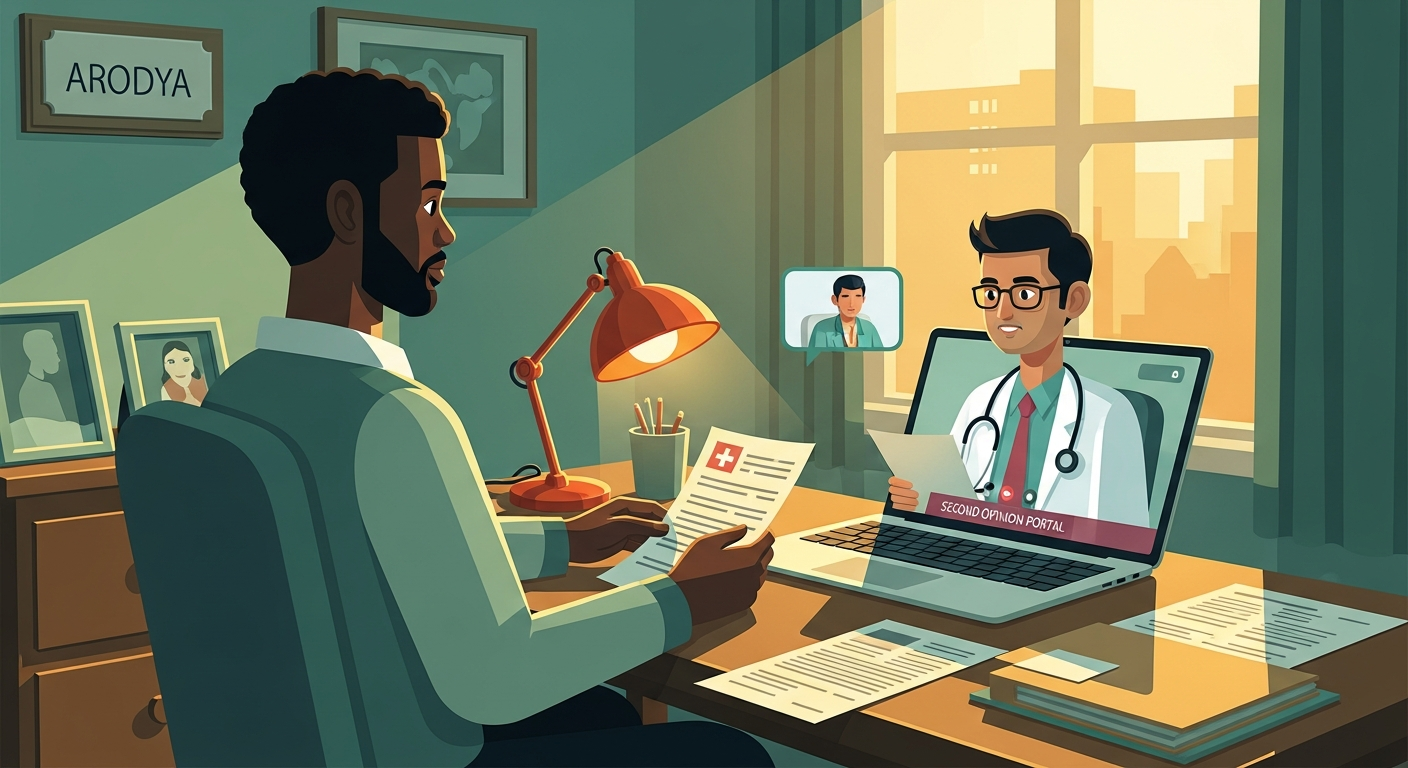
The process begins simply: share your pelvic ultrasound or MRI report, recent blood tests, and a description of your symptoms. Arodya's team will review your records and connect you with the most appropriate specialist within 24 hours. Begin your assessment here — the first step towards reclaiming your health costs nothing.
Africa's women deserve access to the same standard of care as women anywhere in the world. On World Menstrual Hygiene Day 2026, India stands ready to deliver it.