Why We Started Arodya: The Story Behind Our Medical Travel Platform
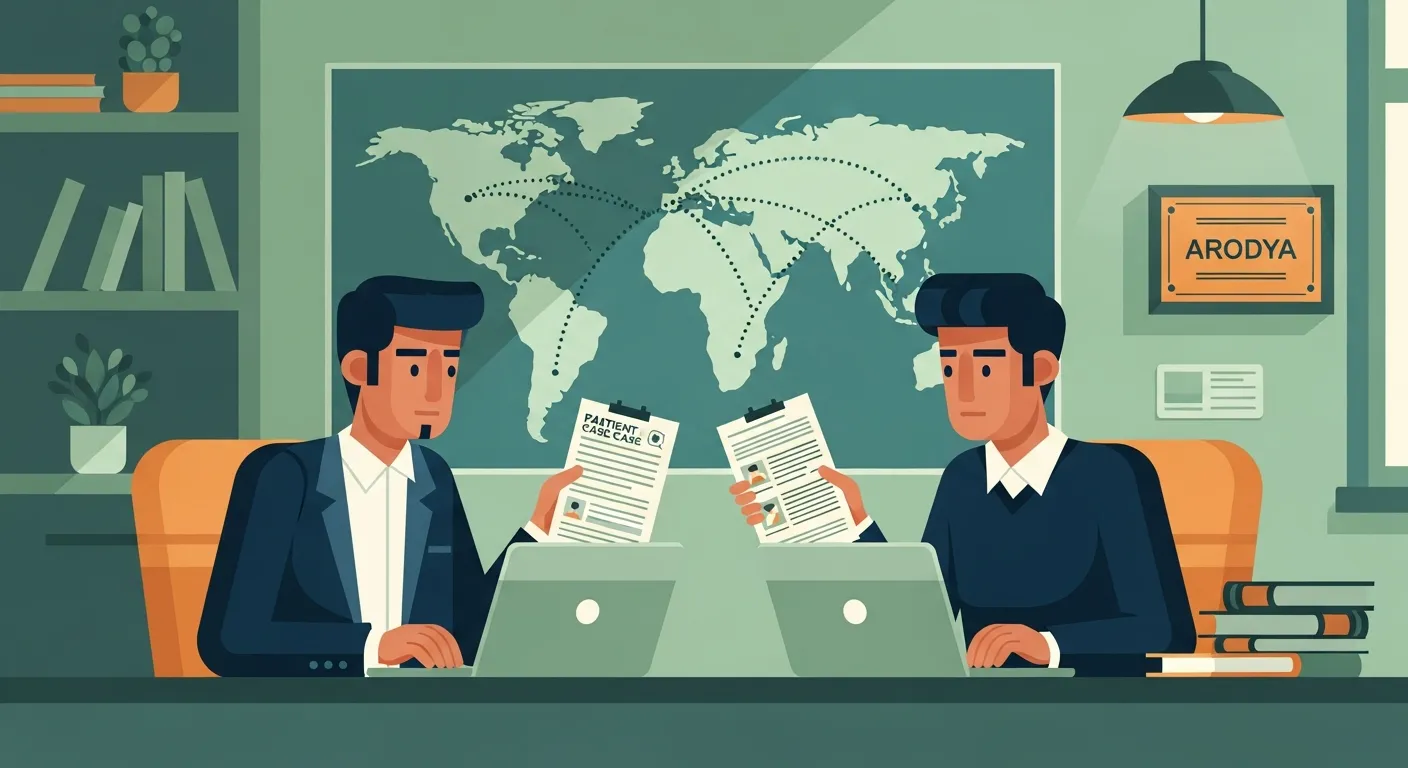
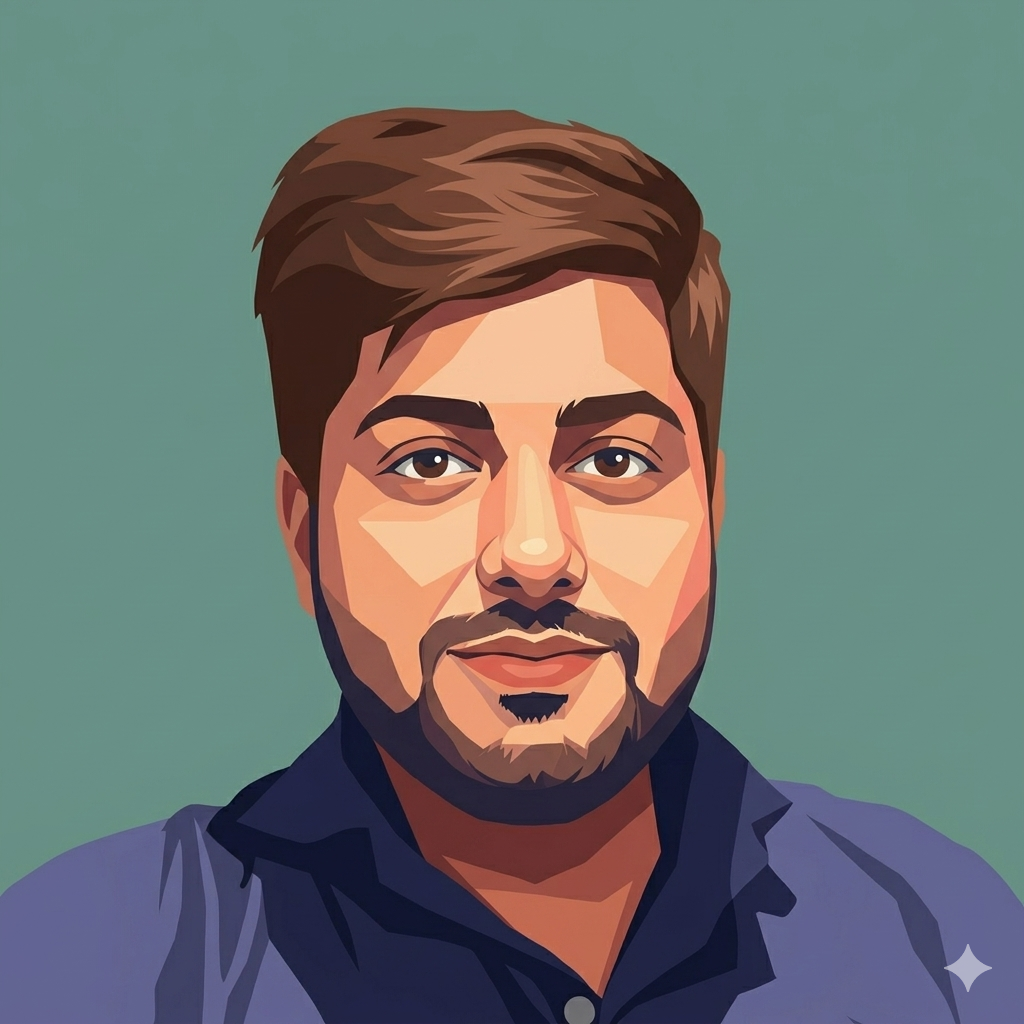
Prakhar Dubey
CEO & Co-Founder, Arodya
There is a moment I keep coming back to. A woman from Lagos — let's call her Mrs. Adeyemi — had been diagnosed with a cardiac condition that required valve replacement surgery. She had the funds. She had the determination. What she didn't have was a reliable way to find the right hospital in India, verify the surgeon's credentials, understand the real costs, or know what would happen if something went wrong 4,000 miles from home.
She spent three months searching online. She contacted five hospitals directly. She received five different price quotes with no way to compare them. One agent promised a "VIP package" that turned out to be a standard hospital room with a markup. By the time she reached us, she was exhausted, suspicious, and running out of time.
TL;DR: Arodya was born from a simple observation — international patients seeking medical treatment in India face a broken coordination system. We built a platform to fix it: transparent costs, verified hospitals, end-to-end support, and a single point of trust for patients navigating a foreign healthcare system.
The Gap We Saw
India's hospitals are genuinely world-class. The surgical talent, the technology, the outcomes — they stand up against the best institutions globally, often at a fraction of the cost. That part of the story is real.
But the journey to reach those hospitals? That part is broken.
For patients from Africa — where healthcare infrastructure in many countries is stretched beyond capacity — the decision to travel to India for treatment is not casual. It is often a family-wide financial commitment, months of planning, and an enormous leap of faith. These patients deserve better than a Google search and a WhatsApp number.
What we saw, again and again, was the same pattern of failure:
Information asymmetry. Patients couldn't tell a JCI-accredited multi-specialty hospital from a small nursing home with a good website. Hospital marketing materials all say the same things. Without someone who has actually walked the corridors, met the surgeons, and reviewed the outcomes, patients are guessing.
Cost opacity. The same surgery at the same hospital could be quoted at three different prices depending on who you asked. Package pricing hid exclusions. "Estimated costs" ballooned after admission. Patients arrived with a budget and left with debt.
Coordination gaps. Visa applications, airport transfers, accommodation, translation, post-operative follow-up, medication management, insurance documentation — each of these is a separate problem, and most patients were solving them alone, in real time, in a country they had never visited.
No accountability. When things went wrong — a delayed surgery, a billing dispute, a complication — patients had no advocate. The hospital's international patient desk was helpful up to a point, but their incentives were aligned with the hospital, not the patient.
Why We Built Arodya
My co-founder Anuj and I didn't start Arodya because we saw a market opportunity. We started it because the alternative — doing nothing — felt unconscionable once we understood the scale of the problem.
Every year, hundreds of thousands of patients travel to India for medical treatment. A significant and growing proportion come from sub-Saharan Africa, where conditions like cancer, cardiac disease, kidney failure, and orthopaedic injuries often cannot be treated locally — not because the doctors aren't skilled, but because the infrastructure, equipment, and specialist capacity simply don't exist at the scale required.
These patients are not tourists. They are people in pain, often frightened, frequently accompanied by a family member who is equally overwhelmed. They need more than a hospital recommendation. They need a system.
That system is what Arodya is designed to be.
What We Actually Do
We are not a hospital. We don't employ doctors. We don't perform surgeries. What we do is build the bridge between the patient and the hospital, and then stay on that bridge for the entire journey.
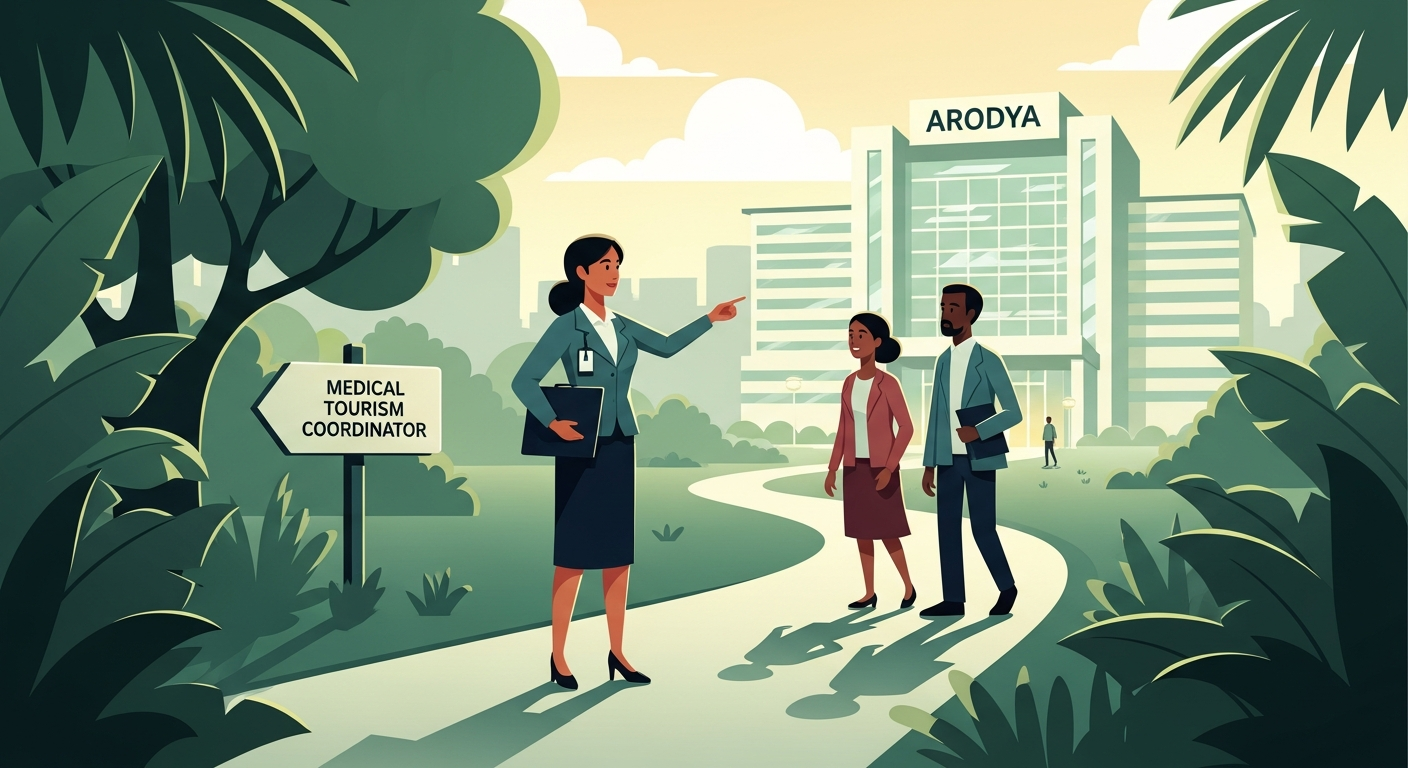
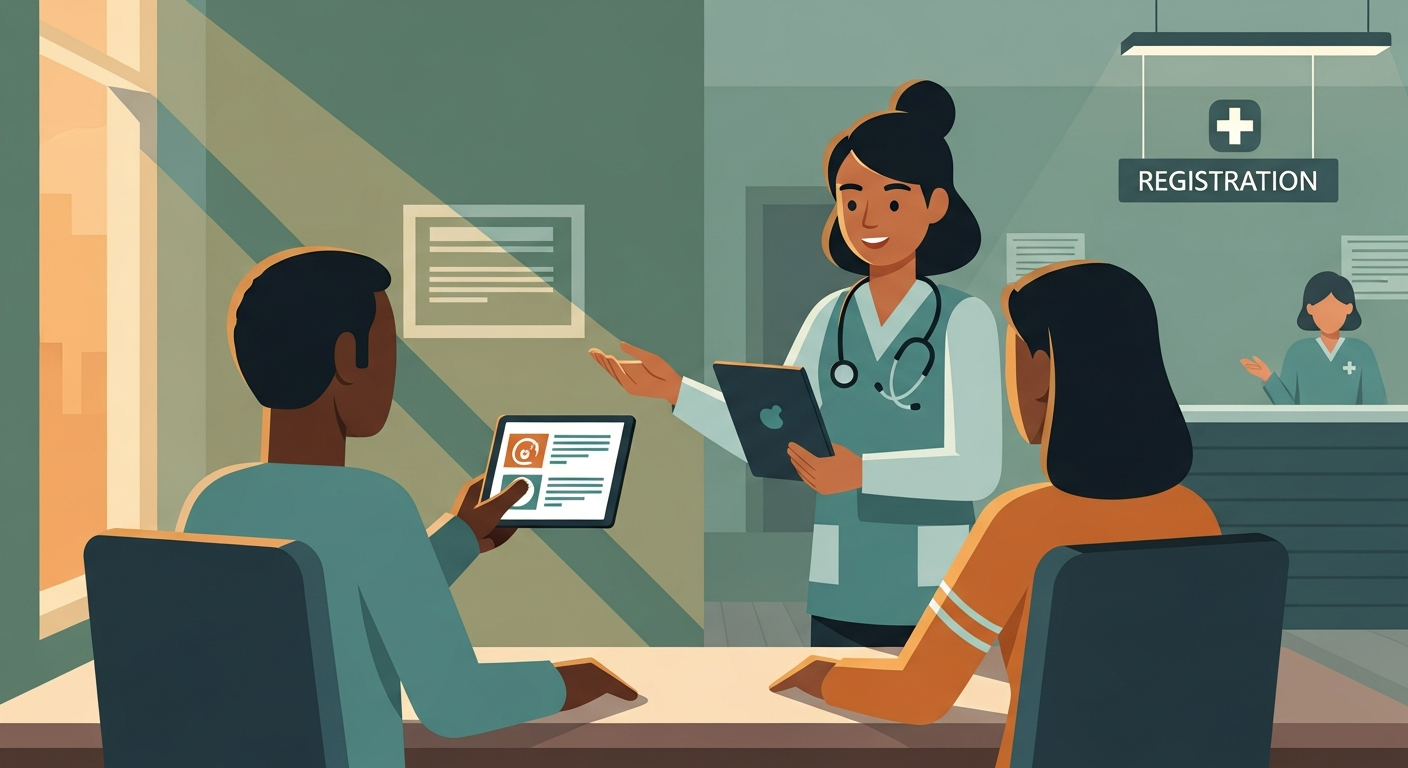
Before travel: We review medical records, identify the right hospitals and specialists, provide transparent cost estimates with itemised breakdowns, assist with medical visa applications, and prepare patients for what to expect.
During treatment: We coordinate airport transfers, accommodation, hospital admission, translation where needed, and serve as the patient's advocate if any issues arise. If there's a billing question, a scheduling conflict, or a clinical concern, we are the call patients make.
After treatment: We help with discharge documentation, medication management for the flight home, telemedicine follow-up scheduling, and insurance claims documentation.
This is not a concierge service. It is infrastructure. It is the scaffolding that makes medical travel safe, transparent, and navigable for people who have no margin for error.
The Stories That Keep Us Going
I could share statistics — the growth of medical tourism to India, the cost savings, the clinical outcomes. Those numbers matter, and we track them rigorously. But what actually drives this company is the individual stories.
The father from Nairobi whose daughter needed a bone marrow transplant that wasn't available in Kenya. The retired teacher from Accra who had been told she would never walk again, and who walked out of a Delhi hospital six weeks after knee replacement surgery. The young man from Kampala with a brain tumour that three local hospitals said was inoperable, and which an Indian neurosurgeon removed successfully.
These are not marketing stories. They are the reason Arodya exists.
What Comes Next
We are still early. The platform is growing, the team is growing, and the problems we are solving are getting more complex as we serve patients with more serious conditions and from more countries.
Some of what we're building next: deeper hospital integrations for real-time bed availability and pricing, AI-assisted medical record review to speed up the initial consultation process, partnerships with insurance providers in African markets, and expanded support for patients from francophone and lusophone countries.
But the core mission doesn't change. Every decision we make comes back to a single question: does this make the journey safer, more transparent, and more humane for the patient?
If you or someone you know is considering medical treatment in India, start a conversation with us. No commitment, no pressure — just honest answers to honest questions. That's where every Arodya journey begins.