Medical Tourism in India: A Complete Guide for International Patients

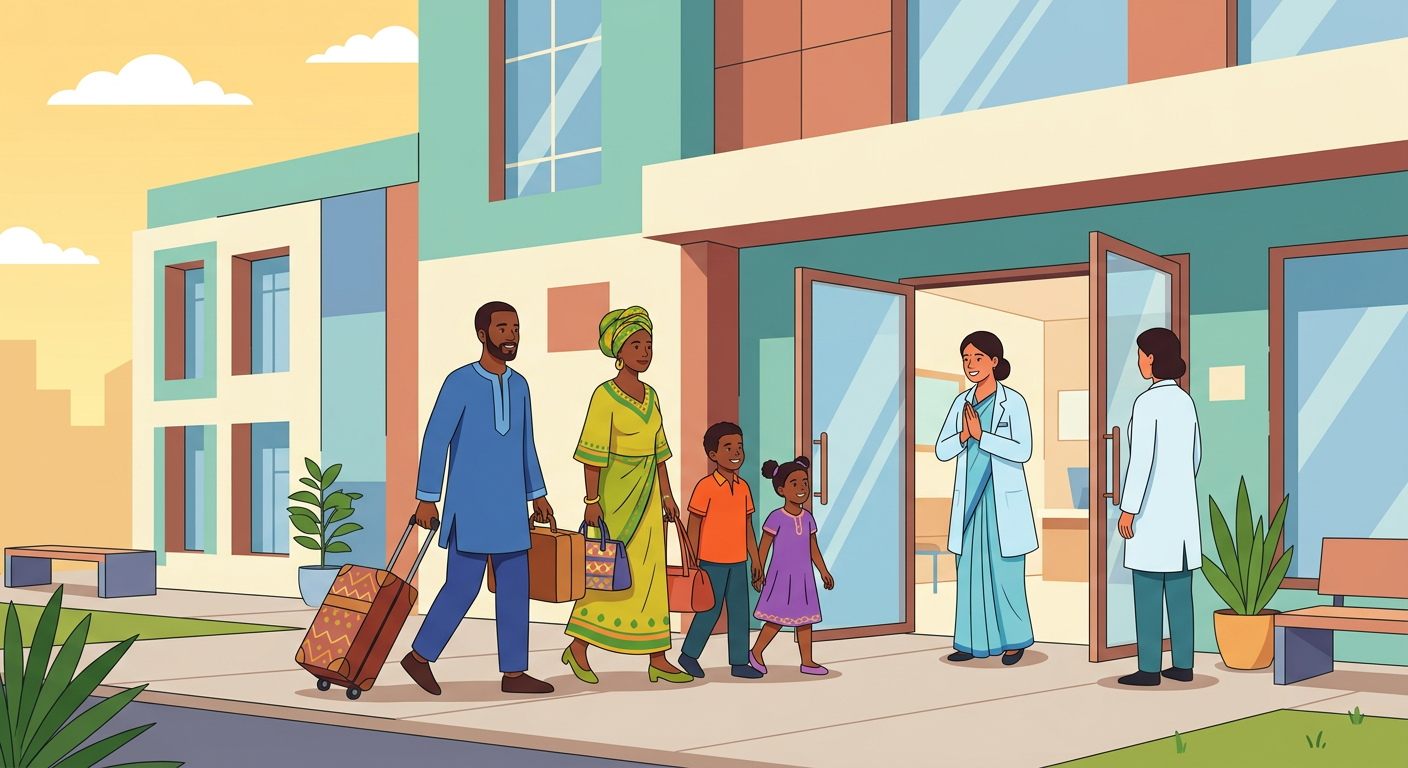
TL;DR: India is the #1 medical tourism destination in Asia by patient volume, with 700,000+ international arrivals in 2025. Cardiac surgery, organ transplants, IVF, and oncology are the top four procedure categories for African patients. Costs run 60–80% below Western equivalents at JCI-accredited hospitals. Visa: M-Visa, apply online, 3–7 working days. Arodya coordinates the entire journey at no charge.
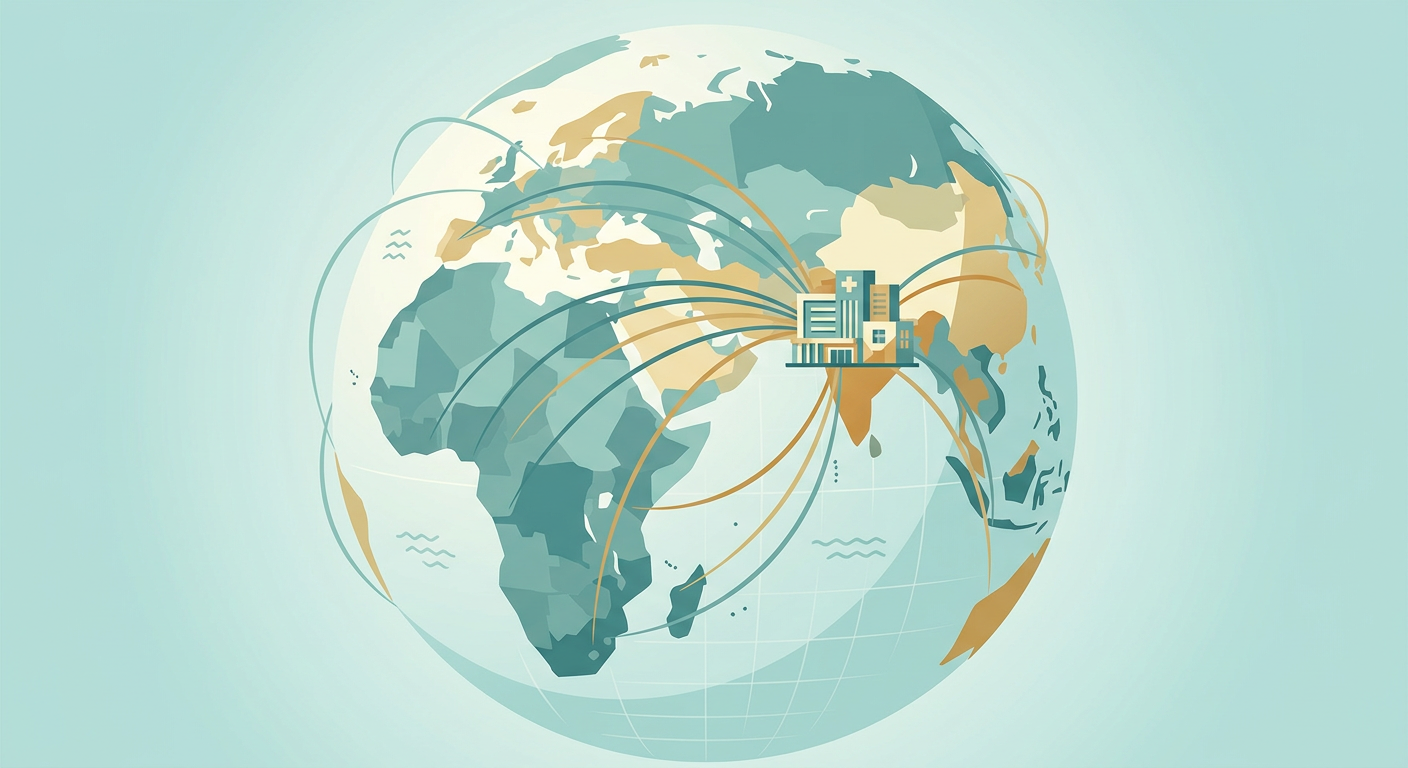
India has emerged as one of the world's leading medical tourism destinations, offering world-class healthcare at a fraction of the cost compared to Western countries. Every year, hundreds of thousands of international patients travel to India for procedures ranging from cardiac surgery to orthopaedic treatments. India's 700+ NABH-accredited hospitals and 41 JCI-accredited facilities treat patients from over 150 countries (FICCI Healthcare Sector Report, 2024).
Why Choose India for Medical Treatment?
Is the Cost Advantage Real?
Medical procedures in India typically cost 60–80% less than in the United States, United Kingdom, or other developed nations (India Brand Equity Foundation, 2024). A heart bypass that runs $100,000–$150,000 in the USA costs $8,000–$12,000 at India's top hospitals. This saving — not a reduction in quality — results from lower physician wages, infrastructure costs, and competitive hospital pricing.
Are India's Hospitals Genuinely World-Class?
India holds 41 JCI (Joint Commission International) accredited hospitals — more than any other Asian country (JCI, 2025). JCI applies the same safety and quality standards as US and European hospitals. NABH, India's national accreditation board, certifies over 700 additional facilities. These accreditations require independent audits of infection control, patient safety systems, and clinical outcomes.
Do Indian Doctors Have International Training?
India produces approximately 80,000 specialist doctors annually (Medical Council of India, 2024), and a significant share of senior surgeons at top hospitals completed fellowship training at Cleveland Clinic, King's College, or Johns Hopkins before returning to practice. Many speak fluent English, removing the communication barriers patients face in Thailand, South Korea, or Turkey.
Are There Waiting Lists?
In the UK, patients wait 18 months on average for non-emergency cardiac surgery. In Canada, the median wait for orthopaedic procedures is 22 weeks. Indian hospitals typically begin treatment within 2–3 weeks of arrival. Emergency cardiac surgery can be scheduled within 24–48 hours.
What Are the Most Popular Treatments for International Patients?
Cardiac Care
India performs over 200,000 cardiac surgeries annually. Apollo Hospitals Delhi alone reports 98.6% success rates for coronary artery bypass graft surgery (Apollo Hospitals Outcomes Report, 2025). Common procedures:
- Bypass surgery (CABG)
- Valve replacement
- Angioplasty and stenting
- Paediatric cardiac surgery
Orthopaedics
India's top orthopaedic centres perform over 300,000 joint replacements annually. High-volume centres consistently produce better alignment outcomes than low-volume alternatives (Indian Journal of Orthopaedics, 2025):
- Knee and hip replacement (Stryker, Zimmer Biomet implants)
- Spine surgery (minimally invasive and open)
- Sports medicine and trauma care
Oncology
India's cancer centres follow Children's Oncology Group (COG) and ESMO protocols. Common procedures:
- Chemotherapy and targeted therapy
- Radiation (including proton therapy at Apollo Chennai)
- Surgical oncology
- Bone marrow transplant
Fertility (IVF)
India's IVF success rates range from 48–55% per cycle for patients under 35 (Apollo Hospitals, 2025), comparable to Western benchmarks — at roughly 70% lower cost.
How Do You Plan a Medical Trip to India?
Step 1: Research and Hospital Selection
Begin by sending your medical records to 2–3 hospitals for a remote pre-consultation. Look for:
- Current JCI or NABH accreditation (verify at jointcommissioninternational.org or nabh.co)
- Surgeon annual case volume for your specific procedure
- Published complication and outcome data
- International patient infrastructure (dedicated coordinator, English-language records)
Step 2: Documentation
Prepare before you travel:
- Medical records and imaging (CT, MRI, blood work on CD or digital file)
- Referral letter from your home doctor
- Passport (minimum 6 months validity, 2 blank pages)
- Travel insurance policy with medical coverage
Step 3: The Medical Visa Process
Apply for the e-Medical Visa (M-Visa) at indianvisaonline.gov.in — the only official portal. You will need your hospital appointment letter, passport photo, and $25–30. Processing takes 3–7 working days. Companions qualify for a Medical Attendant Visa (MX-Visa) simultaneously.
Citation capsule: India's Medical e-Visa for treatment is separate from the tourist e-Visa. It explicitly permits inpatient care at registered Indian hospitals for 60 days with triple entry. Using a tourist visa for medical treatment is a visa condition violation that creates problems at immigration (Ministry of External Affairs, India, 2025).
Step 4: Accommodation and Recovery
Recovery accommodation near hospitals in Delhi, Mumbai, and Chennai typically costs $35–80/day. Most hospital international patient offices maintain lists of partner recovery hotels within 10–15 minutes.
What Should You Expect During Your Stay?
Before Arrival
- Remote consultation with the specialist team
- Treatment plan and written cost estimate
- Airport pickup arranged ($30–50 from most Delhi hospitals)
During Treatment
- Arrival, rest, hotel check-in (Day 1)
- Hospital admission and pre-operative tests (Day 2)
- Surgery and immediate recovery in monitored ward
- Physiotherapy begins Day 1–2 post-operation
- Regular monitoring and follow-up appointments
After Discharge
- Discharge summary in English
- Complete medication schedule
- Surgeon contact for telemedicine follow-up
- Fitness-to-fly confirmation before booking return flight
What Are the Total Costs Including Travel?
While individual procedure quotes are the largest line item, realistic total trip costs include more than the surgery. A complete cost example for knee replacement from Nairobi to Delhi:
| Cost Item | USD |
|---|---|
| Knee replacement (Max Healthcare) | $9,500 |
| Return flights | $700–900 |
| Medical visa | $25 |
| Accommodation (3 weeks) | $900–1,200 |
| Pre-op tests | $300–500 |
| Post-op medications | $200–350 |
| Meals and local transport | $400–600 |
| Total | $12,025–13,075 |
The same procedure in the USA costs $35,000–50,000. India represents a 65–75% total saving.
Always request a line-by-line written cost estimate covering surgery, anaesthesia, hospital stay, ICU, implants, post-operative imaging, and physiotherapy. A hospital that provides this without prompting respects your need for financial clarity.
Is Medical Tourism to India Safe?
India's leading hospitals report surgical site infection rates of 1–2% — equal to or better than the US average of 2–3% (NABH Quality Report, 2024). JCI and NABH accreditation requires documented infection control programmes, antibiotic stewardship, and sterilisation cycle verification.
The honest answer: hospital choice matters more than country. India's accredited hospitals deliver outcomes comparable to Western benchmarks. Non-accredited hospitals anywhere present a different risk profile. Verify accreditation independently on the official JCI and NABH websites before committing.