Multiple Myeloma Treatment in India for African Patients: 2026 Complete Guide

Multiple Myeloma Treatment in India for African Patients: 2026 Complete Guide
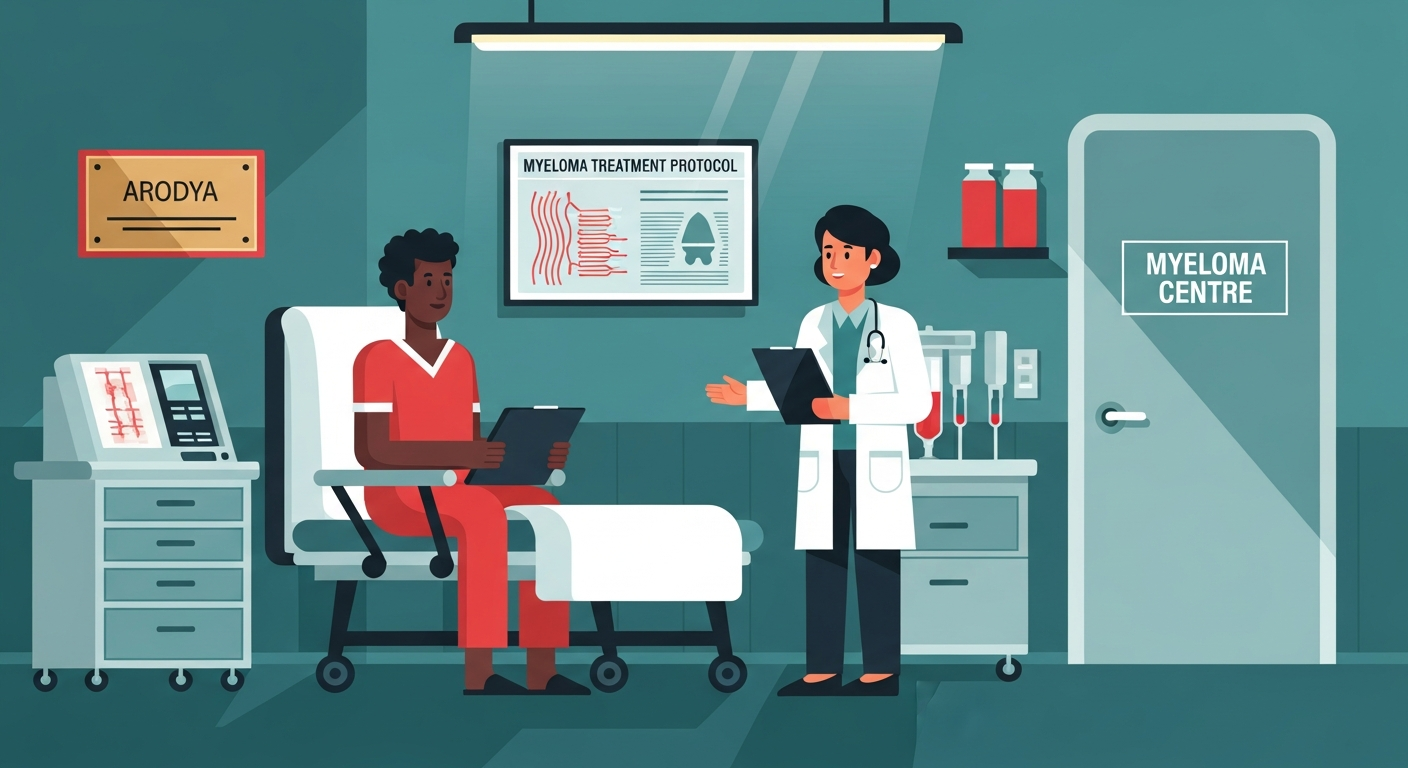
Multiple myeloma — a cancer of the plasma cells in the bone marrow — was once considered a disease primarily of older patients in high-income countries with sophisticated diagnostic infrastructure. The reality in 2026 is different. As diagnostics improve in Africa, myeloma is being identified across the continent at rates that suggest significant underdiagnosis has existed for decades. And as awareness grows, so does the profound treatment gap: in most African countries, the modern myeloma treatment armamentarium — novel agents, autologous stem cell transplant, maintenance therapy — is either unavailable or financially out of reach.
India has a well-developed myeloma treatment programme. Autologous stem cell transplant (ASCT) is performed at multiple accredited centres. Novel agents including daratumumab, bortezomib, lenalidomide, and carfilzomib are accessible and priced far below Western levels. For African myeloma patients, India offers a realistic path to the treatment that the current evidence says works best.
TL;DR: Autologous SCT for myeloma in India costs USD 20,000–30,000 vs USD 150,000–250,000 in the USA. VRd induction chemotherapy runs USD 8,000–15,000. Daratumumab is available and significantly cheaper than Western pricing. Maintenance lenalidomide can be managed remotely from Africa with periodic India visits.
Multiple Myeloma in Africa: What the Data Shows
Multiple myeloma accounts for approximately 1 percent of all cancers and 10 to 15 percent of haematological malignancies globally. In Africa, published data is sparse, but several patterns are emerging:
- Median age at diagnosis in African patients may be younger (50s vs 70s in Western populations)
- Presentation is often late-stage, with high tumour burden, significant anaemia, and advanced bone disease
- Diagnosis is frequently delayed due to misdiagnosis of bone pain as musculoskeletal or infective causes
- Access to serum protein electrophoresis (SPEP), immunofixation, and bone marrow biopsy — essential for diagnosis — is limited outside major urban centres
These factors combine to mean that by the time many African myeloma patients receive a confirmed diagnosis, they need immediate, comprehensive treatment.
Understanding Myeloma: ISS Staging and Treatment Eligibility
The International Staging System (ISS) classifies myeloma into three stages:
- Stage I: Beta-2 microglobulin <3.5 mg/L AND albumin ≥3.5 g/dL. Best prognosis, median survival >62 months with modern treatment.
- Stage II: Neither Stage I nor Stage III criteria met.
- Stage III: Beta-2 microglobulin ≥5.5 mg/L. More advanced disease, requires intensive treatment.
The Revised ISS (R-ISS) adds LDH levels and high-risk cytogenetics (detected by FISH analysis): del(17p), t(4;14), t(14;16). High-risk cytogenetics significantly affect treatment choice and prognosis.
Transplant eligibility is assessed at diagnosis. Patients generally eligible for ASCT are under 70 years of age (with some flexibility) with adequate cardiac, pulmonary, hepatic, and renal function. Many African patients in their 50s or early 60s are excellent ASCT candidates.
The Standard Myeloma Treatment Sequence
Modern myeloma treatment follows a defined sequence:
1. Induction Chemotherapy (3–4 cycles before ASCT)
The goal is to reduce myeloma burden maximally before transplant. Standard induction regimens in India:
VRd (bortezomib, lenalidomide, dexamethasone): The most widely used triplet globally. Bortezomib is given by subcutaneous injection weekly or twice-weekly. Total induction course cost in India: USD 8,000–15,000 depending on number of cycles and drug sourcing.
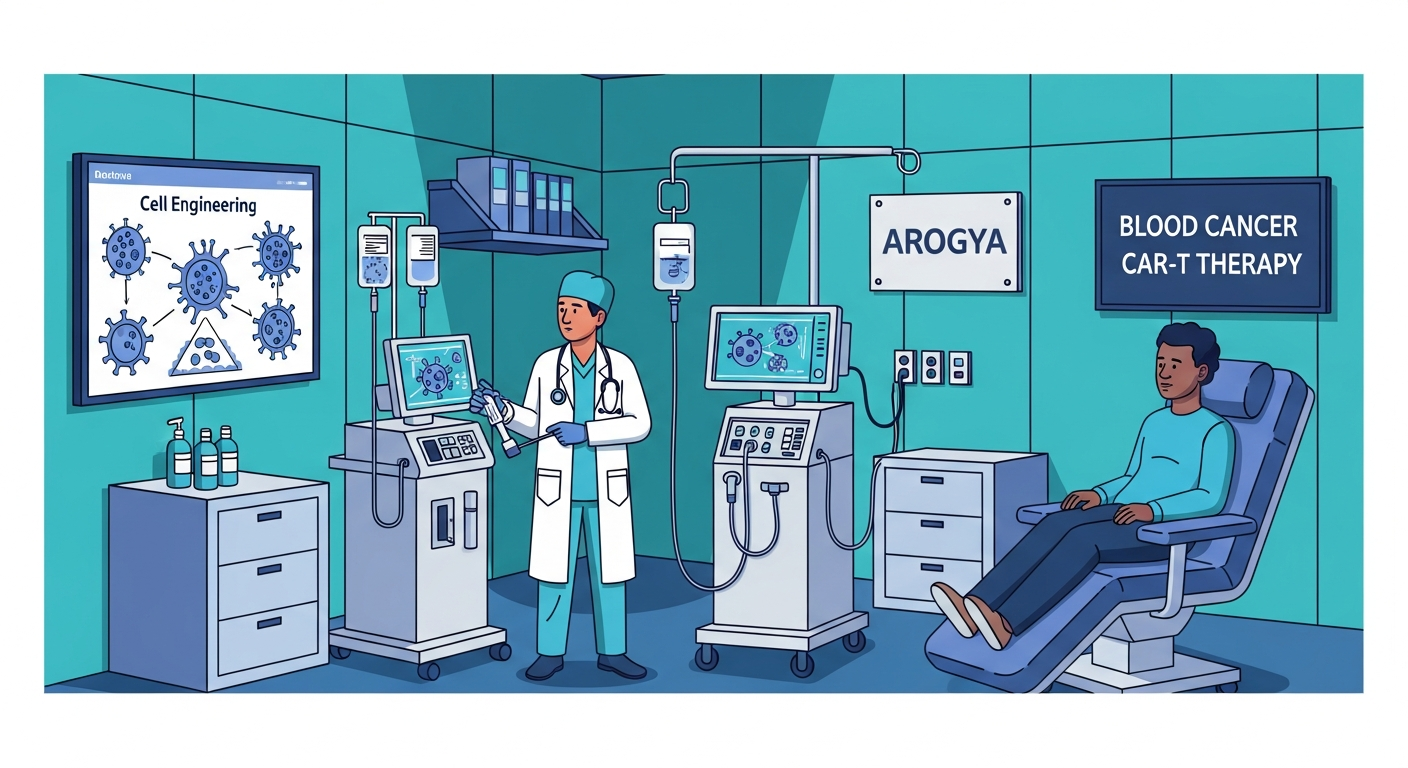
DRd (daratumumab, lenalidomide, dexamethasone): Adding daratumumab (a monoclonal antibody targeting CD38) to Rd improves response rates significantly. Daratumumab is now available in India at approximately USD 2,000–3,500 per infusion — significantly below the USD 10,000–15,000 per infusion charged in the USA.
KRd (carfilzomib, lenalidomide, dexamethasone): Used for higher-risk patients or those intolerant to bortezomib. Available at major Indian centres.
2. Stem Cell Mobilisation and Collection
After induction, stem cells are mobilised from the bone marrow into the bloodstream using G-CSF (granulocyte colony-stimulating factor), with or without plerixafor. Cells are collected via apheresis — a several-hour blood filtering process — and cryopreserved. This process takes three to five days and does not require admission.
3. Autologous Stem Cell Transplant (ASCT)
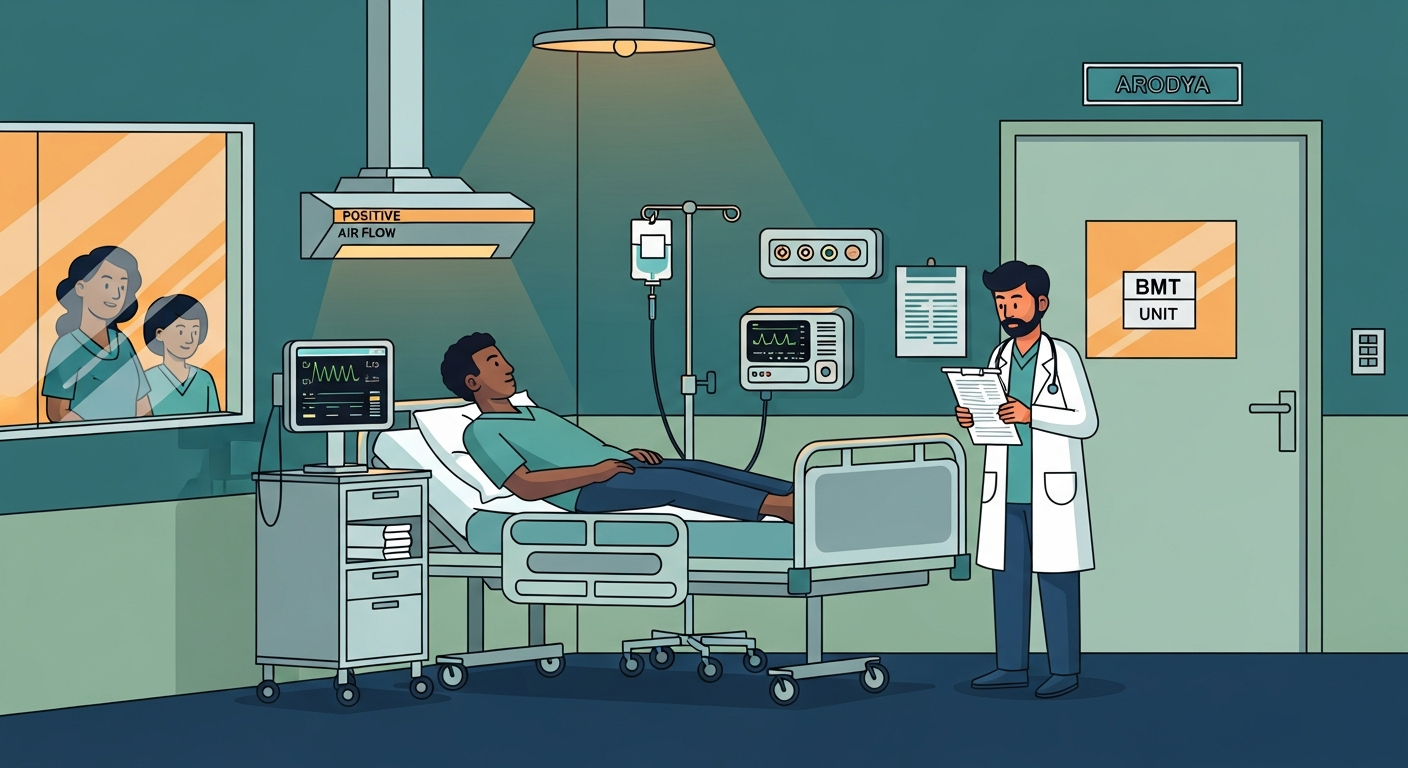
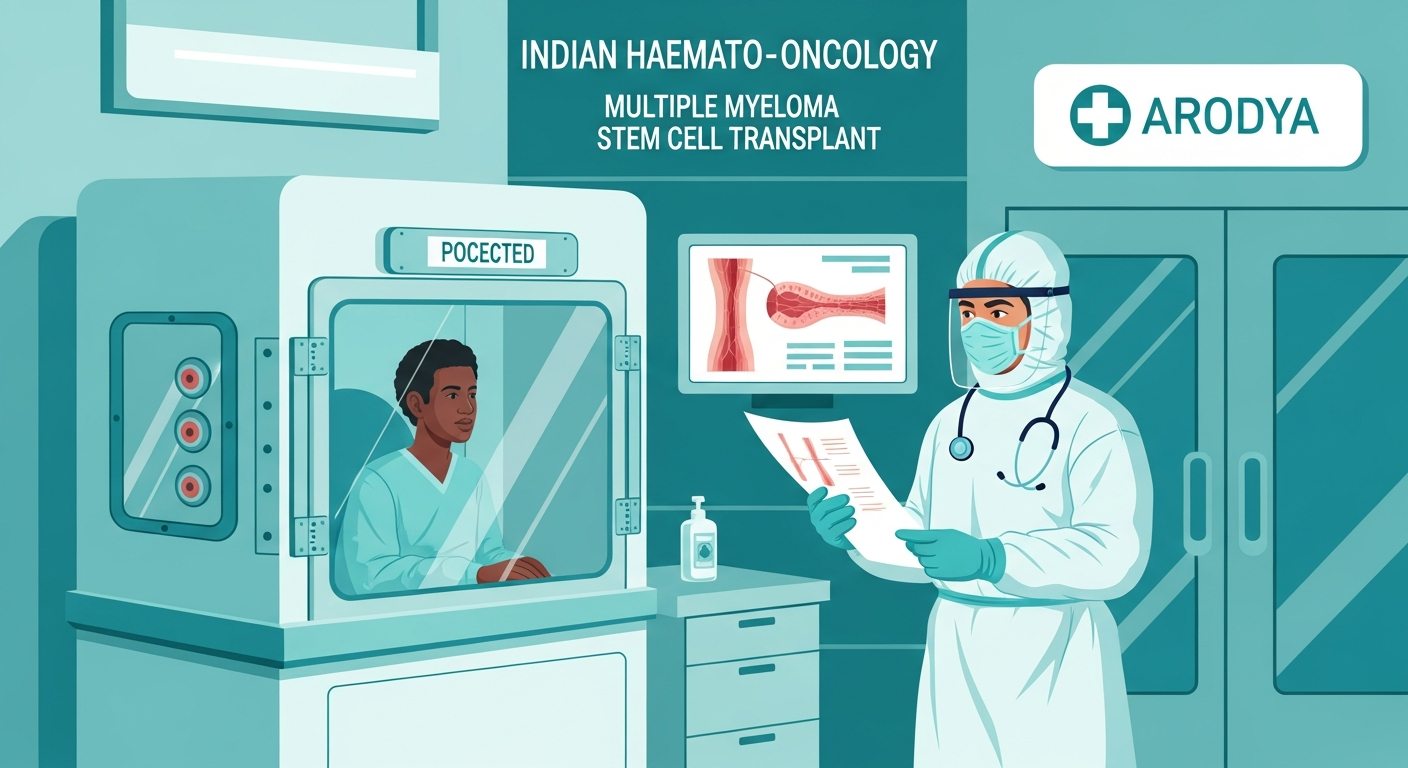
High-dose melphalan conditioning chemotherapy destroys remaining myeloma cells (and the patient's bone marrow). The previously collected stem cells are then infused to reconstitute the marrow. Patients are admitted to a protected single-room environment for three to four weeks during the neutropenic nadir.
Total ASCT cost in India: USD 20,000–30,000, including induction, mobilisation, collection, conditioning, transplant, and inpatient stay.
4. Maintenance Therapy
After ASCT and recovery, maintenance therapy with lenalidomide (Revlimid) — typically 10 mg orally daily for 21 of 28 days — extends progression-free survival significantly. Oral lenalidomide can be taken at home. Indian generic lenalidomide costs USD 200–400 per month, compared to USD 2,000–3,000 in the USA.
The India Treatment Journey Timeline for Myeloma Patients
| Phase | Location | Duration |
|---|---|---|
| Induction cycle 1–2 | Can be initiated in India, continued at home if drugs available | 6–8 weeks |
| Induction cycle 3–4 (pre-ASCT) | India | 4–6 weeks |
| Stem cell mobilisation + collection | India | 1 week |
| ASCT + recovery | India | 4–5 weeks |
| Early maintenance assessment | India | 1 week |
| Ongoing maintenance | Home country | 12–24 months |
| Follow-up response assessment | India every 6 months | 1 week per visit |
For many patients, the practical arrangement involves a longer initial India stay (eight to twelve weeks) that covers late induction through early post-ASCT recovery, then return to Africa for oral maintenance with periodic India visits for response monitoring.
Top Myeloma Treatment Centres in India
Tata Memorial Hospital, Mumbai: India's leading haematological malignancy programme. High ASCT volumes, research programmes in novel agents, dedicated myeloma clinic.
Apollo Cancer Centres (Delhi, Chennai, Hyderabad): Comprehensive myeloma programmes with experienced haematologists and ASCT infrastructure.
Rajiv Gandhi Cancer Institute, Delhi: Dedicated bone marrow transplant unit, experienced in international patients.
Manipal Comprehensive Cancer Centre, Bengaluru: Growing transplant programme with strong supportive care.
Max Healthcare (Saket, Delhi): Modern BMT unit with experienced haematology team.
Managing Myeloma Follow-Up from Africa
One of the practical concerns for African myeloma patients is how to maintain the continuous monitoring that myeloma requires — serum protein electrophoresis, immunofixation, free light chains, complete blood counts — from their home country.
Indian specialist teams provide detailed monitoring protocols that local haematologists or oncologists can follow. Arodya facilitates telemedicine consultations between the Indian myeloma team and the patient's local doctor to review monitoring results and adjust therapy. When significant disease progression is detected, early return to India is arranged. For maintenance therapy drugs, Indian pharmacies can often courier medications internationally.
Supportive Care During Myeloma Treatment in India
Myeloma treatment carries significant supportive care requirements, and Indian hospitals manage these systematically:
Bone protection: Bisphosphonates (zoledronic acid) or denosumab infusions every four weeks prevent skeletal complications — fractures, spinal cord compression, hypercalcaemia. These are standard practice and administered during outpatient visits at Indian centres.
Infection prevention: Bortezomib-based regimens and high-dose chemotherapy before ASCT require antiviral prophylaxis (aciclovir against varicella zoster reactivation) and Pneumocystis pneumonia (PCP) prophylaxis. Indian teams initiate these at treatment start.
Thromboprophylaxis: Lenalidomide-based regimens increase venous thromboembolism risk. Aspirin or low molecular weight heparin prophylaxis is prescribed based on individual risk assessment.
Renal monitoring: Myeloma frequently affects kidney function. Indian teams monitor serum creatinine, urine protein, and free light chains closely throughout treatment and adjust drug doses accordingly.
Transfusion support: Anaemia is near-universal in myeloma. Indian hospitals have blood banks with consistent supply, and erythropoietin support is available when appropriate.
For patients from Africa who will be transitioning care back to local teams, Indian specialists provide detailed supportive care protocols that local practitioners can implement.
Questions to Ask Your Indian Myeloma Specialist
When you attend your first consultation with an Indian myeloma specialist, these questions will help you understand your treatment plan fully:
- What is my ISS and R-ISS stage, and what does this mean for my prognosis?
- Do I have high-risk cytogenetics (del17p, t(4;14), t(14;16))?
- Am I eligible for autologous stem cell transplant?
- Which induction regimen do you recommend, and why?
- What is the expected response (depth of remission) from this regimen?
- How will we assess whether the treatment is working?
- What is the maintenance plan after ASCT, and for how long?
- How will follow-up be managed when I return to Africa?
- What would trigger a need to return to India for reassessment?
Arodya provides patients with a consultation preparation document before their first appointment, covering these questions and the relevant documentation to bring.
Starting Your Myeloma Treatment Journey
Submit your case for a free review — include bone marrow biopsy report, SPEP, immunofixation, free light chain assay, FISH cytogenetics if available, complete blood count, renal and hepatic function tests, and any prior treatment records. An Indian haematologist reviews your case within three to five working days and provides a staging assessment and treatment recommendation.
Myeloma is a chronic disease that, with modern treatment, many patients live with for years. The key is access to the right treatment from the beginning. For a broader overview of blood cancer care in India, see our guide to bone marrow transplant in India. India's myeloma programme gives African patients access to the global standard of care at costs that make treatment a realistic choice rather than an impossible dream.