Blood Cancer & Lymphoma Treatment in India: CAR-T Cell Therapy Guide 2026

Blood Cancer & Lymphoma Treatment in India: CAR-T Cell Therapy Guide 2026
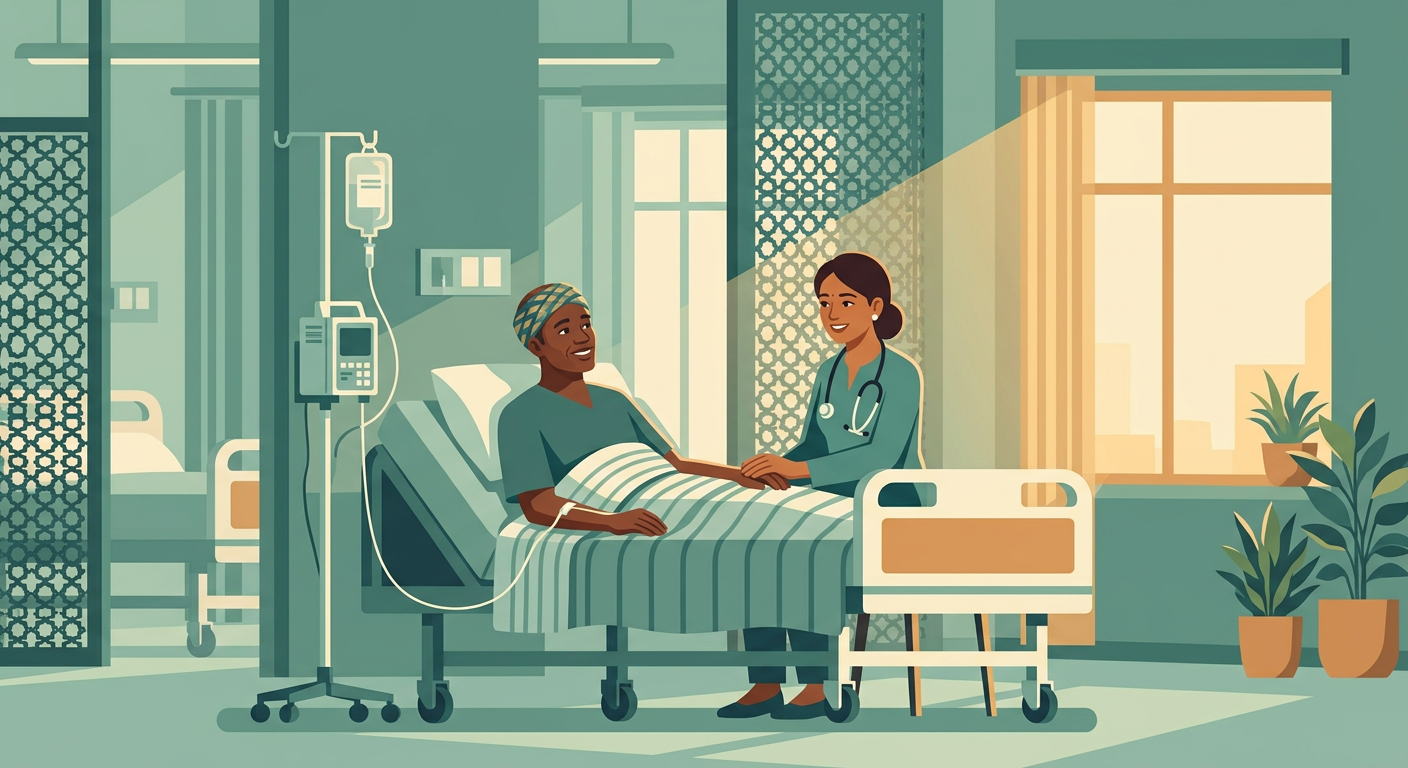
For decades, a diagnosis of relapsed lymphoma or leukaemia in Africa carried a prognosis shaped less by the biology of the cancer than by the absence of treatment options. Bone marrow transplants, CAR-T cell therapy, and novel targeted agents were either unavailable or so catastrophically expensive that they existed only in theory. That picture has changed. India now has FDA-equivalent approved CAR-T cell therapy products, functioning transplant programmes at multiple centres, and an oncology ecosystem that delivers comparable outcomes at a fraction of Western costs.
This guide is for African patients and families navigating blood cancer diagnoses — lymphoma, leukaemia, and myeloma — and considering India as a treatment destination in 2026.
TL;DR: CAR-T cell therapy in India costs USD 50,000–80,000 vs USD 400,000+ in the USA. R-CHOP chemotherapy for lymphoma runs USD 3,000–8,000 for a full course. Autologous stem cell transplant costs USD 25,000–40,000. Tata Memorial, Apollo, and Rajiv Gandhi Cancer Institute are India's top blood cancer centres.
Blood Cancers in Africa: The Clinical Reality
Blood cancers — lymphoma, leukaemia, myeloma, and related malignancies — are underreported in Africa due to limited diagnostic infrastructure. However, available data suggests:
- Hodgkin lymphoma disproportionately affects younger Africans, often in the context of HIV infection. It responds well to ABVD chemotherapy when diagnosed early.
- Non-Hodgkin lymphoma (NHL), particularly diffuse large B-cell lymphoma (DLBCL) and Burkitt lymphoma (common in sub-Saharan Africa), requires aggressive chemotherapy and often stem cell transplant for relapsed cases.
- Chronic myeloid leukaemia (CML) is one of the most common leukaemias in Africa. First-line imatinib (Gleevec) is increasingly available through generic access programmes, but second and third-line agents, and allogenic transplants for resistant disease, require specialist centres.
- Acute lymphoblastic leukaemia (ALL) in adults has dismal outcomes in Africa due to lack of intensive chemotherapy infrastructure.
India addresses all these conditions with treatments unavailable locally in most African countries.
Lymphoma Treatment: CHOP, R-CHOP, and Beyond
The backbone of aggressive B-cell NHL treatment is R-CHOP: rituximab, cyclophosphamide, doxorubicin, vincristine, and prednisone. A standard six to eight cycle course in India costs USD 3,000 to 8,000 depending on rituximab dosing and hospitalisation requirements. This compares to USD 30,000 to 60,000 in Western countries — a 5 to 10 times cost differential for identical drugs.
For relapsed or refractory DLBCL after two prior lines of therapy, CAR-T cell therapy has become the standard of care internationally. India now offers this treatment.
For Hodgkin lymphoma, ABVD chemotherapy is well-established in India, with escalated BEACOPP available for high-risk disease. Brentuximab vedotin (for relapsed Hodgkin) is available at major centres. Second-line salvage therapy followed by autologous SCT is the standard approach for relapsed/refractory Hodgkin.
CAR-T Cell Therapy in India: A Breakthrough for Lymphoma Patients
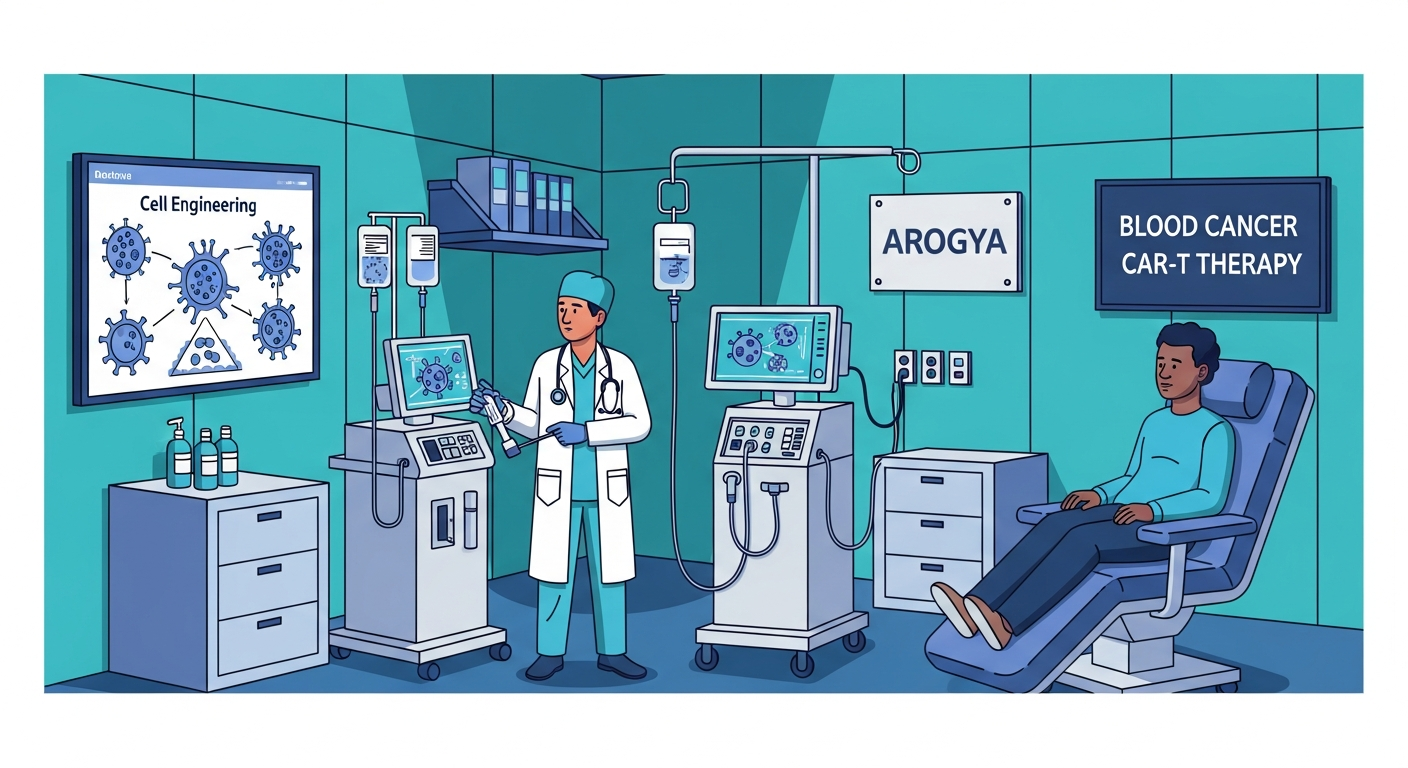
Chimeric Antigen Receptor T-cell (CAR-T) therapy represents a genuine revolution in lymphoma treatment. The patient's own T-cells are collected, genetically engineered to express a CAR that targets the CD19 antigen on B-cells, expanded in a laboratory, and infused back. CAR-T cells hunt and destroy lymphoma cells with remarkable precision.
India's indigenous CAR-T product NexCAR19 (developed by ImmunoACT in collaboration with IIT Bombay and Tata Memorial Hospital) received CDSCO approval in 2023 — making India one of only a few countries globally with a domestically manufactured CAR-T product. This domestic production is what makes India's pricing possible.
| CAR-T Product | India Cost | USA Cost |
|---|---|---|
| NexCAR19 (India domestic) | USD 50,000–70,000 | N/A |
| Tisagenlecleucel (Kymriah) | USD 70,000–90,000* | USD 475,000 |
| Axicabtagene ciloleucel (Yescarta) | USD 65,000–85,000* | USD 420,000 |
*Available at select centres with import authorisation
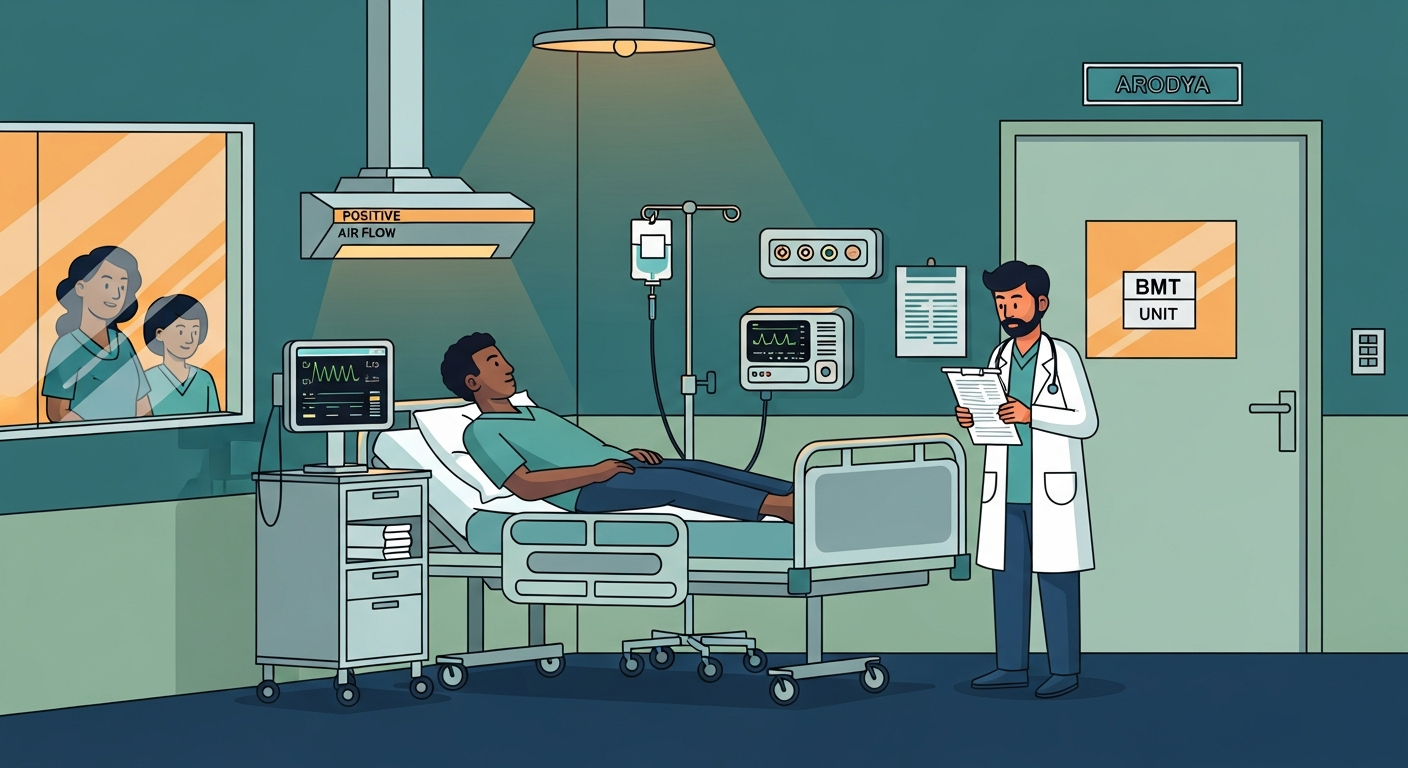
CAR-T therapy requires admission at a specialised centre equipped for cytokine release syndrome (CRS) management — a serious but manageable immune reaction that occurs in some patients. Patients typically spend three to four weeks inpatient during and immediately after infusion.
Eligibility: CAR-T is currently approved for relapsed/refractory DLBCL, follicular lymphoma, mantle cell lymphoma, and B-ALL after two prior lines of therapy.
Leukaemia Treatment in India
Chronic Myeloid Leukaemia (CML): First-line imatinib is available as a high-quality Indian generic for USD 50 to 150 per month (vs USD 1,000–2,000/month in the USA). For imatinib-resistant CML, second-generation TKIs (dasatinib, nilotinib, bosutinib) and third-generation (ponatinib, asciminib) are available at Indian centres with appropriate monitoring.
Acute Myeloid Leukaemia (AML): Intensive 7+3 induction followed by consolidation or allogeneic SCT for eligible patients. Targeted agents for FLT3-mutant AML (midostaurin) and IDH-mutant AML (enasidenib, ivosidenib) are available at major centres. Total induction and consolidation costs: USD 20,000 to 50,000.
Acute Lymphoblastic Leukaemia (ALL): BFM or hyper-CVAD protocols with CNS prophylaxis. For Ph+ ALL, TKI addition (imatinib, dasatinib) is standard. CD19-targeting therapy (blinatumomab, CAR-T) for relapsed cases. Total treatment including maintenance: USD 30,000 to 60,000 for up to two years.
Stem Cell Transplant at Indian Blood Cancer Centres
For many blood cancer patients, autologous or allogeneic stem cell transplant remains the only curative option. India's transplant programmes have treated thousands of international patients.
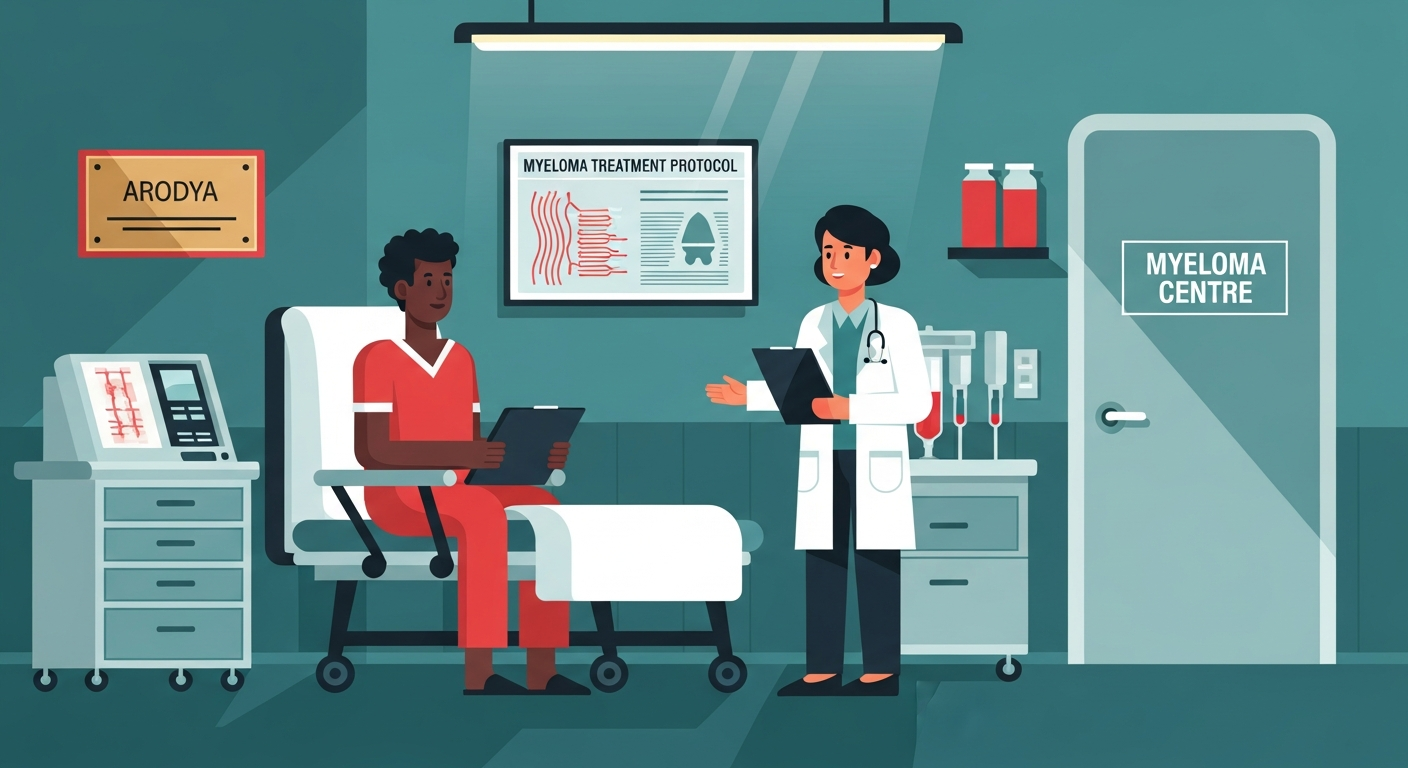
Autologous SCT (using the patient's own cells, for lymphoma and myeloma): USD 25,000–40,000 total
Allogeneic SCT (matched donor, for AML, ALL, resistant CML): USD 40,000–70,000 total
These costs include conditioning chemotherapy, stem cell collection and processing, transplant, GVHD prophylaxis, and four to six weeks inpatient stay. India has a functioning bone marrow donor registry (DATRI) and also accesses international registries for unrelated donor searches.
What to Bring to India for Blood Cancer Treatment
Preparing the right documentation before arriving in India saves time and ensures your specialist consultation is maximally productive. For haematological malignancies, bring:
- Bone marrow biopsy report with morphology, immunohistochemistry (IHC), and FISH cytogenetics
- PET-CT scan (most recent, within six to eight weeks if possible)
- Complete blood count with differential (recent, within four weeks)
- Serum LDH, beta-2 microglobulin, uric acid (relevant to staging and treatment planning)
- Immunophenotyping results (flow cytometry or immunohistochemistry)
- All prior treatment records including chemotherapy regimens, doses, cycle numbers, and response assessments
- Current medications including supportive care drugs, antimicrobials, and growth factors
Indian specialists can conduct their own assessment, but comprehensive prior documentation ensures accurate staging and avoids repeating tests unnecessarily.
India's Top Blood Cancer Centres
Tata Memorial Hospital, Mumbai — India's oldest and highest-volume cancer centre. Haematology department manages thousands of blood cancer cases annually. Research programmes in CAR-T, transplant, and novel agents. JCI accredited.
Rajiv Gandhi Cancer Institute, Delhi — Dedicated cancer hospital with strong haematology and BMT programme. International patient department well established.
Apollo Cancer Centres (multiple cities) — Apollo's haematology-oncology units across Delhi, Chennai, and Hyderabad are accessible, accredited, and handle international patients routinely.
Manipal Comprehensive Cancer Centre, Bengaluru — Growing bone marrow transplant and haematological oncology programme.
BLK-Max Super Speciality Hospital, Delhi — Strong BMT unit with modern transplant infrastructure and experienced haematology team.
Managing Follow-Up After Returning to Africa
Blood cancer treatment is rarely a single visit. Most patients require multiple India visits across a treatment course lasting months to years. Planning this in advance is essential:
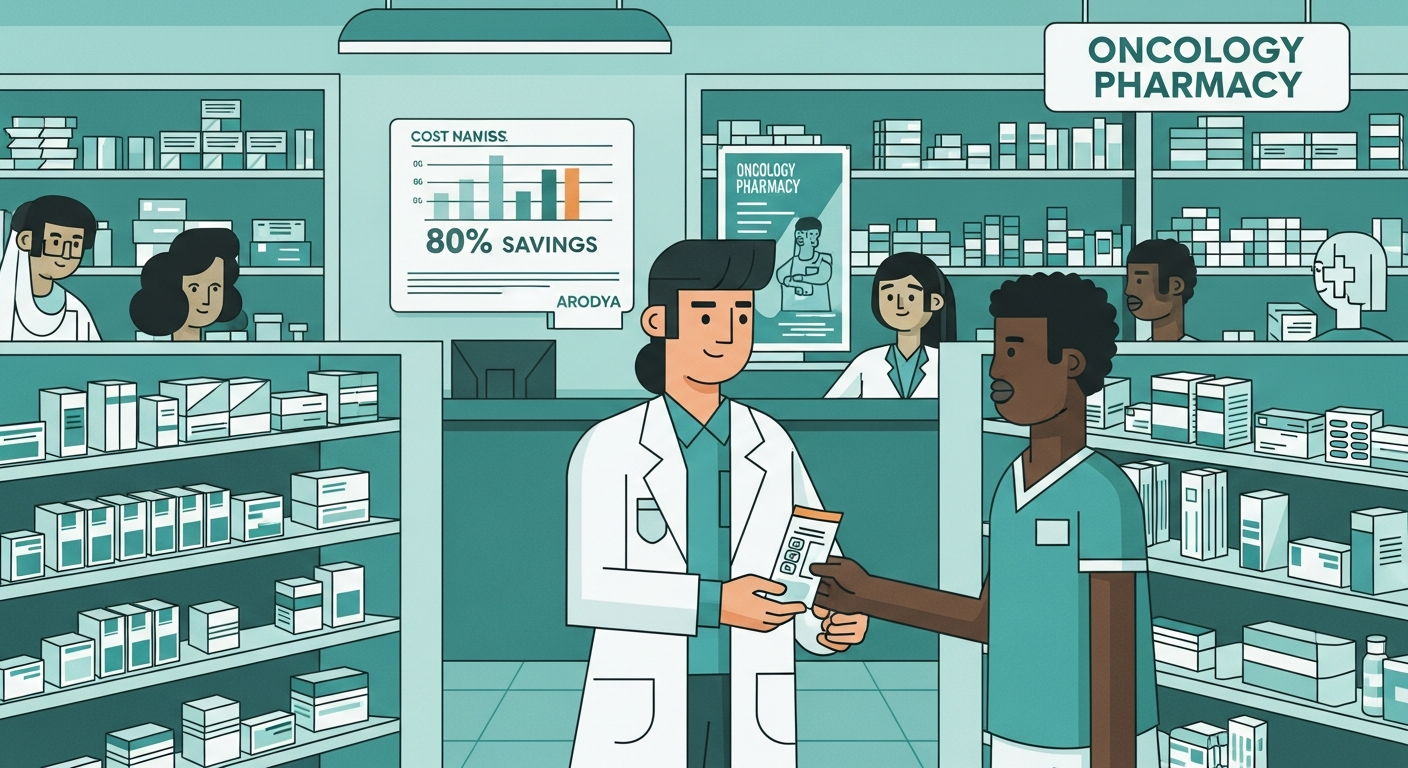
- Maintenance therapy drugs: Oral agents like lenalidomide, imatinib, or ibrutinib can often be sourced from India and couriered, or sourced locally through specialist oncology pharmacies.
- Monitoring investigations: Indian teams provide detailed protocols specifying which blood tests, scans, or bone marrow biopsies are required at what intervals, which local teams can perform.
- Telemedicine follow-up: Most major Indian haematology centres offer video consultation for international patients, allowing review of monitoring results without travel.
- When to return to India: Indian teams specify trigger criteria — a rise in paraprotein, return of circulating blasts, disease progression on imaging — that require return for in-person assessment and treatment change.
Arodya maintains the continuity link between India visits — communicating between the Indian team and any local treating doctors, facilitating urgent appointments when deterioration occurs, and helping plan return visits efficiently.
Practical Considerations: Cost Planning for Blood Cancer Treatment
Blood cancer treatment involves multiple cost components that should be budgeted separately:
Initial workup: If you arrive without complete diagnostic workup, Indian hospitals will conduct bone marrow biopsy, PET-CT, FISH cytogenetics, and comprehensive bloodwork. Total diagnostic workup cost: USD 1,500 to 3,000.
Chemotherapy cycles: Each induction cycle involves drug costs (the largest variable), clinic or hospital fees for administration, and monitoring blood counts. Drug costs vary enormously based on regimen — standard CHOP/RCHOP is inexpensive; daratumumab-containing regimens cost more.
Hospitalisation: Some chemotherapy cycles require two to three night inpatient stays (particularly the first cycle for close monitoring); others are administered in the day care unit. Day care costs are significantly lower than inpatient.
Stem cell transplant: If proceeding to ASCT, budget the USD 20,000–30,000 as a distinct cost block from chemotherapy. This covers the hospitalisation period but not the preceding induction cycles.
Supportive drugs: Growth factors (G-CSF), antimicrobials, antiemetics, bisphosphonates — these add USD 500 to 1,500 per chemotherapy cycle depending on the regimen.
Accommodation: For companions during longer treatment stays, budget USD 30 to 80 per night for on-campus guest houses, or USD 50 to 120 for nearby service apartments.
Arodya provides a comprehensive cost estimate — broken into components — after reviewing your case. This allows realistic financial planning before commitment.
Starting Your Blood Cancer Treatment Journey
Blood cancer requires urgent action and expert oncological assessment. Submit your case for a free review — send your bone marrow biopsy reports, PET-CT scan, blood counts, and any prior treatment records. An Indian haematologist reviews your case and provides a treatment pathway recommendation within three to five working days.
For a broader understanding of how Arodya navigates complex cancer treatment journeys, see our guide to cancer treatment costs in India versus the USA and UK. The cost difference is real, and the clinical quality at India's top centres is benchmarked to international standards. Do not delay seeking treatment because of distance or cost uncertainty — let us help you find the path forward.