Medical Tourism India Q1 2026: Key Trends, Statistics, and What to Expect Next
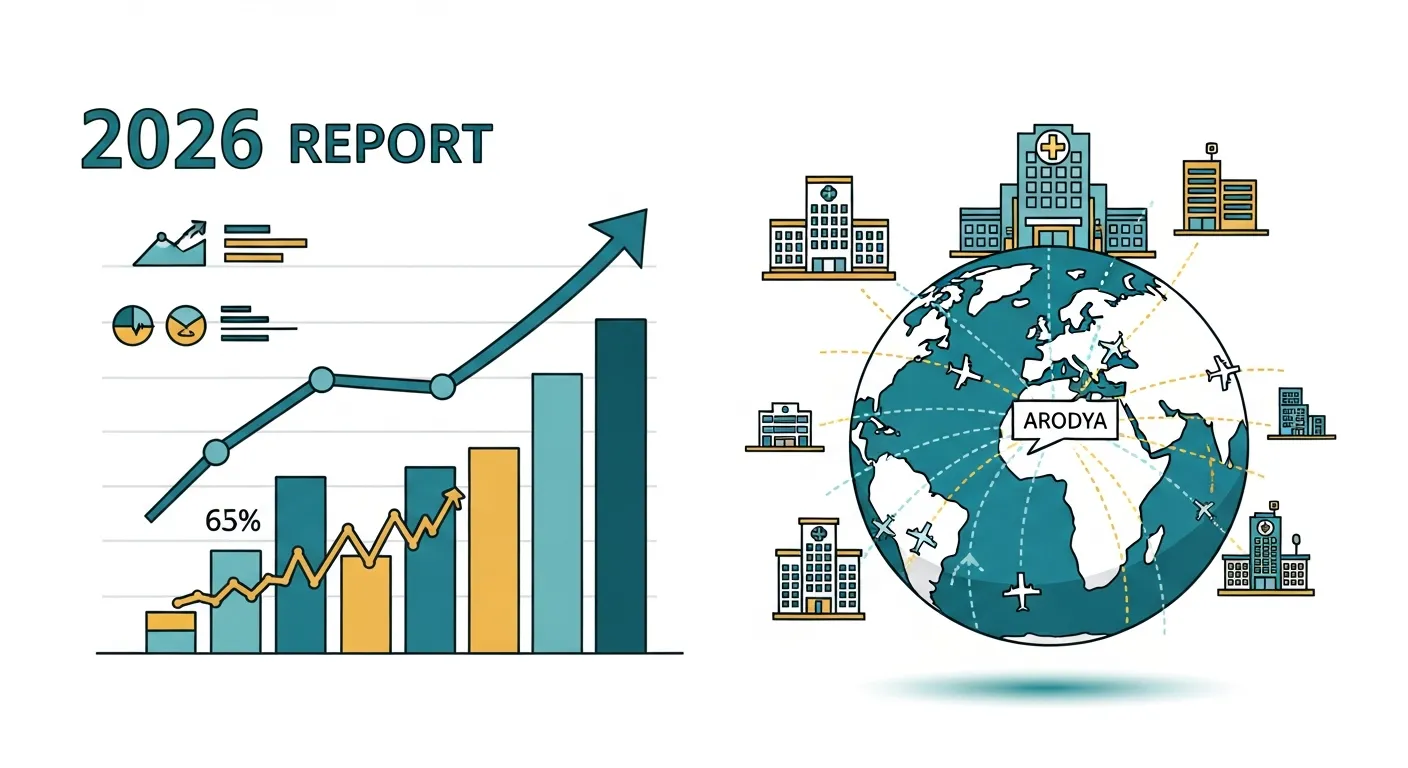

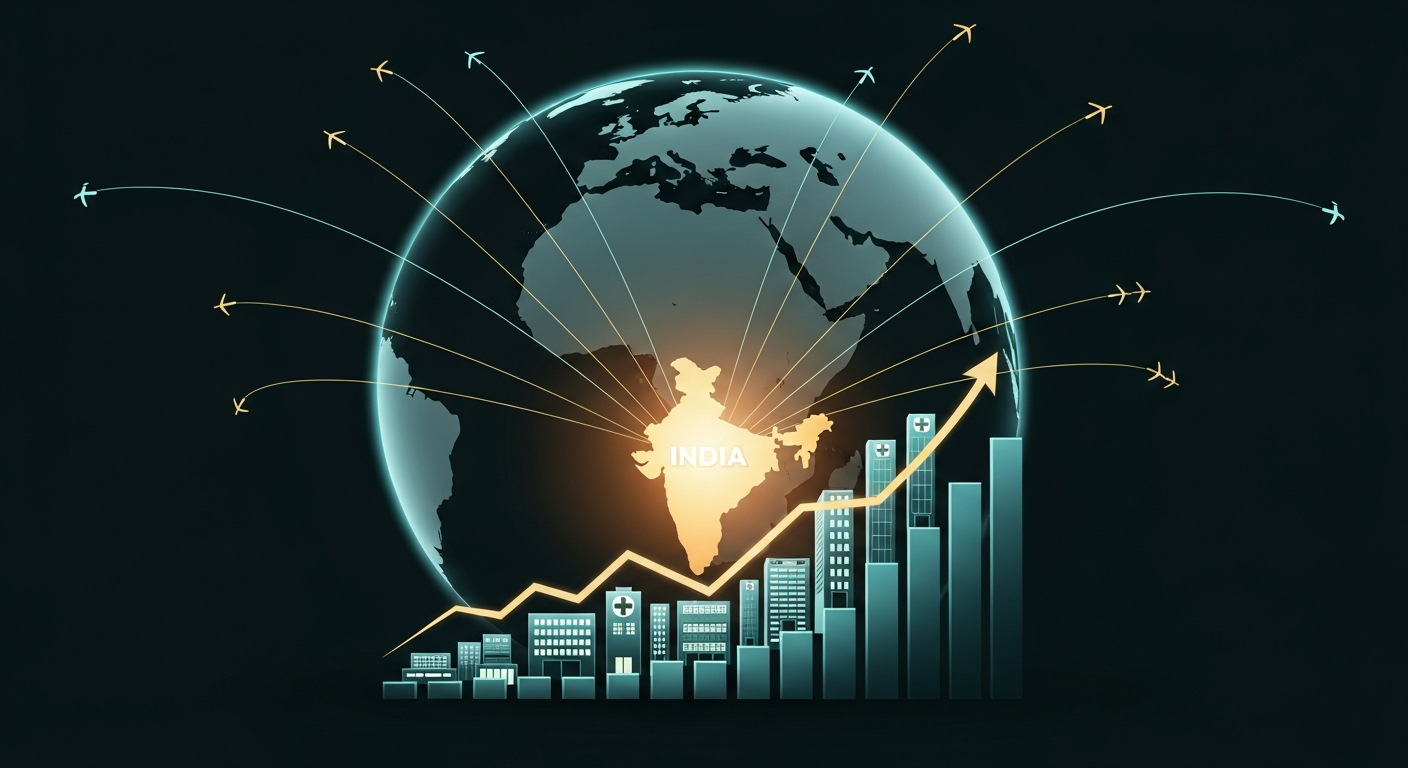
The first quarter of 2026 has confirmed that India's position as the world's leading medical tourism destination continues to strengthen. Patient volumes are up, new hospital capacity is coming online, and government policy is actively supporting the sector. For international patients — particularly those from sub-Saharan Africa — the practical implications are more options, shorter wait times, and continued cost advantages.
TL;DR: India's medical tourism sector grew 15–18% in Q1 2026 compared to Q1 2025, with African patient arrivals rising an estimated 18–22% year-over-year. Key trends include expanded robotic surgery capacity, telemedicine integration for pre- and post-treatment care, government initiatives like Heal in India, and new hospital campuses opening in Delhi, Mumbai, and Chennai. Treatment costs remain 60–85% lower than Western equivalents.
African Patient Arrivals: Continued Growth
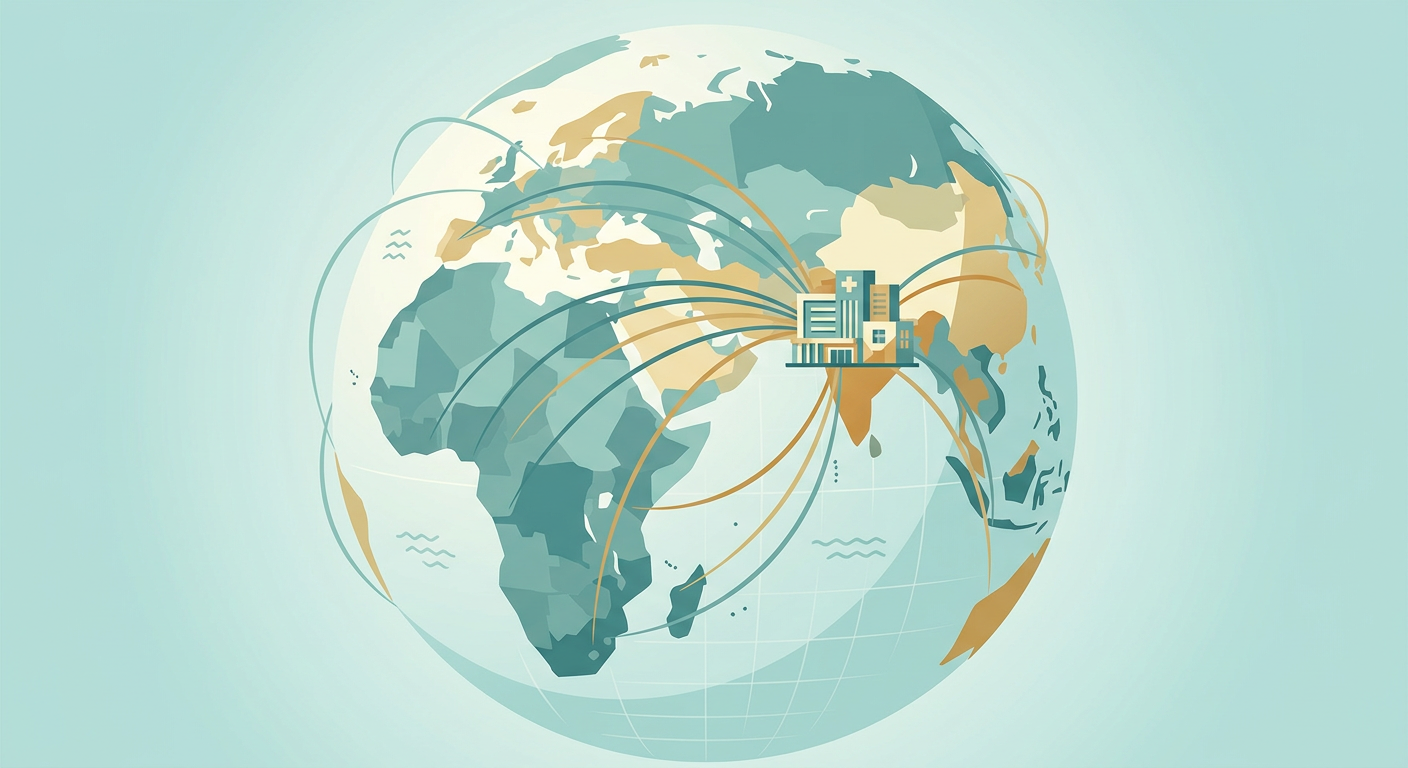
The most notable trend in Q1 2026 has been the sustained increase in patients travelling from sub-Saharan Africa. Nigeria, Kenya, Ghana, Ethiopia, Tanzania, and Uganda continue to be the largest source markets, with provisional data suggesting 18–22% year-over-year growth from the region.
Several factors are driving this trend. Referral networks have matured — patients who received successful treatment in India are recommending the same hospitals to family and community members. Hospital international patient departments have hired Africa-focused coordinators who understand the specific needs of patients from the region. And the cost gap between local private healthcare and Indian treatment continues to narrow for complex procedures, making the travel-for-treatment calculation increasingly favourable.
The most requested treatments from African patients remain cardiac surgery, orthopaedic procedures including joint replacement, oncology, neurosurgery, and fertility treatments. Organ transplantation — particularly kidney and liver — also sees significant demand, though regulatory requirements around living donors add complexity.
Government Initiatives: Heal in India and Beyond
India's central government has continued to expand the Heal in India programme, which aims to position the country as a structured, regulated medical tourism hub rather than leaving the sector entirely to market forces.
Key policy developments in Q1 2026:
- Expanded e-Medical Visa eligibility: Several additional African countries gained access to the e-Medical Visa system, reducing processing times from 10–14 days to 5–7 days for most applicants.
- Accreditation standards for international patient services: New guidelines require designated medical tourism hospitals to maintain dedicated international patient departments, offer multilingual discharge summaries, and provide transparent cost estimates before treatment begins.
- Ayushman Bharat international extension: The government has announced pilot programmes exploring whether elements of the Ayushman Bharat health insurance scheme could be extended to select categories of international patients, though implementation details remain under development.
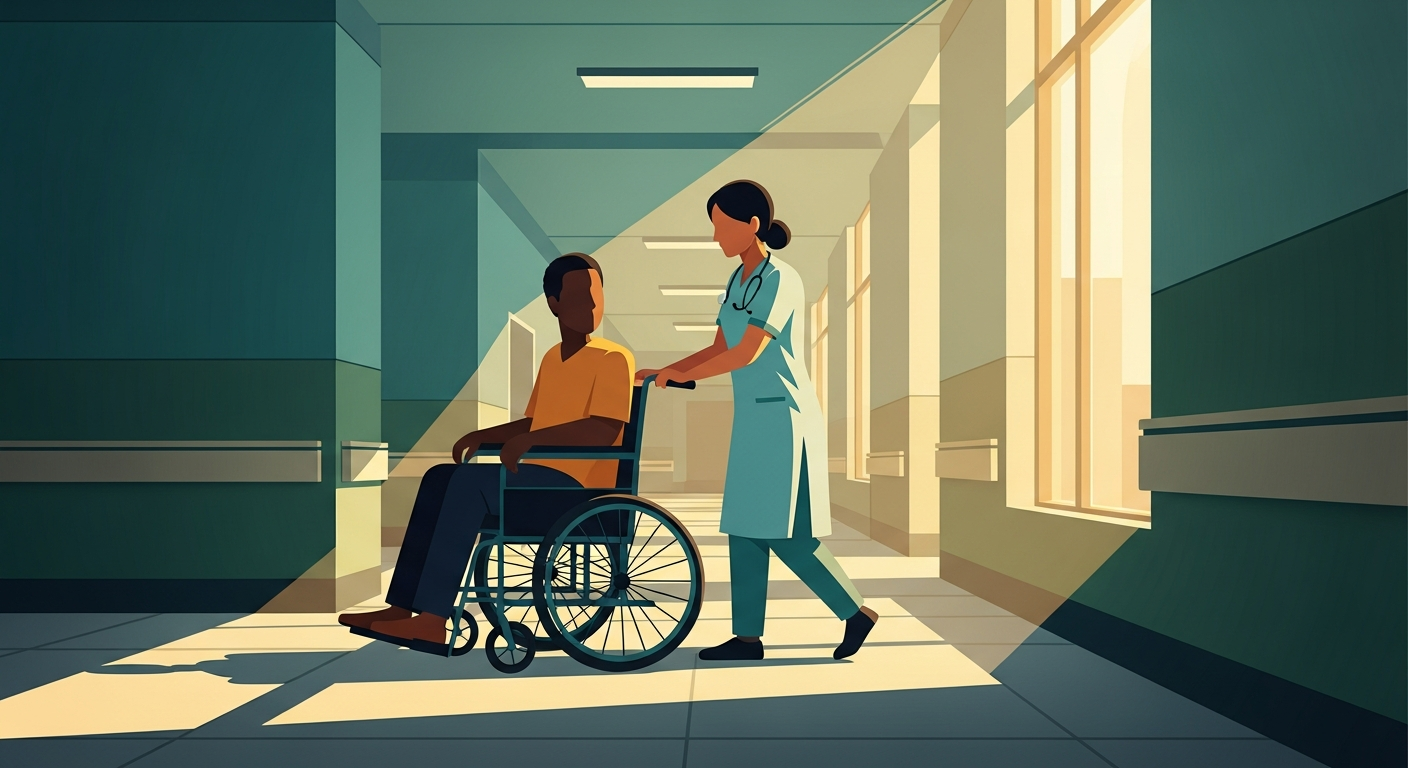
- Airport medical lounges: Delhi, Mumbai, and Chennai airports now have dedicated medical tourism assistance counters that help arriving patients with wheelchair services, hospital transfers, and SIM card activation.
These initiatives signal a long-term government commitment to the sector. For international patients, the practical benefit is a more standardised, predictable experience across hospitals.
Robotic Surgery: Expanding Access
One of the most significant infrastructure trends in Q1 2026 is the continued expansion of robotic surgery capacity. India now has over 150 robotic surgical systems installed across major hospital chains, up from approximately 100 in early 2025.
This growth matters for international patients because robotic surgery typically means smaller incisions, less blood loss, shorter hospital stays, and faster recovery — all of which reduce total trip duration and out-of-pocket costs. Procedures where robotic surgery has become increasingly standard in India include prostate surgery, gynaecological procedures, cardiac valve repair, colorectal surgery, and kidney surgery.
The cost premium for robotic versus conventional laparoscopic surgery in India ranges from 15–30%, but the absolute cost still remains a fraction of what the same robotic procedure costs in the USA or Europe. A robotic myomectomy in India costs USD 3,000–5,000 versus USD 18,000–25,000 in the USA.
Telemedicine Integration
Perhaps the most patient-friendly trend is the widespread adoption of telemedicine for both pre-treatment consultations and post-treatment follow-up. In Q1 2026, most major Indian hospitals now offer structured telemedicine programmes that allow international patients to consult with their Indian specialists before travelling and to maintain follow-up care after returning home.
How telemedicine is changing the patient journey:
- Pre-travel consultations: Patients can have a video consultation with their intended surgeon before committing to travel. This helps set realistic expectations about outcomes, timeline, and costs.
- Post-treatment follow-up: Scheduled video calls at 2 weeks, 1 month, and 3 months after returning home allow the Indian surgical team to monitor recovery, adjust medications, and address concerns without requiring the patient to travel back.
- Second opinions: Telemedicine makes it easier for patients to get a second opinion from an Indian specialist before deciding on treatment, which is particularly valuable for complex cases.
The technology infrastructure supporting this has improved significantly. Most hospitals now use secure, HIPAA-compliant platforms that work reliably with the internet speeds available in African urban centres.
New Hospital Capacity
Q1 2026 saw several major hospital expansion announcements and completions that will increase capacity for international patients:
- Multiple hospital chains opened new facilities or expanded existing campuses in Delhi-NCR, Mumbai, and Bangalore
- Chennai and Hyderabad saw new super-speciality towers commissioned, adding beds specifically allocated for international patients
- Several hospitals launched dedicated recovery centres near their main campuses, offering hotel-style accommodation with nursing support for post-discharge international patients
This additional capacity is important because it reduces wait times for elective procedures. In 2024 and 2025, some international patients experienced 3–4 week waits for popular surgeons. The expanded infrastructure should bring average wait times down to 1–2 weeks for most procedures.
Emerging Specialities
Beyond the traditional strongholds of cardiac surgery, orthopaedics, and oncology, Q1 2026 data shows growing international patient interest in several specialities:
- Precision oncology: Genomic testing-guided cancer treatment is increasingly available and affordable in India, attracting patients seeking personalised treatment protocols
- Epilepsy surgery: Comprehensive epilepsy surgery programmes are drawing patients from countries where this speciality barely exists
- Bariatric and metabolic surgery: Rising obesity rates globally are driving demand for weight-loss surgery in India
- Fertility treatment and IVF: India's IVF success rates have continued to improve, and costs remain a fraction of Western alternatives
- Reconstructive surgery: Post-trauma and post-burn reconstruction cases are increasing from conflict-affected African regions
Predictions for the Rest of 2026
Based on Q1 trends, several developments are likely for the remainder of the year:
Patient volumes are projected to cross 900,000 international patients for the full year, up from approximately 770,000 in 2025. African markets are expected to account for an increasingly larger share.
Costs will likely rise modestly by 5–8% due to inflation, technology investment, and increased demand. However, the fundamental cost advantage — 60–85% lower than Western countries — will remain substantial.
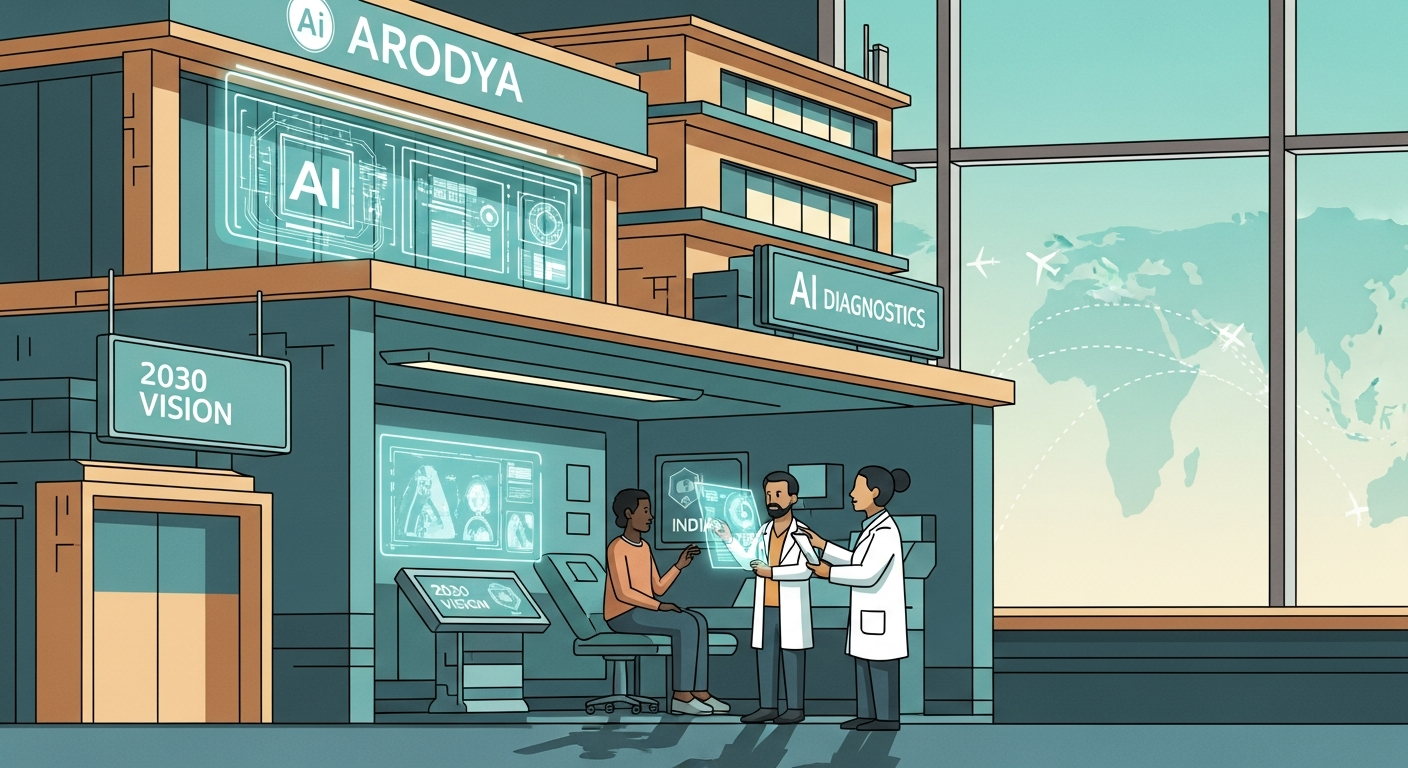
Technology adoption will continue accelerating, with AI-assisted diagnostics, robotic surgery, and proton beam therapy becoming more widely available and affordable.
Government regulation will increase, which should benefit patients through greater transparency and standardisation, even if it adds administrative requirements for hospitals.
What This Means for Patients Considering Treatment in India
The trends point toward a sector that is becoming more accessible, more structured, and more patient-friendly. For international patients evaluating their options, Q1 2026 suggests that now is a practical time to consider India — capacity is expanding, technology is improving, and the policy environment actively supports international patients. Starting with a free case review allows you to understand your specific options without commitment.