International Day of Families 2026: Family Support During Medical Travel to India
International Day of Families 2026: Family Support During Medical Travel to India
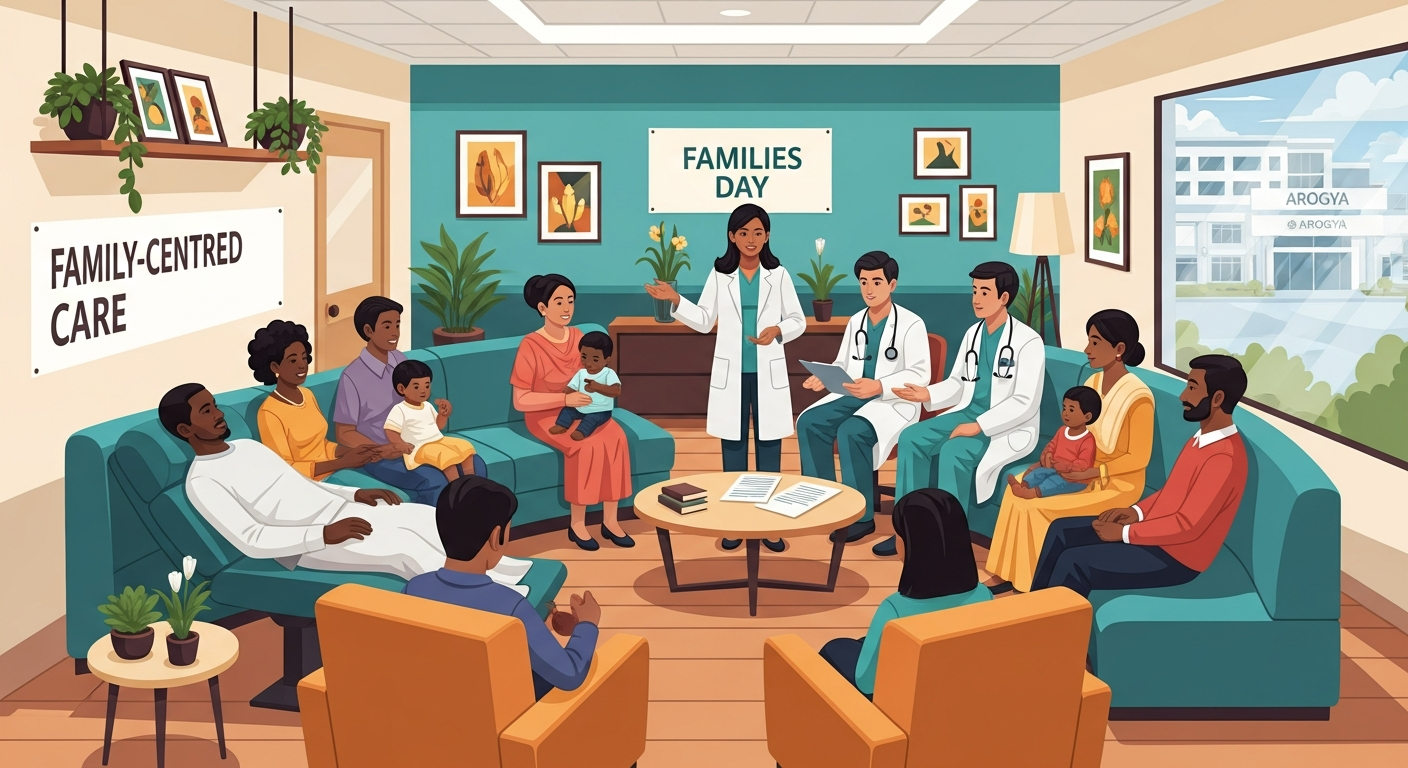
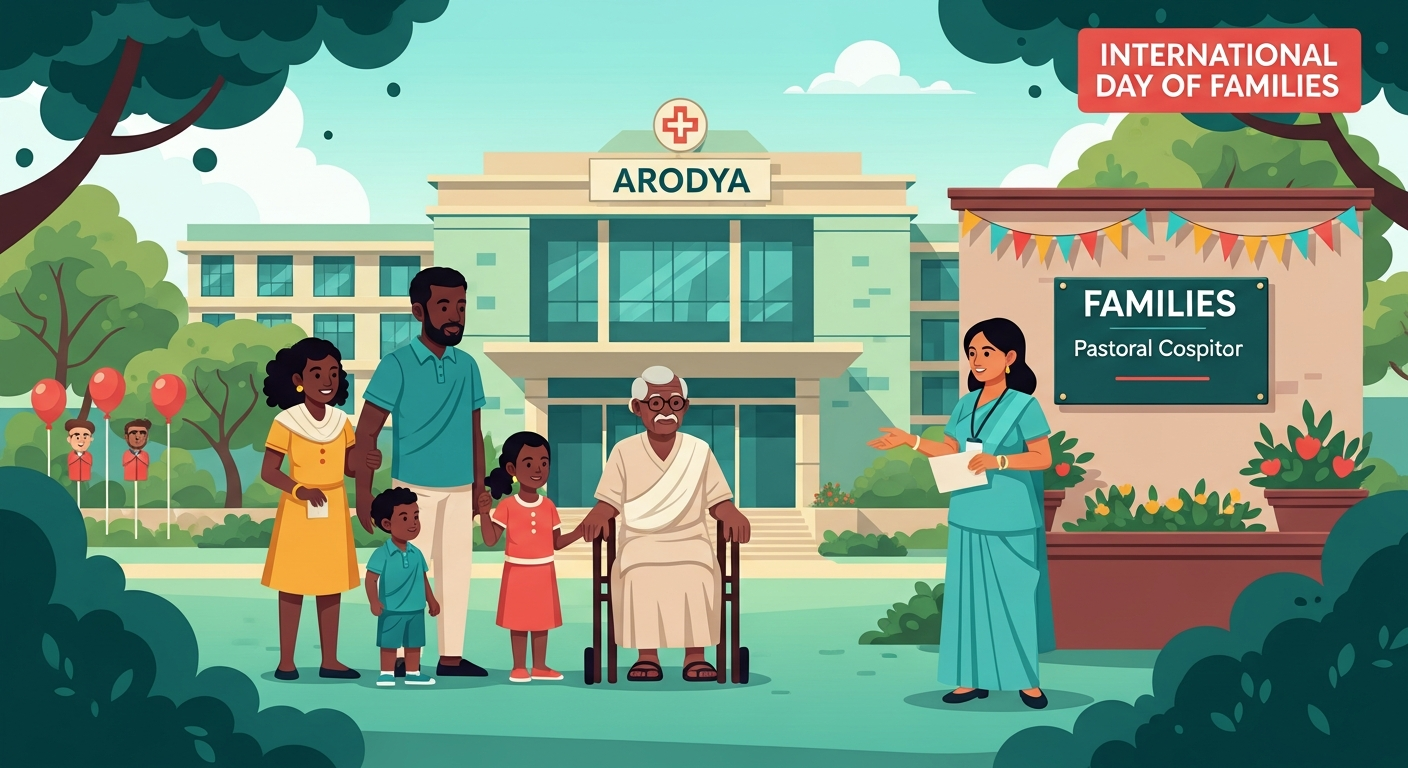
The United Nations International Day of Families, observed each year on May 15, recognises what healthcare professionals have known for decades: family is not separate from health. It is foundational to it. In the high-stakes context of medical travel — where a patient is sick, far from home, navigating an unfamiliar healthcare system in an unfamiliar country — family support is not a comfort. It is a clinical determinant of outcome.
For African patients travelling to India for treatment, managing the family dimension of the journey is one of the most overlooked but consequential aspects of planning. Who travels with the patient? How do those who stay behind stay informed? How do caregivers manage their own wellbeing while supporting a seriously ill family member? This guide addresses all of it.
TL;DR: Family presence during hospitalisation improves recovery outcomes by 25–35%. India's hospitals have family-inclusive visiting policies. One companion travels on a Medical Attendant Visa. Arodya provides a dedicated coordinator for family communication and logistics throughout the stay.
The Science of Family Support in Recovery
Before the logistics, it is worth understanding why family presence matters so profoundly.
A landmark meta-analysis published in the Journal of General Internal Medicine examined 47 studies on family involvement in hospitalised adult patients. Patients with active family participation demonstrated:
- Faster post-surgical recovery — average 2.3 fewer days to discharge
- Lower rates of post-operative delirium — a common complication in unfamiliar environments
- Significantly better adherence to discharge instructions, leading to lower readmission rates
- Reduced anxiety and depression scores during hospitalisation
- Better pain management — family members identified undertreated pain that patients did not report to staff
For international patients specifically, the benefits are amplified. A family member who understands the cultural and linguistic context can navigate communication with medical staff more effectively than the patient alone, particularly during post-anaesthesia disorientation or when medication side effects impair clear thinking.
India's hospitals understand this. Unlike European hospitals that historically restricted visiting to protect patient rest, Indian hospitals have evolved family-inclusive care models that welcome family members as part of the care team.
India's Cultural Alignment with African Family Values
One reason African patients often feel comfortable in India is cultural alignment around family. Indian society, like most African societies, treats illness as a family matter rather than an individual one. Decision-making around serious medical treatment typically involves elders, parents, or senior family members — a pattern that Indian hospitals handle naturally.
Indian hospital international patient departments are experienced in facilitating family meetings at key decision points: before major surgery, when treatment protocols change, and during discharge planning. Consent processes involve family members alongside the patient as a matter of course, not exception.
Indian medical culture also respects the role of prayer and faith in healing. Hospital chapels and prayer rooms are available. Religious dietary requirements — halal food, vegetarian meals — are accommodated. Family members bringing familiar religious items, praying at the bedside, or conducting quiet family rituals are accepted without disruption.
Practical Family Logistics: Who Can Come, and How
The Medical Attendant Visa
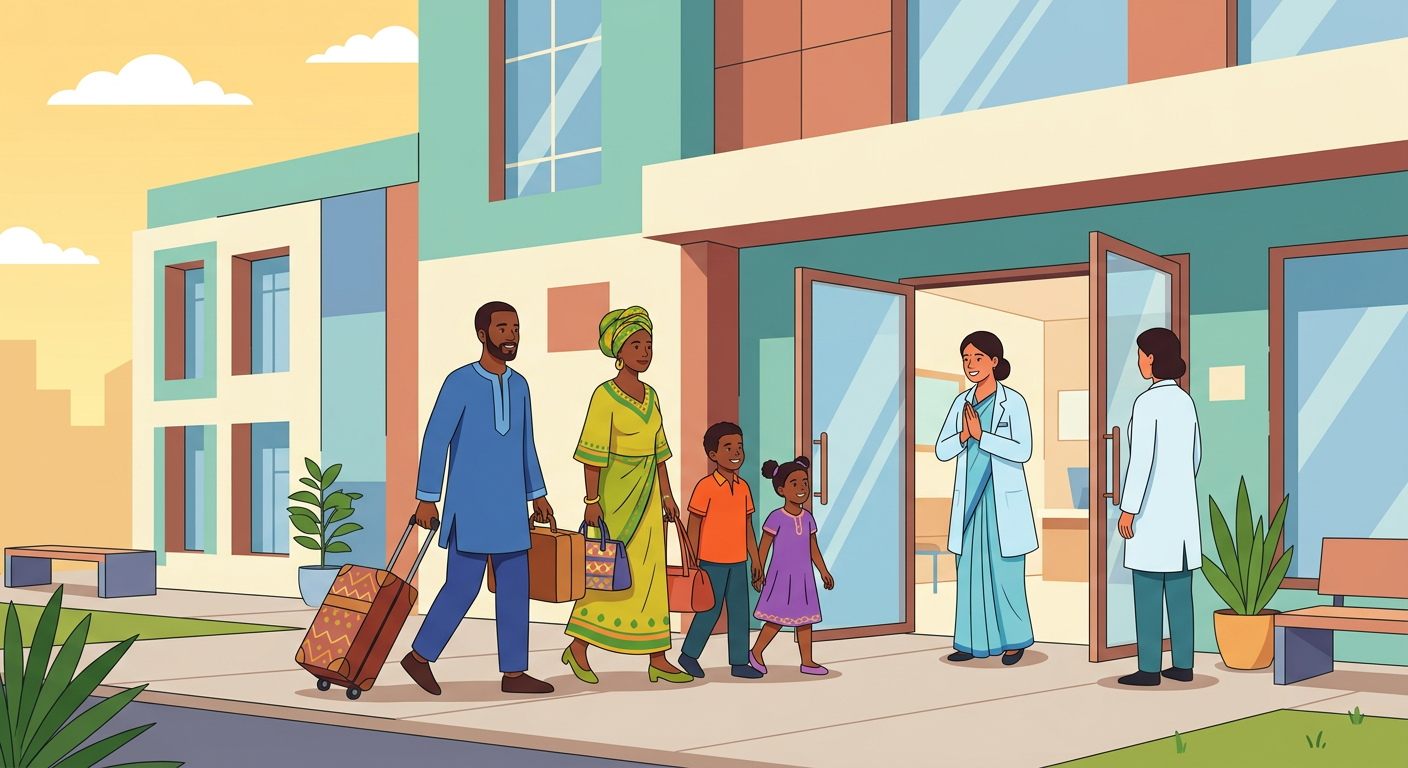
India's medical visa system formalises companion travel. When applying for a medical visa, one companion can simultaneously apply for a Medical Attendant Visa. This companion visa has the same duration as the patient's medical visa and is applied for and processed at the same time.
For patients who need more support — elderly patients, patients with cognitive difficulties, post-surgical patients with high care needs — some hospitals can write letters supporting a second companion. Processing: three to five business days for e-visa applications; slightly longer for visa applications at Indian embassies.
When to Bring a Companion Versus Travel Alone
Not every patient needs a companion — and for some, the financial cost of a companion's travel and accommodation means the tradeoff deserves careful thought. General guidance:
Strongly recommended to bring a companion:
- Major surgery requiring three or more weeks in India
- Elderly patients (over 70)
- Patients with language barriers
- Patients with any cognitive difficulty
- Complex treatments with significant side effect burden (major chemotherapy, transplant)
May be practical to travel without a companion:
- Outpatient procedures with same-day discharge
- Consultations and diagnostic workup only
- Young, fit patients undergoing routine procedures
- Patients with strong English and high health literacy
Arodya's coordinator assesses each case and advises on whether a companion is strongly advisable.
Managing Family Members Who Stay Behind
For most African families, the majority of the family unit stays home while one or two members travel with the patient. Managing information flow to those at home is critical — both for their peace of mind and for practical decision-making.
Designate one information hub. Identify one family member at home as the information relay — who receives updates from the travelling companion and shares them with the wider family. Multiple people calling the coordinator in India creates confusion and does not improve information quality.
Use WhatsApp groups strategically. A family WhatsApp group with the travelling companion posting daily updates works well. Keep medical detail for the designated information hub; general updates for the wider group.
Agree on decision-making authority. If a significant unexpected decision needs to be made — a change to the surgical plan, an additional procedure, an extended stay — who has authority to decide without convening a full family council? Agree this before travel.
Prepare practical arrangements at home. Children's schooling, elderly family members, household management — arrange these before departure so the travelling companion is not managing two crises simultaneously from abroad.
Caregiver Wellbeing: The Most Undervalued Factor
The family member who travels with the patient faces a particular psychological challenge: they must be strong for the patient while managing their own fear, grief, and anxiety. Caregiver burnout is real, even during a one-month India stay.
Practical strategies for travelling caregivers:
Get outside the hospital daily. Even thirty minutes walking outside the hospital campus resets perspective. India's cities have parks, markets, temples, and restaurants within walking distance of most major hospital clusters.
Maintain sleep. On-campus guest houses give family members the closest proximity to the patient, but the hospital sounds and anxious nights accumulate. Pack earplugs. Set a sleep schedule.
Eat well. Indian hospital food courts and nearby restaurants offer excellent, affordable, nutritious food. Do not survive on snacks and tea.
Stay connected with home. Regular WhatsApp video calls with children, friends, and other family members remind the caregiver that their own world continues and they will return to it.
Use Arodya's coordinator for emotional support. Your Arodya case manager is trained not just for logistics but for the human side of medical travel. If you need to talk through anxiety about an upcoming procedure, uncertainty about a diagnosis, or the stress of managing a critically ill family member alone in a foreign country, call your coordinator. This is part of the service.
Activities for Family Members in India's Hospital Cities
India's major hospital cities offer rich cultural experiences that help family members decompress between hospital visits.
Delhi: Red Fort, Qutub Minar, Humayun's Tomb (UNESCO World Heritage Sites), Lodi Garden for peaceful walks, Chandni Chowk market, India Gate, and the National Museum.
Mumbai: Marine Drive, Elephanta Caves (ferry from Gateway of India), Dharavi craft markets, Colaba neighbourhood, Sanjay Gandhi National Park within the city.
Chennai: Mahabalipuram temples (one hour south), Mylapore neighbourhood with its ancient Kapaleeshwarar Temple, Marina Beach (world's second longest urban beach), DakshinaChitra crafts village.
Bengaluru: Lalbagh Botanical Garden, Cubbon Park, ISKCON Temple, Tipu Sultan's Summer Palace, Nandi Hills day trip.
Arodya arranges half-day cultural excursions for family members on days without critical hospital commitments. These experiences reduce the tunnel vision that comes from spending all day in hospital waiting areas.
Arodya's Family Support Services
From your first case submission, Arodya asks about your family situation — who travels, who stays home, whether there are children, elderly companions, or special needs among family members. The trip plan we build accounts for the whole family, not just the patient.
Our family support services include companion visa application guidance, accommodation booking at family-suitable properties near the hospital, airport transfers coordinated for companions arriving at different times, daily updates to the designated family contact at home, caregiver emotional support from our coordination team, and cultural orientation for families new to India.
For families where the primary caregiver cannot travel — if the patient is accompanied by a friend, a distant relative, or even travels alone — Arodya's on-the-ground coordination team provides functional family support. We accompany patients to key appointments, handle logistics on their behalf, facilitate communication with the medical team, and ensure no patient navigates a critical medical moment in isolation. This is part of what it means to treat medical travel as a family matter, even when the family is far away.
Medical travel reshapes families. The families who navigate it best are those who plan early, communicate clearly, and access the support that is available to them. On International Day of Families, take a moment to plan the support structure that will carry your family through the journey ahead. Learn more about preparing for your first medical trip to India and reach out to Arodya to start planning together.