Family-Centred Care in Indian Hospitals: Guide for African Patients & Families 2026

Family-Centred Care in Indian Hospitals: Guide for African Patients & Families 2026
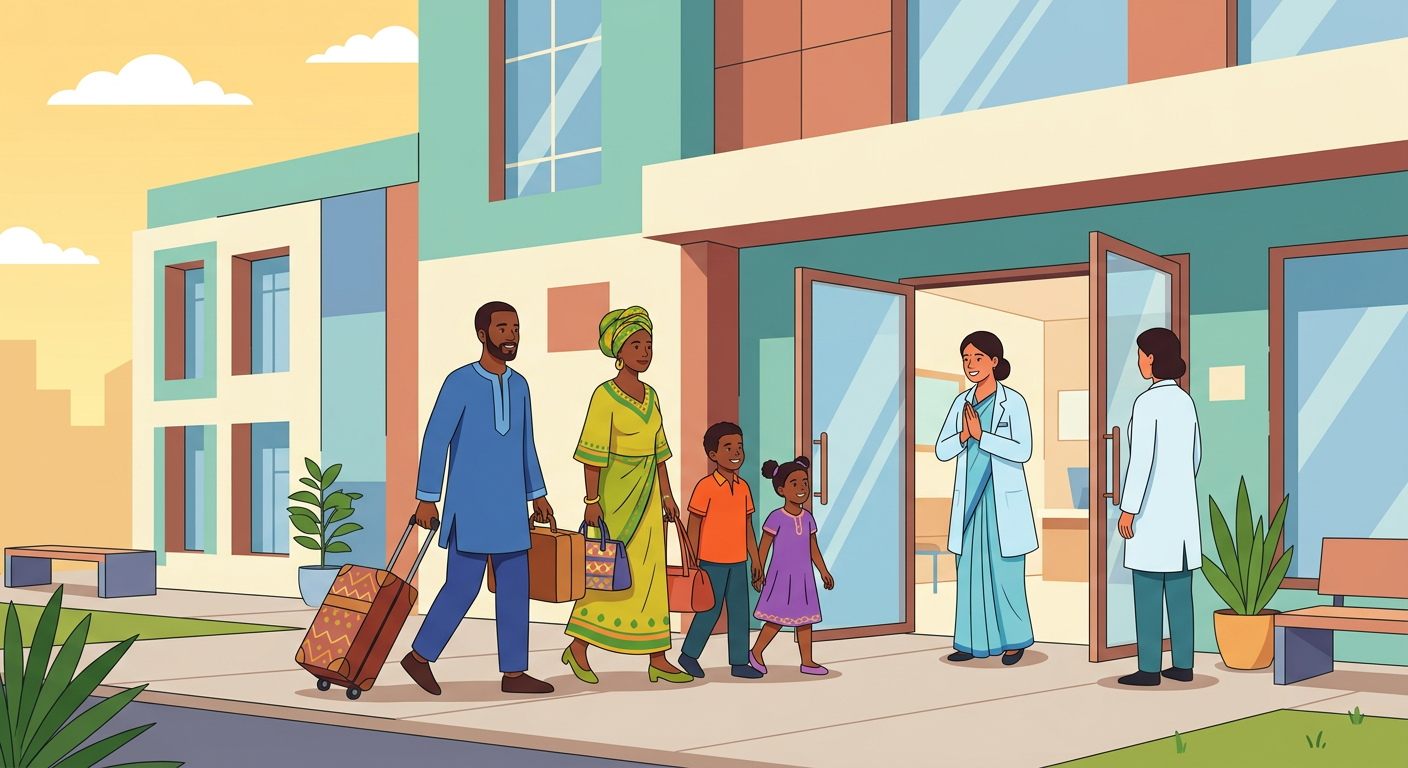
Every year on May 15, the United Nations International Day of Families calls attention to the central role families play in health, wellbeing, and human development. In the context of medical travel, no theme could be more relevant. For African patients travelling to India for treatment, family is not a nice-to-have addition to the journey — it is often the decisive factor in whether treatment succeeds.
India's healthcare culture has always recognised this. Indian hospitals, shaped by a society that treats illness as a family concern rather than an individual one, have developed care models that actively incorporate family members. For African patients accustomed to bringing their entire extended network to hospital visits at home, this cultural alignment makes India a more comfortable destination than Western countries with strictly regulated, individual-centred care.
This guide explains how Indian hospitals approach family-centred care, what you can practically arrange for accompanying family members, and how Arodya supports the whole family — not just the patient.
TL;DR: Research shows 30% better recovery outcomes with active family involvement. Indian hospitals allow companion visitors with flexible policies. The medical attendant visa allows one companion to travel officially. Most hospitals have family accommodation on-campus or adjacent. Arodya coordinates family logistics alongside patient care.
Why Family Presence Improves Medical Outcomes
The research on family involvement in recovery is compelling and consistent. A meta-analysis of 47 studies published in the British Medical Journal found that patients with active family support during hospitalisation experienced 25 to 35 percent faster recovery from surgery, significantly lower rates of post-surgical depression and anxiety, better adherence to post-discharge medication, and greater ability to communicate symptoms and concerns to the medical team.
For international patients in particular, a family member serves a critical functional role. They help with translation of nuance, cultural interpretation, and advocating for the patient's preferences in an unfamiliar system. When a patient is post-operative and disoriented, a family member who understands the diagnosis and care plan can communicate with the medical team on their behalf.
Indian hospitals understand this. Unlike some Western hospitals that restrict visitors to protect patient rest, Indian hospitals typically have liberal visiting policies for international patients, recognising that family presence is part of culturally appropriate care.
Companion Visa: Bringing Family Officially
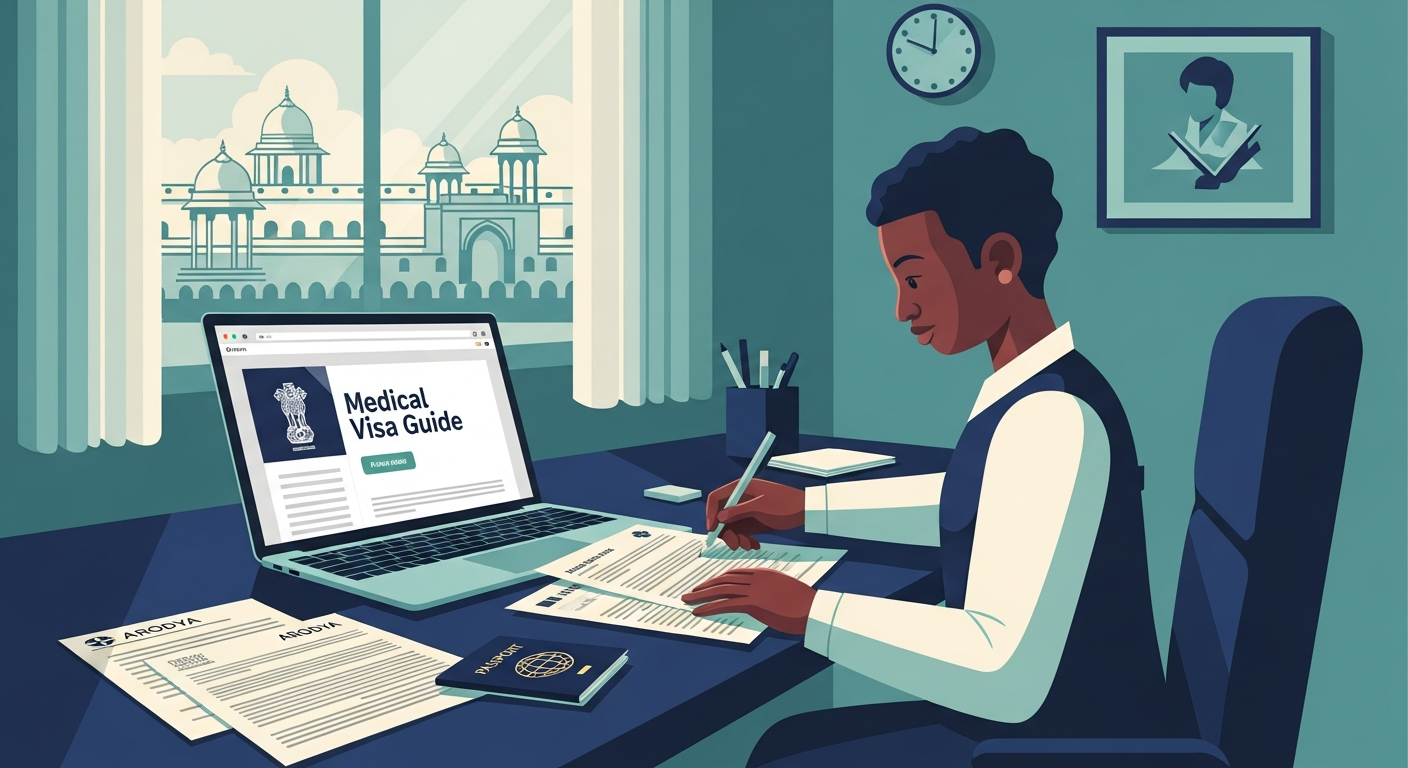
India's medical visa system formally recognises family accompaniment. When applying for a medical visa, you can simultaneously apply for a Medical Attendant Visa for one companion. This companion visa:
- Has the same duration as the patient's medical visa
- Allows the companion to stay in India throughout the treatment period
- Costs the same as a standard e-visa (approximately USD 25 for e-visa applications)
- Requires only the hospital invitation letter and proof of relationship to the patient
For patients requiring intensive support — especially post-surgical patients, elderly patients, or patients with significant language barriers — having a legally documented companion from arrival to departure removes ambiguity. The companion can assist with hospital registration, pharmacy collections, and the hundred small tasks of daily life near a hospital.
Family Accommodation Options Near Indian Hospitals
One of the most common questions from African families planning medical travel is where companions will stay. Indian hospitals have thoughtfully addressed this.
On-campus guest houses: Most major hospitals — Apollo, Fortis, Medanta, Max Healthcare, BLK-Max, Manipal — operate guest houses or service apartments within the hospital campus or within a five-minute walk. These typically offer basic but comfortable rooms at USD 30 to 80 per night, with kitchen facilities and proximity to the ward. Being on-campus means family can visit at any hour and is quickly available in the event of any development.
Adjacent service apartments: Around every major hospital cluster in Delhi, Mumbai, Chennai, and Bengaluru, there are service apartment complexes that have evolved specifically to serve medical travel families. These offer more space, cooking facilities, and sometimes family-oriented layouts, at USD 40 to 120 per night.
Dharamshala (free/subsidised accommodation): For families with financial constraints, many Indian hospital trusts operate dharamshalas — traditional charitable accommodation facilities — adjacent to hospitals, offering low-cost or no-cost rooms for patient families. Availability is limited and must be arranged in advance. Arodya can advise on eligibility.
How Indian Hospitals Involve Families in Medical Decisions
India's medical culture is explicitly family-centred in its consent and communication processes. Key practices at international-level Indian hospitals:
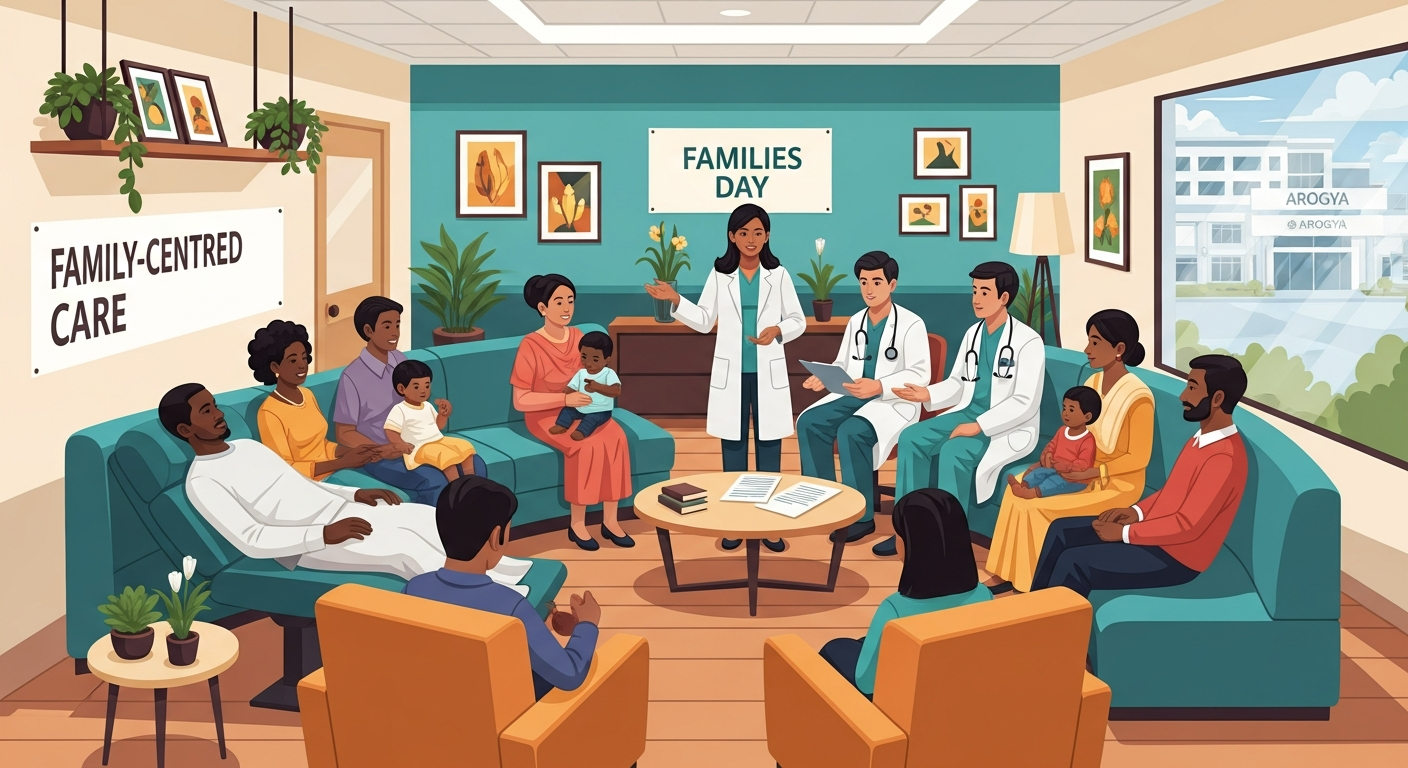
Informed consent meetings: Before major surgery, the surgical team typically holds a family meeting to explain the procedure, risks, and expected outcomes. Family members are invited to ask questions. This is standard practice, not an exception.
Coordinator as liaison: International patient departments assign a dedicated coordinator who is the family's named point of contact. This coordinator attends morning rounds and relays updates, translates medical terminology, and escalates concerns to the clinical team.
Family involvement in discharge planning: Before a patient is discharged, a structured session with the family covers wound care, medication management, signs of complications, and when to seek emergency help. For international patients who will be returning to Africa, this is particularly thorough — Indian teams understand that follow-up in the home country may be limited.
Religious and cultural sensitivity: Indian hospitals respect diverse religious practices. Prayer rooms, halal food options, and culturally sensitive nursing care are standard at hospitals with international patient departments. Family members can bring familiar religious items without restriction.
Managing Family Anxiety During Treatment
Anxiety during a family member's serious treatment is universal. For African families dealing with the added stress of distance from home, unfamiliar food, language, and financial pressure, it can become overwhelming. Practical strategies:
Stay informed, not overwhelmed. Establish a single point of truth — one family member who receives updates from the hospital coordinator and relays information to the wider family. Too many people calling the hospital coordinator creates confusion and does not improve information flow.
Maintain structure. Even in a foreign city, establish a daily routine: meals at regular times, a morning walk, video calls home at a fixed hour. Structure reduces the sense of helplessness that comes with waiting.
Use Arodya's coordinator. Your Arodya case manager is not just for the patient — they support the accompanying family too. If you need help navigating a difficult medical conversation, understanding a treatment change, or managing an unexpected development, call your Arodya coordinator first.
Explore the city thoughtfully. India offers extraordinary culture within reach of every hospital city. Arodya arranges half-day cultural tours, visits to markets, and safe city exploration for family members between hospital visits. These are not distractions — they are necessary mental health support.
Special Considerations for Multi-Generational Family Groups
African families often travel with multiple generations — grandparents, adult children, sometimes young children accompanying an elderly parent. Each age group has specific needs:
Young children accompanying a family member: Indian hospitals typically allow children to visit patients. Guest houses near hospitals can accommodate families with children. School-age children may miss classes — arrange a letter from the school acknowledging medical travel circumstances.
Elderly companion accompanying a younger patient: If an elderly person is accompanying the patient, ensure their own health needs are considered. Obtain their own travel medical insurance. Bring their medication supply with documentation.
Multiple family members rotating accompaniment: For longer treatments, plan a rotation where one family member is present at a time. Arodya helps coordinate these transitions — handover between family members includes an update from the medical team at the point of changeover.
Arodya's Family Support Services
Arodya's free case evaluation extends beyond the patient. When you submit your case, tell us about your family situation — how many companions plan to travel, any special needs among family members, and any concerns about managing a long stay abroad. We design the logistics of your entire trip around your family, not just your medical appointment.
Our coordination covers companion visa applications, family accommodation booking, airport transfers for companions arriving at different times, and cultural orientation for families unfamiliar with India. We have supported families from across Africa navigating every combination of circumstances — large families, elderly companions, families with young children, and patients travelling alone who need hospital-arranged family support.
Practical checklist for families planning medical travel to India:
- Designate one primary companion to travel with the patient
- Identify the family information hub at home
- Apply for companion Medical Attendant Visa simultaneously with patient medical visa
- Book accommodation near the hospital before departure (Arodya provides negotiated rates)
- Ensure the companion has travel insurance covering their own health needs
- Pack comfort items from home — familiar food if possible, religious items, music
- Install WhatsApp and ensure reliable international data plan
- Download offline maps for the hospital city
- Arrange home responsibilities (children, elderly relatives, household) before departure
Medical travel is a family decision. International Day of Families is a good moment to recognise that the most successful medical journeys to India are those where the family is informed, prepared, and supported from day one. Learn more about preparing for your first medical trip to India and contact us to start planning together.