Heart Transplant in India: Complete Guide to Cardiac Transplantation and Advanced Heart Treatment


TL;DR: Heart transplant in India costs USD 40,000–60,000 — versus USD 1 million+ in the USA. India performs 250+ heart transplants annually at centres including Fortis Escorts, Apollo, and Medanta. Deceased donor allocation follows a national registry (NOTTO) — international patients are listed after resident patients. Success rate (1-year survival): 85–88%. Application to listing: 4–8 weeks. (NOTTO India, 2023)
Heart failure affects more than 64 million people globally, and end-stage disease — where a transplant becomes the only option — carries a median survival of less than two years without intervention. (ESC Heart Failure Journal, 2021). In the USA, the transplant and first-year care costs exceed USD 1 million. India offers equivalent outcomes — 85–90% one-year survival, experienced surgical teams, and JCI-accredited facilities — at USD 40,000–60,000 for the procedure itself. This guide explains the process, the realistic expectations, and what patients from Africa need to know.
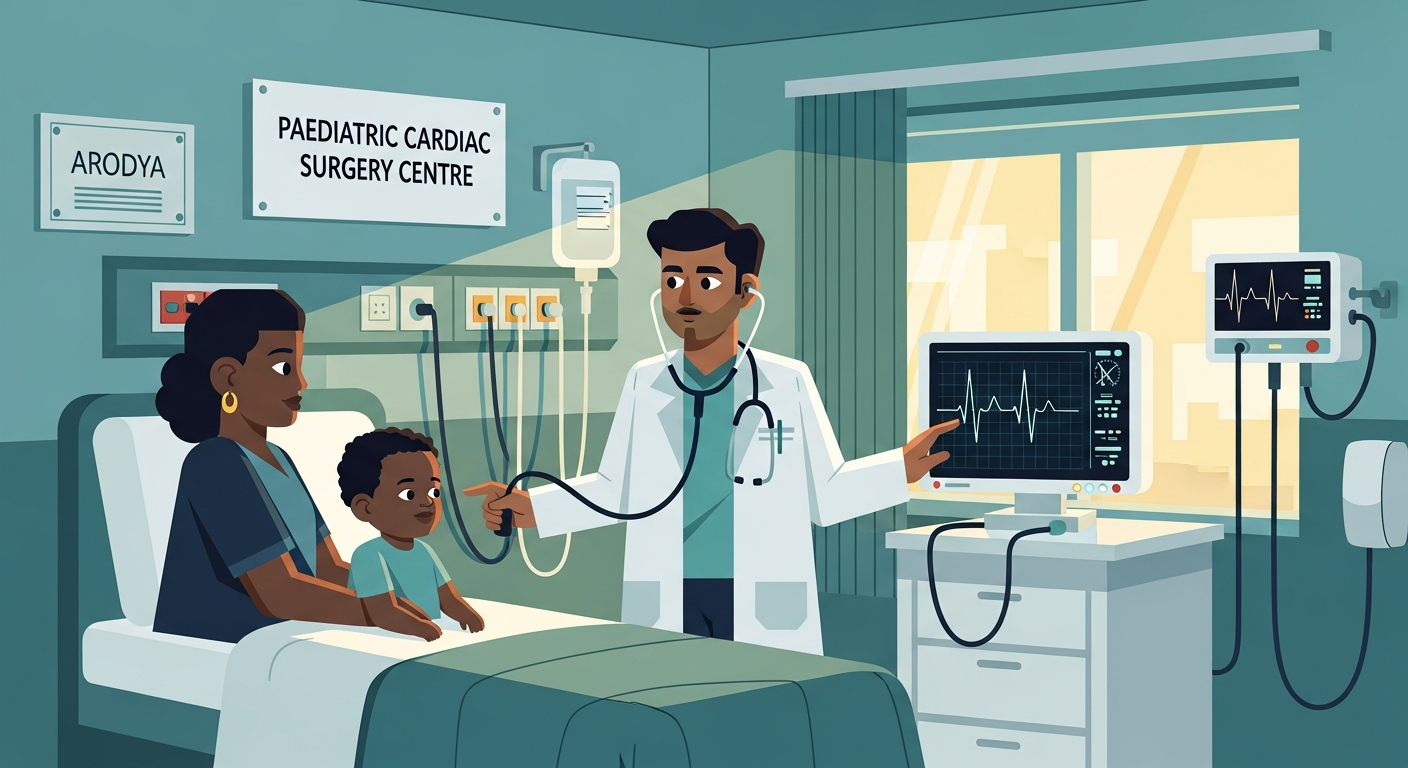
Understanding Heart Transplantation
Definition and Scope
Heart transplantation replaces a failing heart with a healthy donor heart. It is the definitive treatment for end-stage heart failure when all medical therapies, device therapy, and conventional surgery have failed. India's cardiac transplant surgeons complete an MBBS, an MS in Cardiothoracic Surgery, and international fellowship training — typically in the USA or UK — before joining transplant programmes.
Types of Transplantation
- Orthotopic heart transplant: Diseased heart is removed and donor heart placed in its position (most common procedure)
- Heart-lung transplant: For combined heart and lung failure
- Heterotopic heart transplant: Rare auxiliary procedure
Indications for Heart Transplant:
- End-stage heart failure (NYHA Class IV)
- Dilated cardiomyopathy and ischaemic cardiomyopathy
- Restrictive cardiomyopathy, cardiac amyloidosis
- Congenital heart disease with irreversible failure
- Intractable cardiac arrhythmias
Key Contraindications:
- Active infection or malignancy
- Fixed pulmonary hypertension
- Irreversible hepatic or renal disease
- Significant non-compliance history
Why Choose Heart Transplant in India?
How Do Costs Compare to the USA?
The cost difference between India and Western countries for heart transplantation is among the largest in medicine. The procedure and first year of care costs USD 280,000–430,000 in India, versus USD 1,200,000–1,500,000 in the USA. (Medical Tourism Association, 2023). That represents a saving of more than USD 1 million for the same procedure with comparable 1-year survival outcomes.
Citation capsule: Heart transplant surgery in India costs USD 40,000–60,000 for the procedure — compared to USD 1,200,000–1,500,000 total cost in the United States, according to the Medical Tourism Association (2023). India's leading centres report 1-year patient survival of 85–90%, consistent with international registry data from the International Society for Heart and Lung Transplantation (ISHLT).
Cost Comparison:
| Component | USA | India |
|---|---|---|
| Heart transplant surgery | $500,000–800,000 | $40,000–60,000 |
| Hospital stay (4–6 weeks) | $100,000–200,000 | $25,000–40,000 |
| Immunosuppression (year 1) | $30,000–50,000 | $15,000–25,000 |
| Follow-up care (year 1) | $50,000–80,000 | $10,000–15,000 |
| Total year 1 | $1,200,000–1,500,000 | $280,000–430,000 |
World-Class Cardiac Transplant Centres
India's leading heart transplant centres feature:
Surgical Facilities:
- Advanced operating theatres with cardiopulmonary bypass technology
- ECMO (extracorporeal membrane oxygenation) capability
- Ventricular assist device (VAD) support systems
- IABP (intra-aortic balloon pump) availability
- Advanced cardiac imaging intraoperatively
Post-Operative Infrastructure:
- Dedicated cardiac ICU with 1:1 nursing ratios
- Advanced haemodynamic monitoring
- Renal replacement therapy capability
- Cardiac rehabilitation facilities
Diagnostic Equipment:
- 3D echocardiography and transesophageal echo (TEE)
- Cardiac MRI, PET-CT, coronary angiography
- Electrophysiology laboratory
Accreditation: JCI international certification, NABH, ISO quality management.
Highly Experienced Cardiac Transplant Surgeons
India's cardiac transplant surgeons typically carry 20–30 years of specialised experience, with hundreds of transplant procedures completed. Most hold international credentials from US or UK programmes. Leading names in Indian cardiac transplantation — at centres like Fortis Escorts, Medanta, and Apollo — are internationally recognised and publish in peer-reviewed journals.
Comprehensive Heart Transplant Services
Pre-Transplant Evaluation
Cardiac Assessment:
- Comprehensive history and examination
- ECG, 2D echocardiography, cardiac MRI
- Right heart catheterisation for pulmonary vascular resistance
- Coronary angiography if ischaemic aetiology
- Functional capacity testing (6-minute walk, VO₂ max)
Laboratory Testing:
- Complete blood count, chemistry, liver and kidney function
- Coagulation studies, tissue typing, cross-matching
- Infectious disease screening (HIV, Hepatitis B and C, syphilis, CMV, EBV, TB)
- Panel reactive antibody (PRA) and HLA typing
Immunological Assessment:
- Sensitisation status and HLA antibodies
- Cross-match testing with potential donors
Psychosocial Evaluation:
- Psychiatric assessment and compliance evaluation
- Social support system review
- Financial capability assessment
Donor Heart Procurement
Donor Selection:
- Brain death declaration and haemodynamic stability
- Echocardiographic assessment of donor cardiac function
- Age and size matching with recipient
- Ischemia time optimisation (target under 4 hours)
Organ Preservation: Cold cardioplegia and hypothermic storage. Ex vivo perfusion systems available at select centres.
Allocation: Follows NOTTO (National Organ and Tissue Transplant Organisation) criteria — urgency, blood type, size, HLA. International patients are listed but receive lower priority than resident patients for deceased donors.
Heart Transplant Surgery
The procedure takes 3–4 hours under general anaesthesia. Median sternotomy is performed, cardiopulmonary bypass initiated, the failing heart removed, and the donor heart anastomosed to the great vessels. Weaning from bypass follows with close haemodynamic monitoring.
Post-Transplant Management
Immediate Post-Operative Care (Days 1–7):
- ICU monitoring with invasive haemodynamic lines
- Mechanical ventilation support until extubation
- Inotropic and vasopressor support as needed
- Arrhythmia management
- Infection prevention protocols
Immunosuppression Induction:
- Anti-thymocyte globulin or basiliximab induction
- Triple maintenance therapy: tacrolimus + mycophenolate + corticosteroids
- Therapeutic drug monitoring with dose adjustment
Rejection Prevention:
- Baseline immunosuppression protocol
- Periodic endomyocardial biopsy surveillance (especially in year 1)
- Echocardiographic follow-up
Infection Prevention:
- CMV, PCP, and fungal prophylaxis
- Vaccination schedule post-transplant
- Infection surveillance programme
Cardiac Rehabilitation:
- Progressive exercise training from week 4
- Dietary counselling (sodium restriction, heart-healthy diet)
- Psychological support and patient education
- Return-to-work planning
Long-Term Follow-Up
| Period | Frequency |
|---|---|
| First month | Weekly |
| Months 2–3 | Twice monthly |
| Year 1 | Monthly |
| Years 2–5 | Every 3 months |
| Beyond year 5 | Every 6 months |
Surveillance includes: Coronary angiography (annually), echocardiography, endomyocardial biopsy (as indicated), laboratory studies.
Outcomes and Survival Rates
Heart Transplant Outcomes in India
Immediate Outcomes:
- In-hospital mortality: 2–5%
- Successful transplantation: 95–98%
- Average ICU stay: 3–5 days
- Hospital discharge: 4–6 weeks
Long-Term Survival:
- 1-year: 85–90%
- 5-year: 70–80%
- 10-year: 50–60%
- 15-year: 30–40%
These figures are consistent with ISHLT Registry data from North American and European centres. (ISHLT Registry, 2022).
Advanced Cardiac Support Technologies
Left Ventricular Assist Devices (LVAD)
LVADs serve as a bridge to transplant for patients awaiting a donor heart. India's centres offer HeartMate 3 and HVAD devices. LVAD implantation significantly improves survival while on the waiting list.
Benefits: Extended survival, improved quality of life, time for donor matching.
ECMO Support
ECMO provides complete cardiopulmonary support for cardiogenic shock or post-transplant graft failure. Available at all major Indian transplant centres as a bridge-to-decision technology.
Complications and Management
Early Complications (Days to Weeks)
- Bleeding: 2–5%
- Arrhythmias: 30–50% (mostly transient)
- Acute rejection: 5–10%
- Right heart failure: 5–10%
- Mediastinitis: rare but serious
Late Complications (Years)
Cardiac Allograft Vasculopathy (CAV): Progressive coronary artery disease in the transplanted heart. Managed with annual angiography, risk factor control, and mTOR inhibitors.
Metabolic Complications: Hypertension (70–90%), hyperlipidaemia (60–80%), new-onset diabetes (20–30%) — all driven by immunosuppressive medications.
Malignancy: 2–5-fold increased cancer risk, especially skin cancers and post-transplant lymphoproliferative disease (PTLD).