

When Treatment Abroad Doesn't Go as Hoped: Grief & Family Support in India

Mental Health & Integrative Wellness Writer

When Treatment Abroad Doesn't Go as Hoped: Grief & Family Support in India
Medical tourism articles overwhelmingly focus on success - cost savings, recovered patients, grateful families. But not every medical journey ends the way families hope. Sometimes treatment fails to achieve remission. Sometimes a patient doesn't survive surgery. Sometimes the journey to India reveals that a condition is more advanced than anyone knew.
This article is for families navigating those moments. It covers the grief support available in Indian hospitals, the practical steps families must take when a patient passes away abroad, and the psychological resources available to help families through one of the hardest experiences imaginable.
The Reality of Medical Tourism Outcomes
Most patients who travel to India for treatment have serious, complex conditions. Outcomes depend on disease severity, not just medical quality. Indian hospitals treat the same patients - with the same advanced cancers, the same failing hearts, the same difficult diagnoses - that hospitals everywhere treat. Not all cases are curable.
Major Indian hospitals maintain full informed consent processes. Before major surgery or high-risk treatment, patients and families are counselled on realistic outcomes. Mortality rates for complex procedures at accredited centres are comparable to or better than African private hospitals. But "better odds" does not mean guaranteed success.
Grief Support Services in Indian Hospitals
Major Indian hospitals with international patient departments recognise that grief support is part of compassionate care.
Clinical psychology and social work:
Apollo Hospitals, Fortis Memorial, Medanta, Tata Memorial, and Kokilaben Dhirubhai Ambani Hospital all maintain in-house clinical psychologists and medical social workers. Services include:
- Individual counselling for family members
- Family meetings with the medical team to process clinical information
- Support with understanding what happened and why
- Guidance on immediate practical steps
Chaplaincy and faith support:
Most large hospitals can arrange a chaplain, imam, pastor, or priest of the patient's faith. This is particularly meaningful for Christian and Muslim African families. Inform Arodya and the hospital of the patient's religious affiliation so pastoral support is available from the moment of crisis.
Cultural liaisons:
Arodya's patient coordinators are trained to support families through difficult outcomes. We stay present with families, translate communications with the medical team, and help navigate each practical step without leaving families to manage alone in a foreign environment.
If a Patient Passes Away in India
The death of a patient abroad is devastating - and involves logistical complexity that families should not have to navigate alone. Here is what typically happens:
Immediate steps (within the hospital)
The hospital contacts:
- The hospital's international patient department
- The patient's embassy or high commission in New Delhi
- The next of kin (via the contact information provided at admission)
A death certificate is issued by the hospital and certified by local authorities. This is in English and includes cause of death.
Repatriation of remains
Moving a loved one's body from India to their home country involves:
- Post-mortem (if required by Indian authorities or the embassy)
- Embalming at a registered mortuary
- Coffin fitness certificate (ensuring the coffin meets international transport standards)
- No-objection certificate from the local police
- Apostille and certification of death certificate by the Ministry of External Affairs (India)
- Embassy certification from the deceased's country embassy
- Airline clearance for human remains transport
This process takes 5–10 working days. A registered Indian funeral repatriation agency handles most of these steps. Arodya maintains relationships with trusted repatriation agencies in Delhi, Mumbai, and Chennai.
Cost: USD 3,000–8,000 depending on destination country, embalming requirements, and airline. Travel insurance with repatriation cover (strongly recommended for all medical tourists) typically covers this in full.
The Importance of Travel Insurance with Repatriation Coverage
Arodya strongly urges every patient to purchase comprehensive travel insurance before departure. A policy with repatriation cover ensures that if the worst happens, the cost of bringing your loved one home does not fall on a grieving family's finances.
Key coverage to look for:
- Medical repatriation / evacuation
- Repatriation of mortal remains
- Extended accommodation for accompanying family (if patient is hospitalised longer than expected)
- Compassionate return flights for family
Returning Home After Loss: Psychological Support
The grief of losing a family member abroad often includes additional layers: guilt about the decision to travel, financial strain from the trip, isolation from community support while in India, and the difficulty of explaining what happened to family back home.
In India:
Ask the hospital to provide a detailed summary of the patient's treatment and clinical course. This document helps families process what happened and may be required by insurers. Request a meeting with the senior treating physician if you need to understand the final days of care.
After returning home:
- Seek grief counselling through your local hospital, church, mosque, or community organisation
- Allow yourself time - complicated grief (grief with guilt, anger, or trauma) benefits from professional support
- Connect with bereavement support groups if available in your country
For Families Where the Patient Survives But Outcomes Are Poor
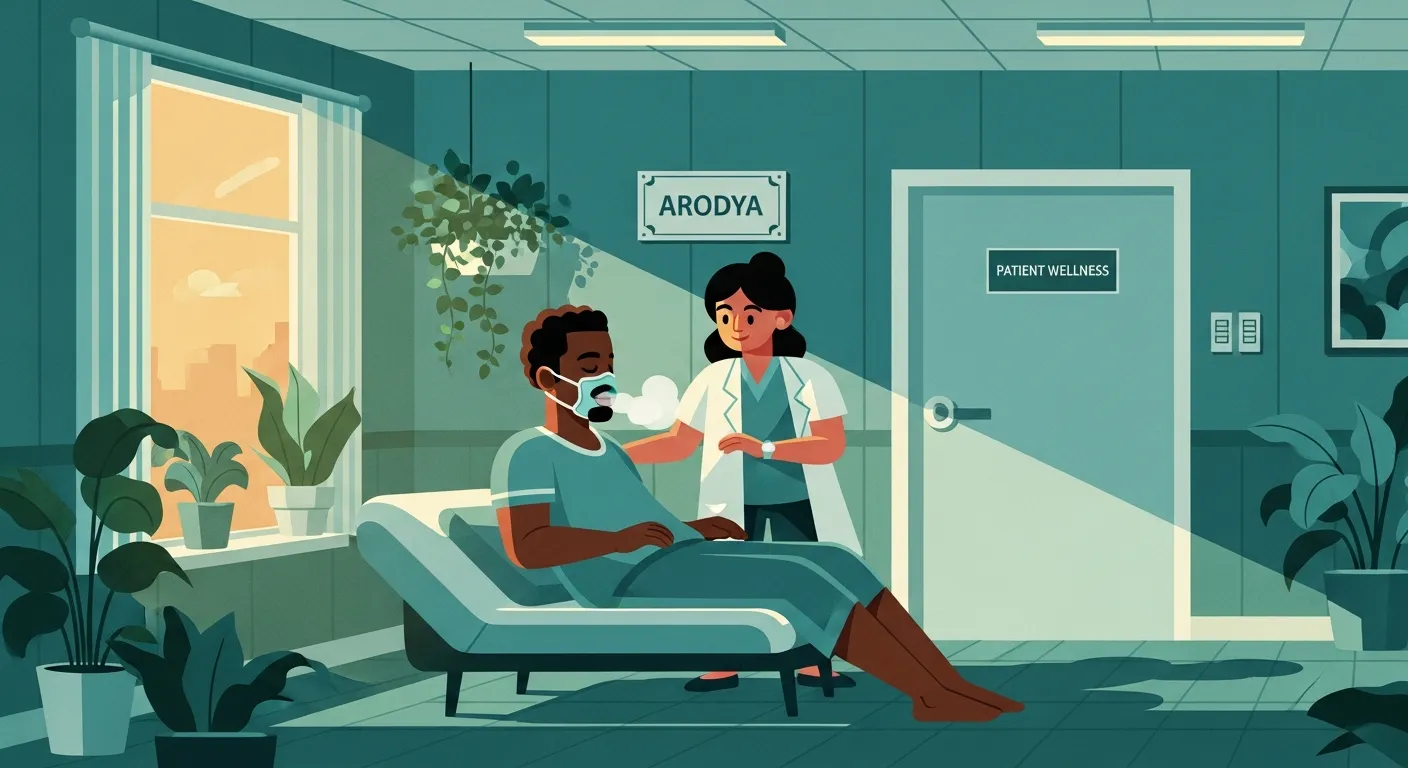
Not every difficult outcome is death. Some patients return home with permanent disability, treatment-resistant cancer, or outcomes below what families hoped for. These experiences also involve grief - grief for the life expected, the function lost, the hope that didn't materialise.
Indian hospitals have rehabilitation teams, palliative care services, and psychologists equipped to work with patients and families when the news is not what was hoped for. Arodya coordinates continuity of care conversations between Indian and home-country teams so families can plan appropriate support before the return journey.
Arodya's Commitment to Families in Difficult Moments
Arodya exists because African patients deserve the same quality of medical care as anyone in the world. Part of that commitment means being present not only when things go well, but also when they don't.
If you or your family are navigating a difficult medical journey, or are planning treatment for a loved one with a serious diagnosis, speak with Arodya's patient support team. We will be honest with you about what treatment can and cannot achieve - and we will stay with you through whatever comes.


