Fertility Preservation & Egg Freezing in India for African Women: Cost & Guide 2026
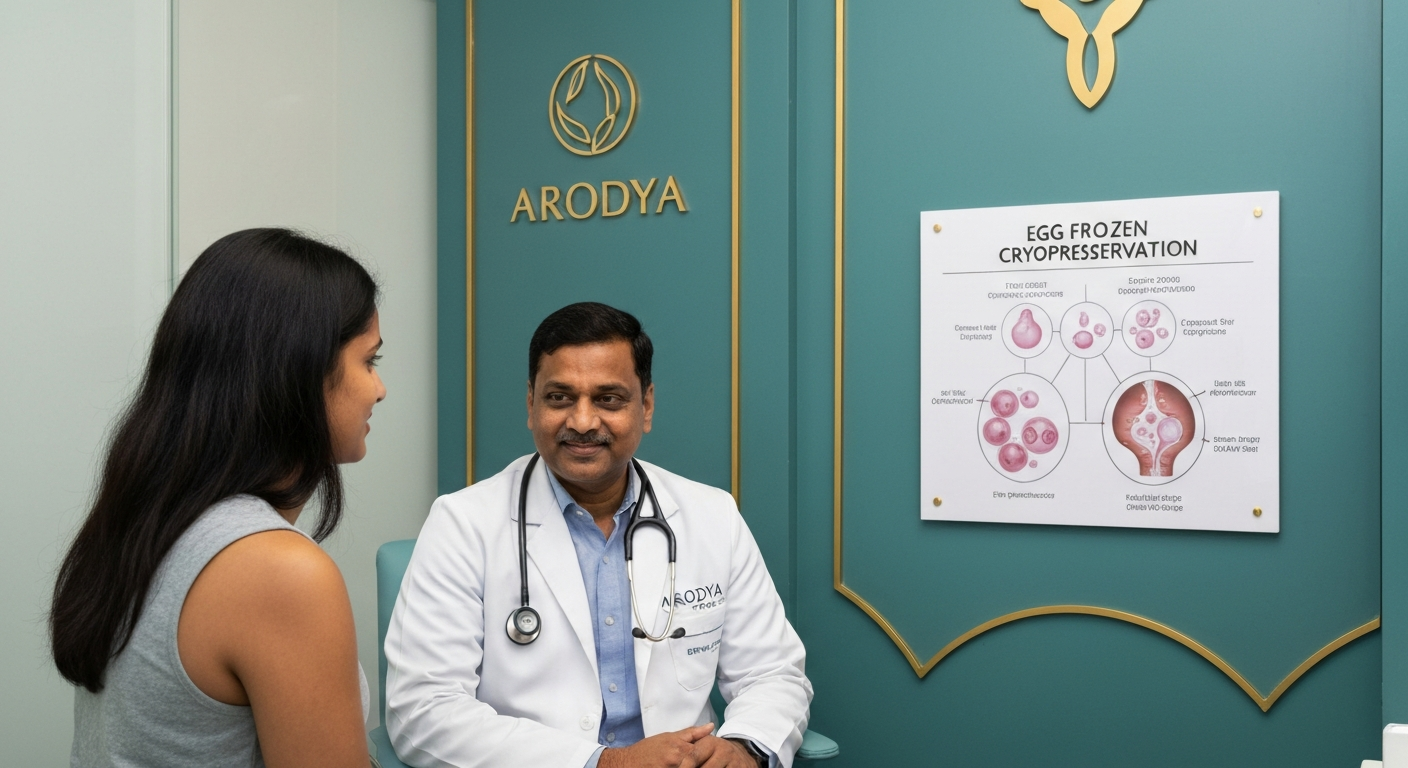

A generation of African professional women is rewriting the life script. Later education, growing career ambitions, economic independence, and greater reproductive autonomy are all contributing to a trend that fertility specialists are seeing consistently: the age at which African women are seeking to start families is rising. For women who want to extend their fertile window without compromising career or life goals — or who face a medical diagnosis that threatens their fertility — egg freezing (oocyte cryopreservation) in India offers the most affordable quality option in the world.
The Rising Demand for Fertility Preservation in Africa
Fertility preservation encompasses several strategies — egg freezing, embryo freezing, sperm banking, and surgical fertility protection — that allow individuals to preserve their reproductive capacity for use at a later time. While previously associated primarily with cancer patients facing fertility-threatening treatment, fertility preservation has expanded dramatically into elective use by women choosing to delay childbearing.
Several factors are driving demand across Africa:
Career and education: Women completing professional degrees, establishing businesses, and building careers before starting families are seeking fertility preservation as a form of reproductive insurance.
Partnership timing: Not all women have found the right partner at the age when their fertility is optimal. Egg freezing separates the biological timeline from the social one.
Pre-chemotherapy preservation: For cancer patients — particularly young women with breast cancer, lymphoma, or leukaemia — preserving eggs or embryos before chemotherapy protects future fertility. This oncofertility application is time-critical and India's centres can mobilise rapidly.
Medical conditions affecting ovarian reserve: Premature ovarian insufficiency (POI), endometriosis, and certain genetic conditions that accelerate ovarian ageing create urgency around egg freezing at younger ages than typical.
The challenge is cost. In Nigeria, South Africa, Kenya, and other countries with developing fertility industry ecosystems, egg freezing cycles cost $3,000–8,000 per cycle — significant sums that are inaccessible to many professional women. In Europe and North America, costs are $10,000–18,000 per cycle. India's pricing changes the accessibility equation.
The Egg Freezing Process: Step by Step
Understanding the process demystifies it and enables better planning.
Ovarian Reserve Assessment (Pre-Cycle Evaluation)
Before beginning, fertility specialists assess ovarian reserve — the remaining egg supply — through:
- AMH (Anti-Müllerian Hormone) blood test: The best single predictor of ovarian reserve. Higher AMH indicates more eggs available. Optimal for freezing is AMH >1.2 ng/mL. Can be done in Africa before travelling to India.
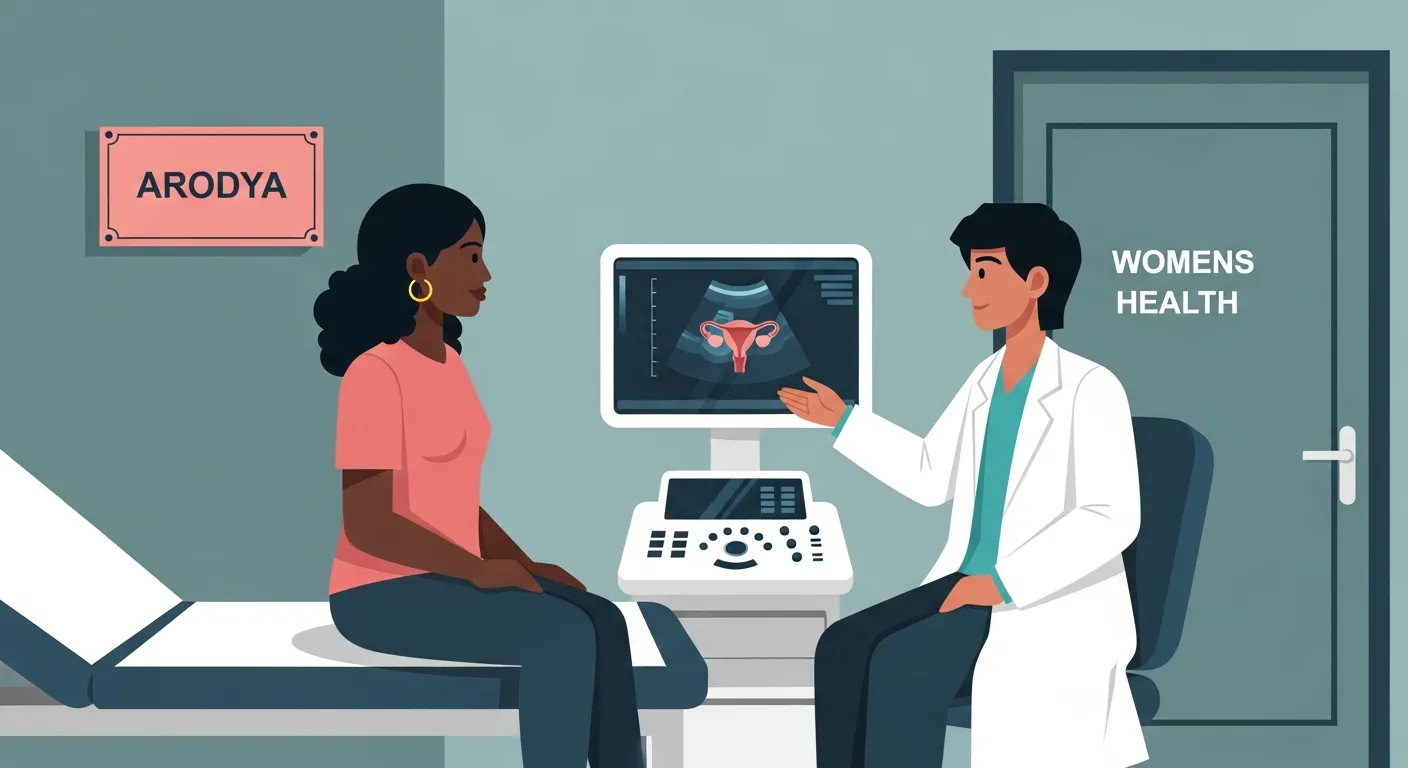
- Antral Follicle Count (AFC) by transvaginal ultrasound: Counts early-stage follicles in both ovaries. AFC of 10–20 is considered good; below 7 suggests reduced reserve.
- Day 2–3 FSH and Estradiol levels
These tests, costing $50–150 in India (or done locally before travel), predict the likely number of eggs retrievable per cycle and inform medication dosing.
Ovarian Stimulation (Days 1–12 of Cycle)
Daily self-administered hormone injections (gonadotropins — FSH and LH analogues) stimulate multiple follicles to develop simultaneously, rather than the single follicle that develops in a natural cycle. Monitoring ultrasound and blood estradiol tests every 2–3 days track follicle growth and guide medication adjustment.
When follicles reach 18–20mm diameter (typically Day 10–12), a trigger injection (hCG or GnRH agonist) is given to complete the final maturation process. Egg retrieval is scheduled 36 hours later.
The stimulation phase takes 10–12 days. For women travelling from Africa, most arrive on Day 2–3 of their cycle (with AMH and AFC already done) to begin monitoring in India. Total India stay for egg freezing: 12–15 days.
Egg Retrieval (Day 12–14)
Egg retrieval is performed under sedation (light general anaesthesia) as a day procedure. A transvaginal needle, guided by ultrasound, aspirates follicular fluid from each follicle. The embryologist identifies eggs in the fluid. The procedure takes 20–30 minutes. Post-procedure monitoring is 2–3 hours; home the same day.
The number of eggs retrieved varies by ovarian reserve and age: typically 10–20 eggs for women under 35, 6–15 for women 35–39, and fewer for women over 40.
Vitrification: Flash-Freezing for Long-Term Storage
Retrieved eggs undergo vitrification — ultra-rapid flash freezing that cools eggs to -196°C in seconds, preventing ice crystal formation that damages cellular structures. Vitrification survival rates are >95%; fertilisation rates of vitrified eggs are equivalent to fresh.
Eggs are stored in cryogenic tanks at the Indian fertility centre. Annual storage costs $300–500.
Using Frozen Eggs in the Future
When the patient is ready to use her eggs, the chosen fertility centre thaws the required eggs (typically 2–3 per IVF attempt), fertilises them with partner or donor sperm, and transfers the resulting embryo. Pregnancy rates per transfer depend primarily on the age at which eggs were frozen:
| Age at Freezing | Eggs Required per Live Birth (estimate) |
|---|---|
| <35 | 8–10 eggs |
| 35–37 | 10–15 eggs |
| 38–40 | 15–20 eggs |
| >40 | 20–25+ eggs |
This is why freezing before 35 is strongly recommended — not because pregnancy is impossible with older eggs, but because more eggs are needed to achieve the same cumulative success probability.
Cost Comparison: India vs Alternatives
| Service | India (USD) | USA (USD) | UK (GBP) | Nigeria/Kenya (USD) |
|---|---|---|---|---|
| Complete egg freezing cycle | 3,000–4,500 | 10,000–15,000 | 3,500–6,000 | 3,000–8,000 |
| Medication (stimulation drugs) | 500–1,000 | 3,000–6,000 | 1,500–3,000 | 1,000–3,000 |
| Annual egg storage | 300–500 | 500–800 | 200–400 | 300–600 |
| FET (frozen embryo transfer) | 1,200–2,500 | 4,000–6,000 | 2,000–3,500 | 2,000–4,000 |
India's key advantage over African alternatives: equivalent cost with higher quality laboratory standards (vitrification equipment, embryology expertise, IVF laboratory accreditation) and a wider specialist network for complex cases.
Embryo Freezing for Couples
Couples undergoing IVF commonly freeze embryos rather than unfertilised eggs. After ovarian stimulation and retrieval, eggs are fertilised with partner sperm and resulting embryos are assessed for quality and viability. High-quality embryos are vitrified for future use.
Pre-implantation genetic testing (PGT) — available at India's leading IVF centres — screens embryos for chromosomal abnormalities before transfer, improving success rates and reducing miscarriage risk. PGT costs $1,500–2,500 in India vs $3,000–5,000 in the USA.
Sperm Banking for Male Patients
Men facing cancer treatment (chemotherapy, radiation) or certain surgical procedures that may affect fertility should bank sperm before treatment begins. The process is simple — a semen sample is collected, assessed, and cryopreserved. Cost in India: $200–500 for banking, $100–200 annual storage.
Sperm banking is often an afterthought in cancer management — it should be a routine discussion for any young male cancer patient. India's oncofertility services ensure it is not overlooked.
Indian Fertility Clinics with Dedicated Preservation Programmes
Not all IVF clinics have equivalent laboratory quality for egg freezing. The key markers to look for:
- Vitrification capability (rapid flash-freezing, not slow freezing)
- NABL-accredited embryology laboratory
- Dedicated cryostorage infrastructure
- High-volume egg thaw and fertilisation experience
- Transparent survival and fertilisation rate reporting
Hospitals with dedicated fertility preservation programmes include Nova IVF (pan-India network), Apollo Fertility centres, Manipal Fertility, and specialist IVF hospitals in Chennai and Hyderabad.
Starting Your Fertility Preservation Journey
For African women considering egg freezing — whether for elective fertility preservation, pre-chemotherapy, or pre-surgery oncofertility — the process begins with a simple assessment.
Before contacting Arodya, arrange an AMH blood test locally (available at most private labs in major African cities) and note the first day of your last menstrual period. With this information, Arodya's fertility coordinator can provide a detailed programme plan including optimal cycle timing for your India visit, fertility clinic options, cost breakdown, and logistics guidance — all within 24 hours.
Freezing your eggs at 30 is an investment in your reproductive freedom at 38. India makes that investment accessible. Begin here.