Childhood Cancer Treatment in India 2026: 80% Survival Rates, Protocols & International Patient Guide
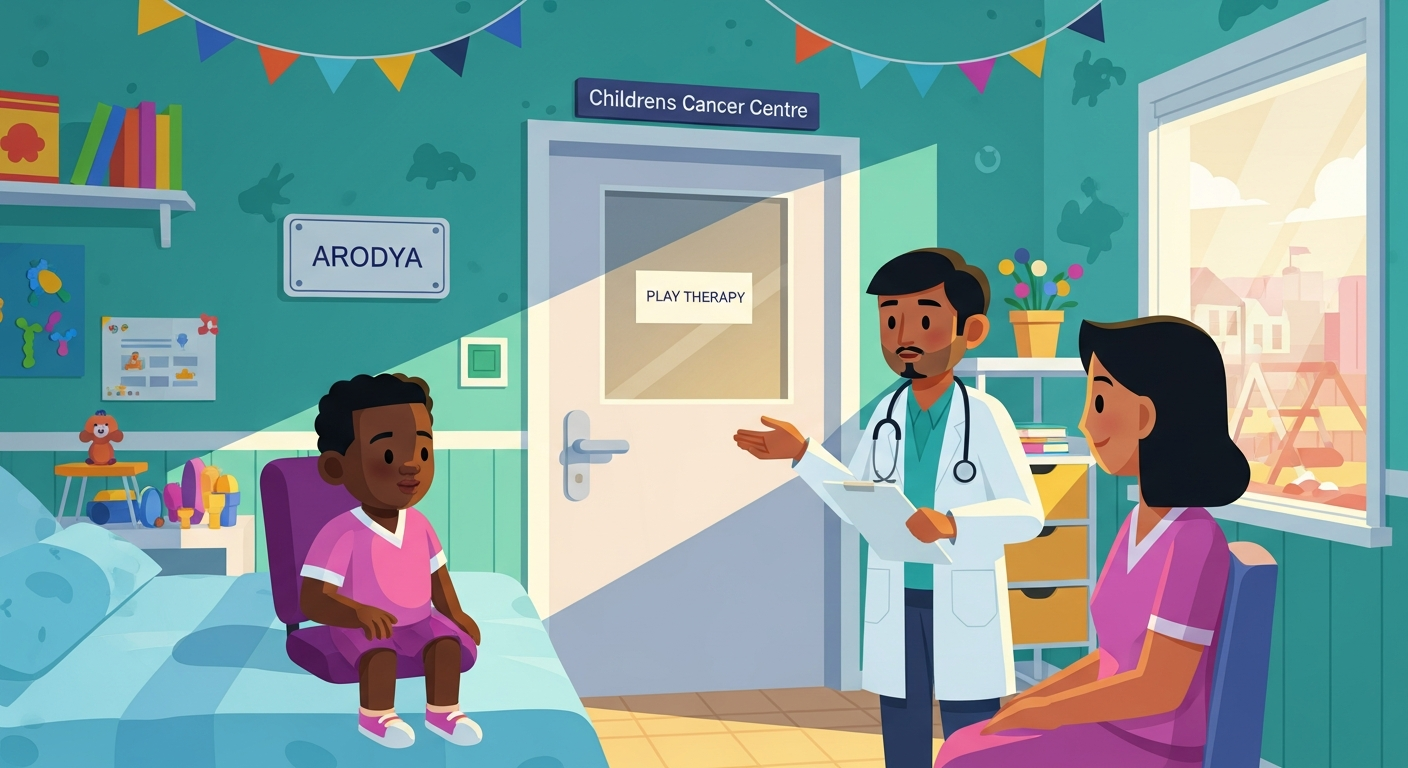

Childhood cancer is one of the most devastating diagnoses any family can receive. In high-income countries, advances in paediatric oncology have transformed it from near-uniformly fatal to largely curable — overall paediatric cancer survival exceeds 80% in the USA, UK, and India's leading centres. In sub-Saharan Africa, survival rates remain 15–30% for many cancers, primarily because of delayed diagnosis, limited drug access, inadequate supportive care (blood products, antibiotics, growth factors), and absence of specialist paediatric oncology infrastructure. The gap is not in biology — children everywhere respond similarly to effective treatment. The gap is in access.
India offers a genuine bridge across that gap.
TL;DR: India's top paediatric oncology centres achieve 75–85% overall childhood cancer survival — matching Western outcomes and 4× better than sub-Saharan Africa averages. ALL treatment costs USD 12,000–25,000 for the full protocol. Wilms tumour: USD 8,000–15,000. Neuroblastoma high-risk: USD 20,000–40,000. Parents can stay with children throughout admission.
The Survival Gap: Why It Exists and Why India Bridges It
The disparity in childhood cancer survival between Africa and India or high-income countries comes down to several specific factors:
| Factor | Sub-Saharan Africa | India (Top Centres) |
|---|---|---|
| Paediatric oncologist density | < 0.1 per million children | 1–2 per million children |
| Reliable chemotherapy supply | Often interrupted | Consistent |
| Blood banking and transfusion | Limited | Comprehensive |
| Infection management (neutropenia) | Variable | Protocol-driven |
| Radiation therapy access | Absent in many countries | Widely available |
| Multidisciplinary team | Rare | Standard |
| Treatment abandonment rate | 30–50% | < 5% at top centres |
Treatment abandonment — families stopping treatment midway due to cost, distance, or loss of hope — is the single largest contributor to poor outcomes in Africa. India's international patient programmes, Arodya's financial planning support, and the concentrated hospital-based model eliminate most of the triggers for abandonment.
Key Conditions Treated at Indian Paediatric Oncology Centres
Acute Lymphoblastic Leukaemia (ALL)
ALL is the most common childhood cancer, accounting for 30% of all paediatric cancers. It is also the most curable: 85–90% long-term survival at India's top centres using modern risk-stratified protocols (modified BFM or COG-based).
Treatment: 2–3 years of multi-phase chemotherapy (induction, consolidation, maintenance). CNS prophylaxis with intrathecal chemotherapy. High-risk ALL requires intensification with high-dose methotrexate and asparaginase. Very high-risk or relapsed ALL may require bone marrow transplant.
India costs: USD 12,000–25,000 for the full 2–3 year protocol. Induction phase (months 1–3) typically USD 5,000–8,000.
Wilms Tumour (Nephroblastoma)
Wilms tumour is the most common childhood kidney cancer, typically presenting before age 5. In high-income countries, 90%+ survive with surgery plus chemotherapy. In Africa, late stage presentation and treatment gaps reduce survival significantly.
Treatment: Nephrectomy (kidney removal) + adjuvant chemotherapy (vincristine and actinomycin D). Stage IV (metastatic) requires additional chemotherapy and possibly radiotherapy.
India costs: Nephrectomy USD 4,000–7,000. Full chemotherapy protocol USD 4,000–8,000. Total package: USD 8,000–15,000.
Neuroblastoma
Neuroblastoma arises from sympathetic nervous system tissue, most often in the adrenal gland. Localised (low/intermediate risk) neuroblastoma has excellent outcomes with surgery alone. High-risk neuroblastoma (Stage 4, MYCN amplified) has historically poor outcomes but has improved significantly with intensive protocols including tandem autologous stem cell transplant, dinutuximab immunotherapy, and isotretinoin maintenance.
Treatment (high-risk): Induction chemotherapy → surgery → high-dose chemotherapy + autologous stem cell rescue → radiation → dinutuximab → isotretinoin maintenance. Total duration: 18–24 months.
India costs: High-risk neuroblastoma full protocol USD 20,000–40,000 including autologous transplant. Low-risk (surgery only) USD 4,000–8,000.
Paediatric Brain Tumours
Medulloblastoma (the most common malignant paediatric brain tumour) and ependymoma require surgical resection, craniospinal radiation (after age 3–4), and cisplatin-based chemotherapy. India's neuro-oncology centres offer proton therapy (for younger children to reduce cognitive effects) at select locations, with costs USD 15,000–25,000 for proton therapy courses.
Osteosarcoma and Ewing Sarcoma
Bone tumours in adolescents. Treatment involves perioperative chemotherapy and limb-salvage surgery at Indian orthopaedic oncology centres. Amputation rates are significantly lower at high-volume Indian centres compared to many African referral centres. Limb salvage costs USD 8,000–15,000 for the surgical component.
Hodgkin and Non-Hodgkin Lymphoma
Both are highly curable with chemotherapy. Hodgkin lymphoma: 85–95% cure with ABVD protocol (4–6 cycles, USD 4,000–8,000 in India). Paediatric NHL: treated with intensive protocols similar to ALL. BFM-90 protocol 2-year treatment USD 10,000–20,000.
The Paediatric Oncology Team in India
Top Indian paediatric oncology centres operate true multidisciplinary teams:
- Paediatric oncologist: Chemotherapy protocol, overall coordination
- Paediatric surgeon / surgical oncologist: Tumour resection
- Radiation oncologist: Radiotherapy planning (3D-CRT, IMRT, proton)
- Paediatric intensivist: ICU support for high-risk periods
- Haematologist: Stem cell transplant for high-risk cases
- Paediatric radiologist: Imaging interpretation
- Child life specialist: Play therapy and psychosocial support
- Dietitian: Nutritional support during treatment
- Social worker: Family support and accommodation assistance
This level of specialist integration is the infrastructure that explains the survival gap. It does not exist in resource-limited settings and cannot be replicated without dedicated investment.
Parent Accommodation and Family Support
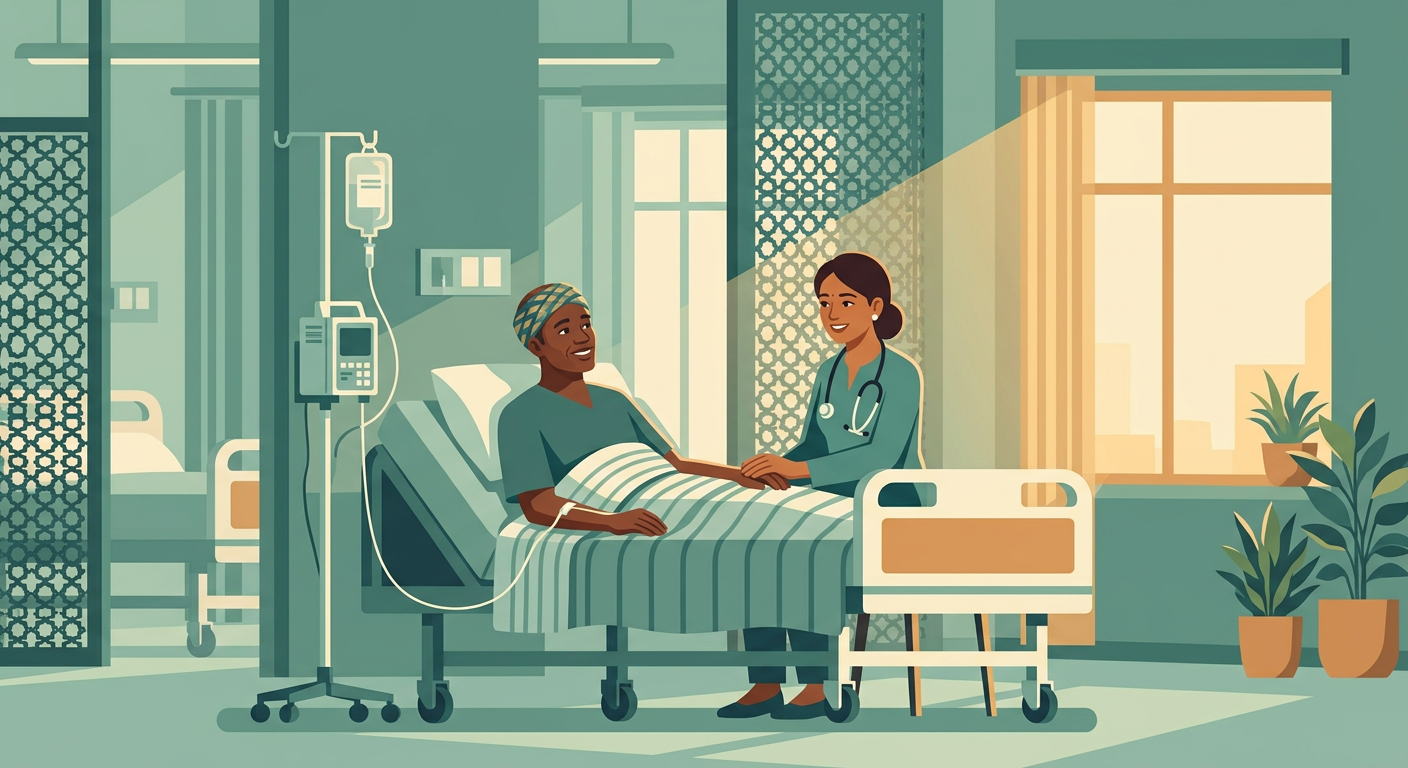
Indian paediatric oncology wards allow parents to stay with children throughout admission — not just visiting hours. Most paediatric oncology units at top hospitals provide parent beds in the patient room.
For extended treatment courses (2–3 years), many families adopt a hybrid model: start induction in India, return home during maintenance (oral chemotherapy phases), come back to India for intensification phases and any complications.
Arodya arranges accommodation for the accompanying parent near the hospital, assists with visa extensions for long treatment stays, and maintains contact with the family throughout the journey.
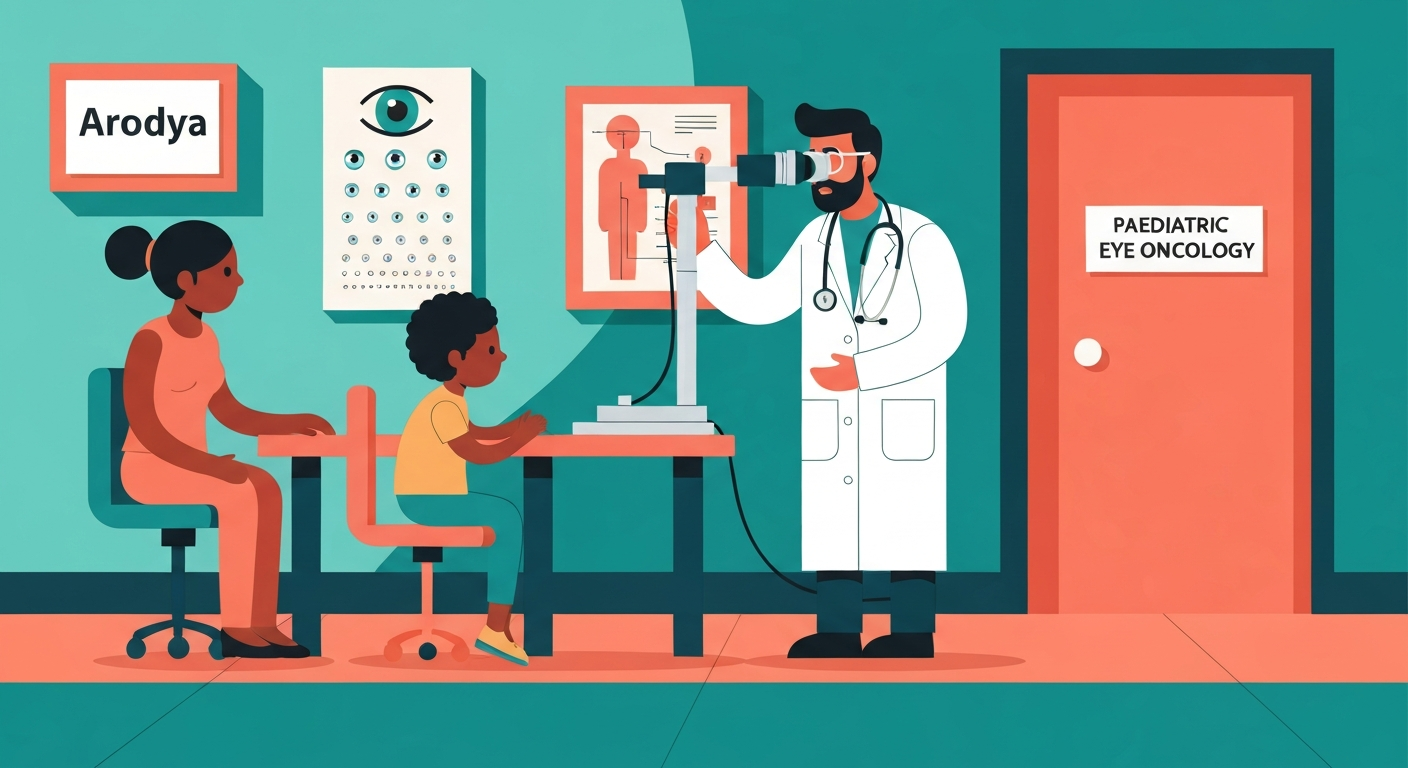
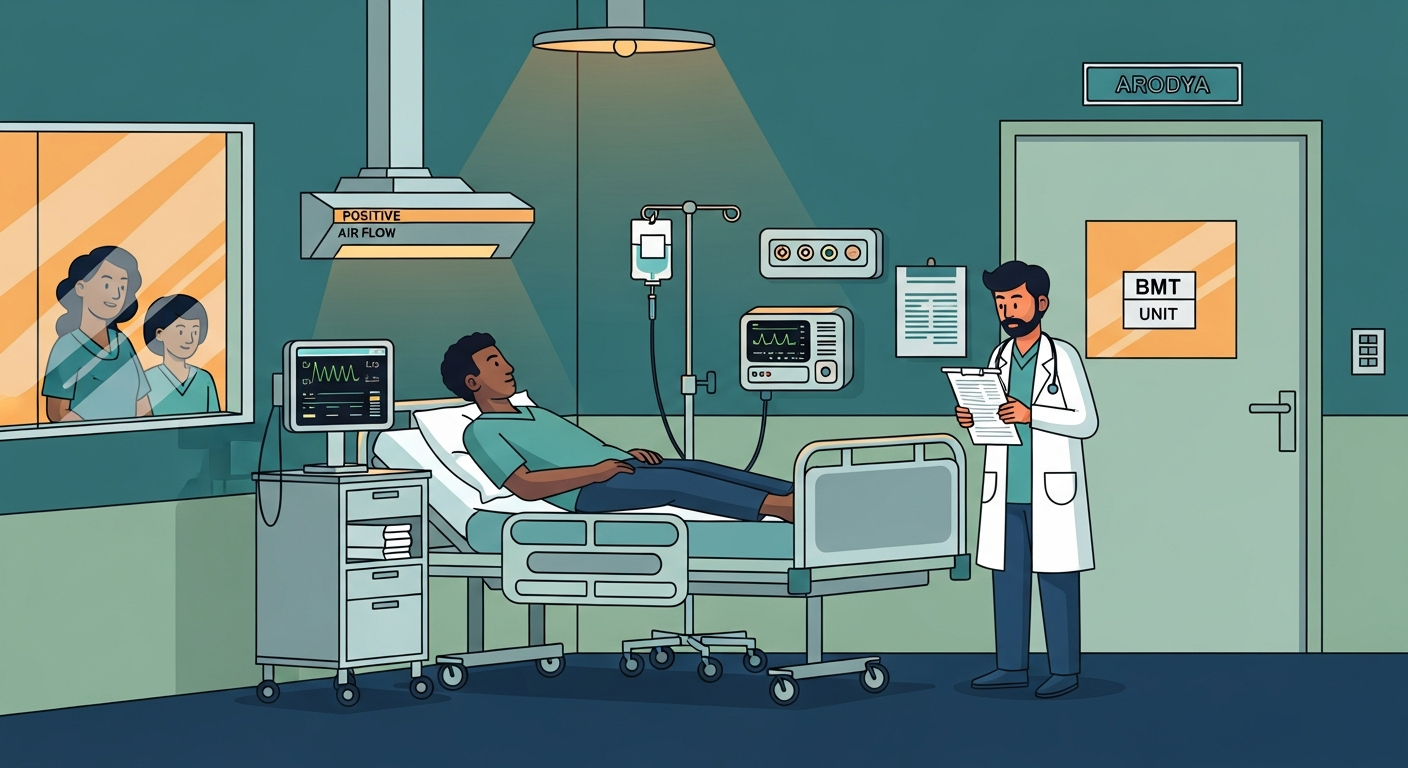
For the specific case of retinoblastoma (eye cancer), see our detailed retinoblastoma treatment guide. For children requiring bone marrow transplant as part of their cancer treatment, read our bone marrow transplant guide.
Your child's survival depends on treatment quality and timing. Every week of delay with an untreated aggressive paediatric cancer matters. Contact Arodya urgently with your child's diagnosis and available investigations — we prioritise paediatric oncology cases for same-week consultation appointments.