CAR-T Cell Therapy in India: Affordable Blood Cancer Treatment for International Patients 2026

CAR-T Cell Therapy in India: Affordable Blood Cancer Treatment for International Patients 2026
In 2017, the FDA approved the first CAR-T cell therapy for a blood cancer — axicabtagene ciloleucel (Yescarta) for diffuse large B-cell lymphoma. The therapy achieved remarkable outcomes: complete remissions in patients who had exhausted all other options. But at $373,000 for the drug alone — not counting hospitalisation, supportive care, and management of serious toxicities that can push total costs above $500,000 — it was effectively inaccessible to anyone outside wealthy Western healthcare systems.
Then India changed the equation.
In October 2023, India approved NexCAR19 — the world's first domestically developed CAR-T therapy — for B-cell leukaemia and lymphoma, at a target price of approximately $30,000. For African patients with relapsed or refractory blood cancers who had been told nothing more could be done, this represents a genuine revolution in access.
What Is CAR-T Cell Therapy?
CAR-T stands for Chimeric Antigen Receptor T-cell therapy. It is a form of personalised immunotherapy — using a modified version of the patient's own immune cells to target and destroy cancer.
The process:
Leukapheresis (T-cell collection): Blood is drawn from the patient through a special catheter. A cell separator machine removes the T-lymphocytes (white blood cells that are the key effectors of cellular immunity) and returns the rest of the blood to the patient. This takes approximately 4 hours.
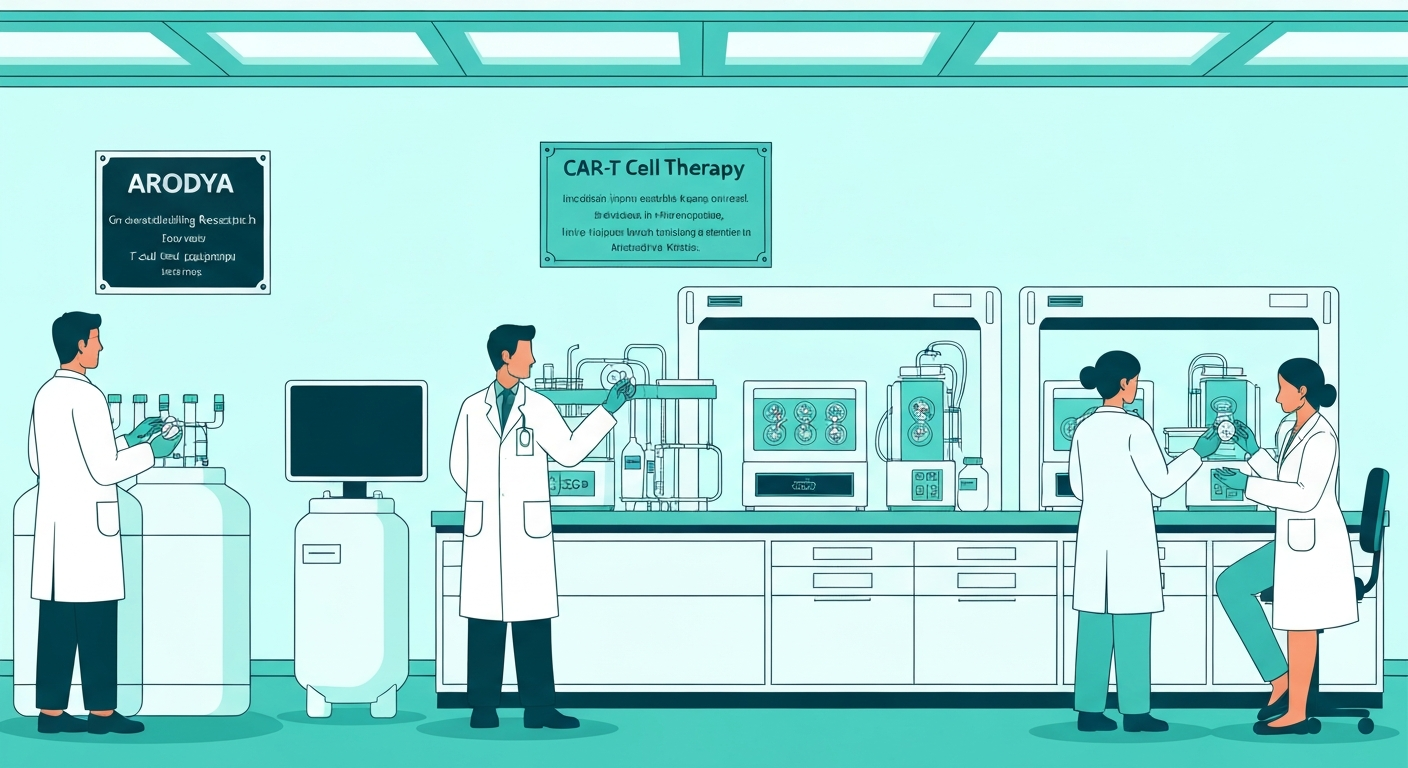
Manufacturing: The collected T-cells are sent to a specialist laboratory. Scientists use a viral vector to insert a gene encoding a Chimeric Antigen Receptor — a synthetic protein that recognises a specific antigen on cancer cells. For most B-cell cancers, the target is CD19, a protein expressed on the surface of B-cells (and B-cell tumours) but not on other cells.
Expansion: The engineered CAR-T cells are multiplied in the laboratory — from millions to billions of cells. Quality testing confirms they carry the receptor and meet safety standards.
Lymphodepletion: Before infusion, the patient receives a short course of chemotherapy (fludarabine + cyclophosphamide for 3 days) to deplete their existing immune cells and create "space" for the CAR-T cells to expand after infusion.
Infusion: The manufactured CAR-T cells are infused intravenously, typically on a single day, like a blood transfusion.
Response and monitoring: Over the following weeks, the CAR-T cells multiply, recognise CD19-positive cancer cells, and destroy them. Patients are monitored closely for toxicities, particularly cytokine release syndrome and neurotoxicity.
NexCAR19: India's Homegrown CAR-T Innovation
NexCAR19 was developed by ImmunoACT, a company spun out of the Indian Institute of Technology Bombay (IIT Bombay) and the Tata Memorial Centre — one of the world's great cancer research institutions. It targets CD19 and is approved for:
- Relapsed/refractory B-cell ALL (B-cell acute lymphoblastic leukaemia) in patients ≥15 years who have received ≥2 prior lines of therapy
- Relapsed/refractory large B-cell lymphoma (LBCL) including DLBCL, primary mediastinal B-cell lymphoma, and follicular lymphoma transformed to DLBCL, after ≥2 prior lines of therapy
Clinical data:
In the Phase II trial that supported Indian approval:
- Overall response rate: 73.5% in B-cell lymphoma
- Complete response rate: 58.8%
- Durable responses at 12 months in a meaningful proportion of patients
These response rates are comparable to the US-approved CAR-T products, validating the clinical efficacy of India's homegrown approach.
Cost:
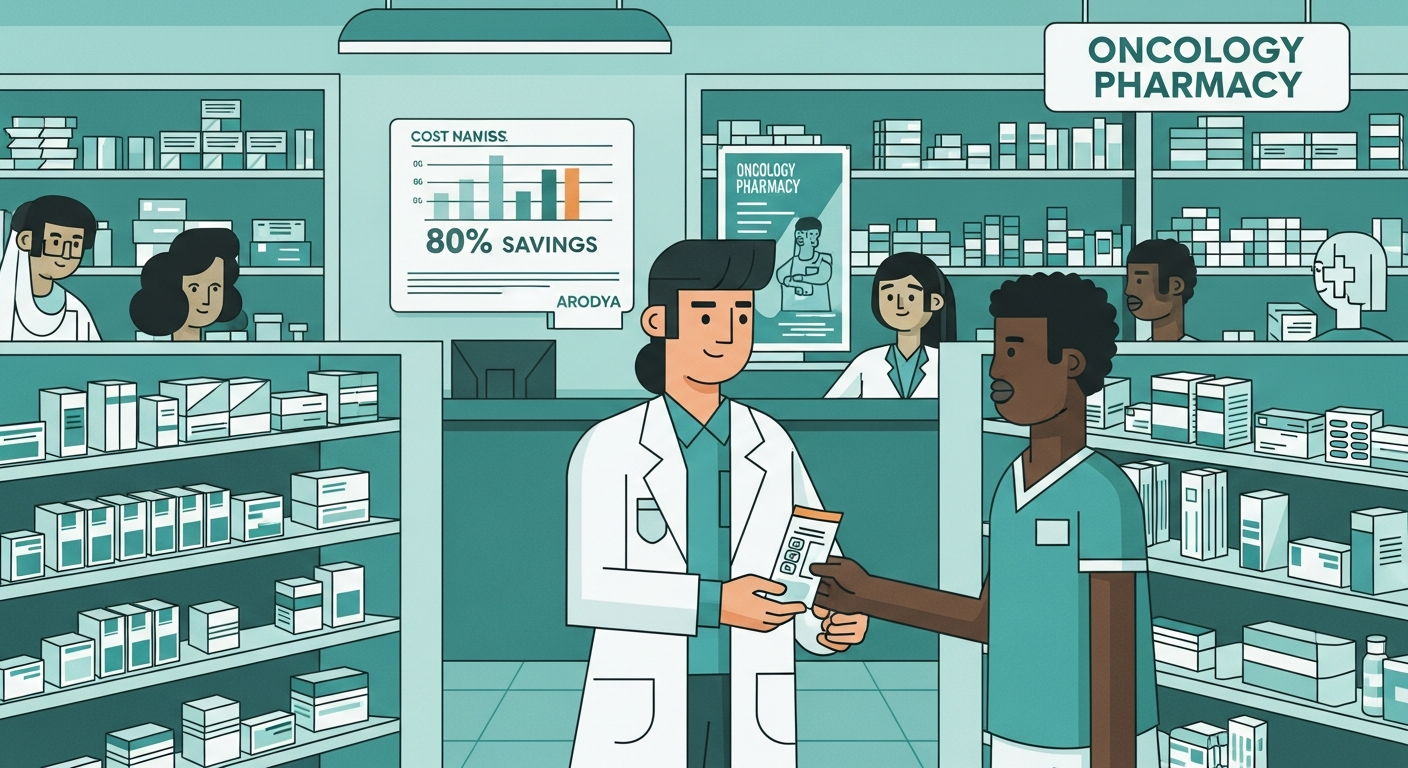
NexCAR19's manufacturing and drug cost is approximately ₹25 lakhs ($30,000) — approximately 13 times less than the cheapest US-approved product. When India's lower hospitalisation and supportive care costs are included, total treatment costs are $40,000–$60,000 — compared to $500,000–$700,000 in the USA for equivalent therapy.
Eligibility Assessment: Is CAR-T Right for You?
CAR-T therapy is not appropriate for all blood cancer patients. It is a second or third-line treatment for patients who have relapsed or failed to respond to prior therapies.
You may be eligible if you have:
- B-cell acute lymphoblastic leukaemia (B-ALL) that has relapsed after chemotherapy or stem cell transplant
- Diffuse large B-cell lymphoma (DLBCL) that has failed first-line chemoimmunotherapy (R-CHOP) and salvage therapy
- Other large B-cell lymphoma subtypes (primary mediastinal B-cell lymphoma, follicular lymphoma grade 3B, DLBCL arising from follicular lymphoma)
- Adequate organ function: kidneys, liver, heart, and lungs must be functional enough to tolerate the procedure
- Performance status: you must be able to care for yourself (ECOG 0–2)
- No active uncontrolled infection (including HIV, Hepatitis B/C must be assessed)
You may not be eligible if:
- Active CNS (brain/spinal cord) lymphoma or leukaemia
- Significant cardiac, hepatic, or renal dysfunction
- Active infection
- Prior allogeneic stem cell transplant within 6 months (relative contraindication)
- Active autoimmune disease requiring systemic immunosuppression
An Indian haematologist will review your complete records and assess eligibility. Submit your case through Arodya and we will connect you with an experienced CAR-T haematologist for an initial assessment.
The Treatment Journey: What to Expect
Weeks 1–2: Pre-treatment assessment and T-cell collection
- Detailed medical evaluation
- Bone marrow biopsy (to assess disease burden and confirm diagnosis)
- Staging CT/PET scan
- Cardiac assessment (echocardiogram)
- Leukapheresis (T-cell collection) — 1 full day
Weeks 3–6: Manufacturing period
- T-cells are sent to the manufacturing facility
- Patients may receive bridging therapy (chemotherapy) during this period if disease progression requires it
- Additional supportive care and monitoring
Week 6–7: Lymphodepletion and infusion
- 3 days of fludarabine + cyclophosphamide chemotherapy
- Day 0: CAR-T infusion (approximately 30-minute infusion)
Weeks 7–10: Monitoring and management
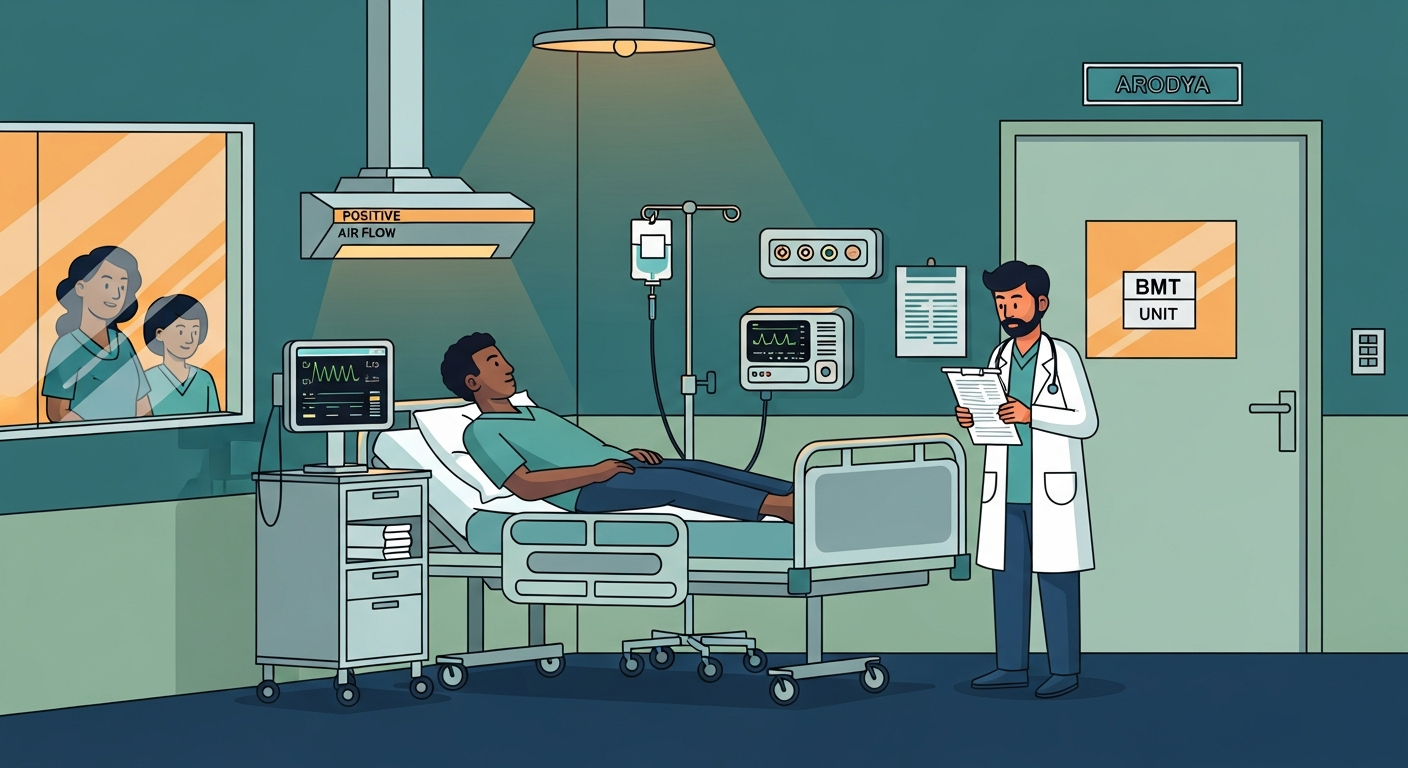
- Inpatient for minimum 14 days post-infusion (toxicity monitoring period)
- Watch for cytokine release syndrome (fever, hypotension, hypoxia) — occurs in majority of patients, usually manageable
- Watch for immune effector cell-associated neurotoxicity syndrome (ICANS) — occurs in subset of patients
- Response assessment at day 28 (bone marrow biopsy, imaging)
After day 28:
- If complete response: ongoing monitoring, no further treatment usually required
- If partial response: additional options discussed
- Long-term follow-up: 6-monthly for minimum 2 years
CAR-T Centres in India
Tata Memorial Hospital / ACTREC, Mumbai — The original collaborating institution for NexCAR19 development. Highest volume and deepest experience. Some government-subsidised places may be available.
Apollo Hospitals (Delhi, Mumbai) — Expanding CAR-T programme; strong haematology-oncology team; international patient infrastructure.
Kokilaben Dhirubhai Ambani Hospital, Mumbai — Established CAR-T programme; strong academic haematology team.
Manipal Hospital, Bangalore — Haemato-oncology programme with CAR-T access.
Medanta The Medicity, Gurgaon — Comprehensive blood cancer programme; evaluating CAR-T access for international patients.
More centres are expanding access as NexCAR19 manufacturing scales. Arodya maintains updated information on centre availability for international patients.
Managing Toxicities: Safety in India
The two main toxicities of CAR-T therapy require intensive medical support:
Cytokine Release Syndrome (CRS): Occurs when the activated CAR-T cells release large amounts of inflammatory cytokines. Mild CRS (fever, fatigue) occurs in most patients. Severe CRS (respiratory failure, shock) occurs in a minority. Treatment: tocilizumab (anti-IL-6 antibody) and corticosteroids. Indian ICUs at CAR-T centres are equipped to manage severe CRS.
ICANS (neurotoxicity): Immune effector cell-associated neurotoxicity can range from mild confusion to seizures in severe cases. Usually responsive to corticosteroids. CAR-T centres have neurological support available.
The expertise to manage these toxicities exists at India's CAR-T centres — this is not a concern for patients choosing established programmes.
The Bigger Picture: Access vs Absence
For most African patients with relapsed B-cell lymphoma or leukaemia, the alternative to CAR-T therapy in India is not "CAR-T therapy in the USA" — it's no effective treatment at all. The price differential is so large that even at $40,000–$60,000 total, India's CAR-T is accessible only to those with significant family resources or international insurance. But it is accessible, whereas American pricing makes it impossible.
This is what India's pharmaceutical and biomedical innovation can mean for Africa: not just generic versions of drugs invented elsewhere, but genuinely novel therapies developed at lower cost from the ground up.
Explore your options with Arodya — send your haematology records for an assessment of whether CAR-T therapy in India is appropriate for your situation. This treatment represents hope for patients who have run out of conventional options.