Blood Cancer Treatment in India: Leukaemia, Lymphoma & Myeloma Options for International Patients 2026

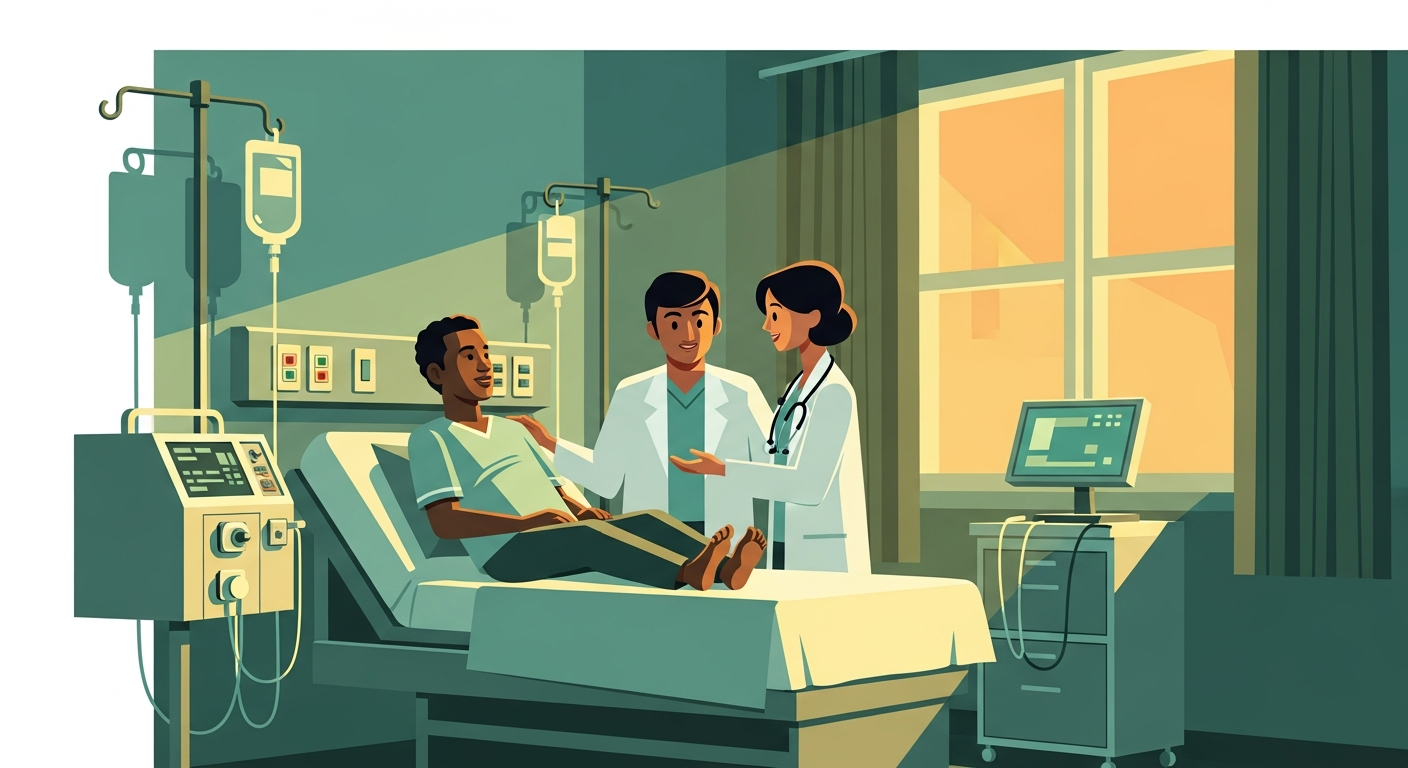
A blood cancer diagnosis is frightening anywhere in the world — but where you receive treatment can profoundly affect your chances. India's haematology centres now rank among the most experienced in Asia, treating thousands of leukaemia, lymphoma, and myeloma patients each year at costs that are a fraction of what patients pay in Europe or North America. For patients in Uganda, Nigeria, Kenya, Ghana, and across sub-Saharan Africa, that combination of quality and affordability has made India the most practical choice.
TL;DR: Blood cancer treatment in India costs USD 8,000–45,000 depending on type and whether a bone marrow transplant is needed — 60–75% less than equivalent care in the USA or UK (Patients Beyond Borders, 2024). India approved its first CAR-T cell therapy in 2023, and its top haematology centres match Western survival benchmarks for leukaemia and lymphoma.
What Types of Blood Cancer Are Treated in India?
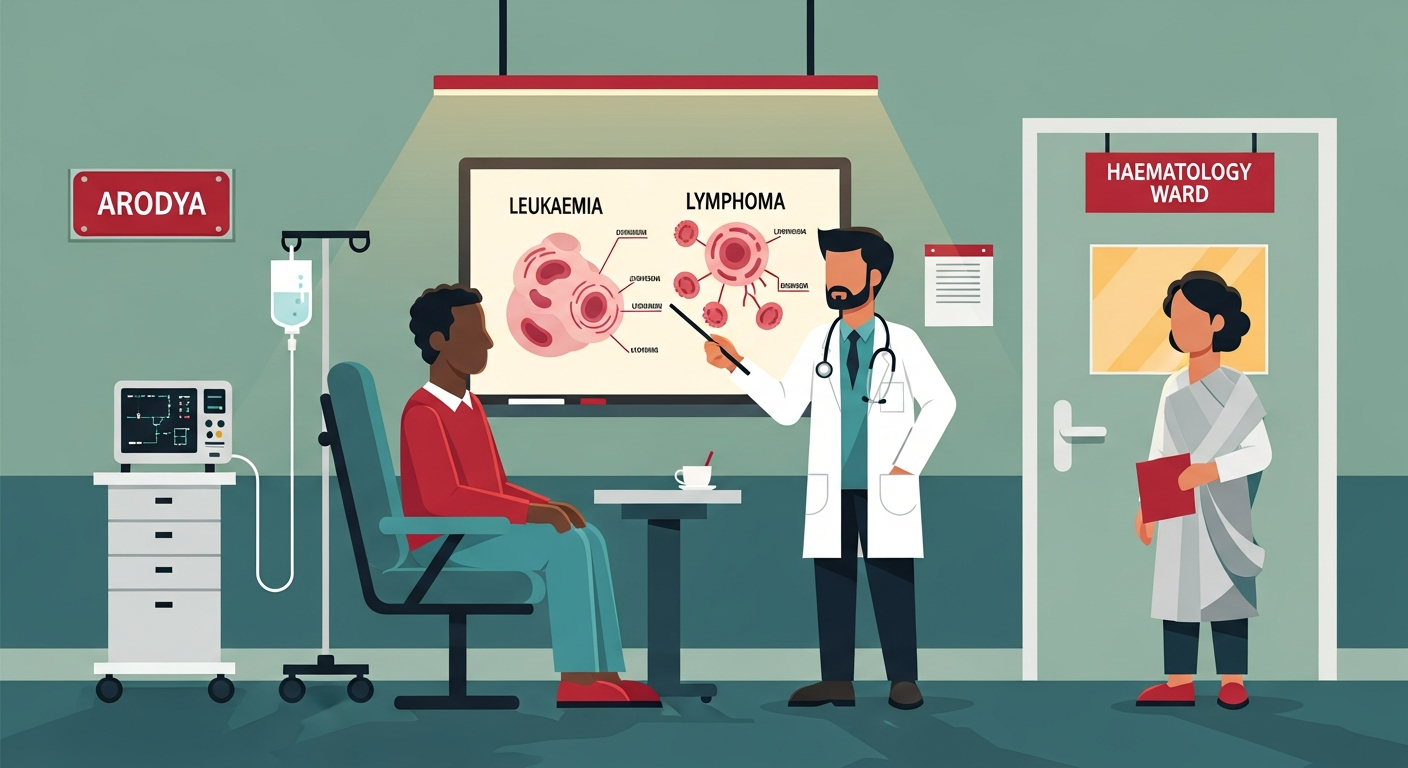
India's haematology departments treat every major category of blood malignancy, and the treatment protocols they follow align with international NCCN and ESMO guidelines (Indian Journal of Haematology and Blood Transfusion, 2024). Whether you've been diagnosed with a slow-growing lymphoma or an aggressive acute leukaemia requiring urgent admission, the infrastructure exists.
The main conditions treated include:
- Acute myeloid leukaemia (AML) and acute lymphoblastic leukaemia (ALL) — both require intensive induction chemotherapy and often proceed to bone marrow transplant
- Chronic myeloid leukaemia (CML) — largely managed with targeted oral therapy (imatinib, dasatinib); India's generic drug supply makes this especially affordable
- Hodgkin lymphoma — highly curable with R-ABVD or escalated BEACOPP protocols; long-term remission rates above 85% at major Indian centres
- Non-Hodgkin lymphoma (NHL) — diffuse large B-cell, follicular, mantle cell, and T-cell subtypes all managed with chemo-immunotherapy combinations
- Multiple myeloma — treated with bortezomib/lenalidomide-based regimens and autologous stem cell transplant for eligible patients
- Myelodysplastic syndromes (MDS) — managed with hypomethylating agents and, in high-risk cases, allogeneic transplant
For a broader overview of how haematology services are organised at Indian hospitals, see our guide to haematology and BMT in India.
How Much Does Blood Cancer Treatment Cost in India?
Cost is the single biggest reason international patients choose India. Leukaemia induction chemotherapy runs USD 8,000 to 15,000 per cycle at JCI-accredited hospitals — roughly one-fifth the cost of equivalent protocols at a US academic medical centre (Patients Beyond Borders, 2024). The savings are consistent across every treatment modality.
| Treatment | India (USD) | USA (USD) | UK Private (GBP equiv.) |
|---|---|---|---|
| Chemo induction (AML/ALL, per cycle) | 8,000 – 15,000 | 50,000 – 80,000 | 25,000 – 40,000 |
| R-CHOP cycle (lymphoma) | 3,500 – 6,000 | 20,000 – 35,000 | 12,000 – 20,000 |
| Autologous BMT (myeloma) | 18,000 – 28,000 | 100,000 – 150,000 | 60,000 – 90,000 |
| Allogeneic BMT (leukaemia) | 25,000 – 45,000 | 150,000 – 300,000 | 80,000 – 150,000 |
| CAR-T cell therapy | 50,000 – 80,000 | 400,000 – 500,000 | Not widely available |
Sources: Patients Beyond Borders 2024; Apollo and Medanta hospital quotes collected by Arodya, 2025.
CML patients deserve a special note. Imatinib — the tyrosine kinase inhibitor that transformed CML from a fatal disease into a manageable chronic condition — costs USD 30–80 per month as a generic in India. The same drug costs over USD 2,000 per month in the US. Many African patients with CML travel to India specifically to establish their treatment protocol and then maintain it on generics at home.
Which Hospitals Lead in Blood Cancer Treatment?
India has a small group of haematology centres that handle high volumes and publish outcomes data — volume matters enormously for blood cancers, particularly for complex procedures like allogeneic bone marrow transplant.
Tata Memorial Hospital, Mumbai is India's largest cancer centre and performs over 4,000 new haematological malignancy cases annually (Tata Memorial Centre, 2024). Its BMT unit is one of Asia's busiest, with published outcomes matching international benchmarks. Tata Memorial also leads India's CAR-T cell therapy programme.
Apollo Hospitals Delhi and Fortis Memorial Research Institute Gurgaon both offer dedicated haematology and BMT departments with international patient services. They're the more common first choice for patients from Africa who want proximity to New Delhi's international hub.
Medanta The Medicity, Gurgaon and Narayana Health, Bangalore round out the tier-one options, particularly for patients who need combined surgical and haematological management.
When selecting a centre, ask specifically: How many allogeneic BMTs did you perform last year? What is your 100-day transplant-related mortality rate? What is your CMV monitoring protocol? These questions separate experienced programmes from those with limited volume.
What Is the Treatment Journey Like?
For most blood cancer patients, treatment doesn't happen in a single admission — it's a series of phases over months. Understanding the structure helps you plan realistically.
Phase 1 — Diagnosis confirmation and staging (1–2 weeks)
Even if you arrive with a diagnosis from home, Indian haematologists will rerun bone marrow biopsy, flow cytometry, cytogenetics, and molecular profiling before starting treatment. This isn't scepticism — it's standard practice, and the results directly determine which chemotherapy regimen you receive. Don't skip this step.
Phase 2 — Induction chemotherapy (4–8 weeks in-hospital)
For acute leukaemias, induction requires continuous hospital admission with daily monitoring. For lymphoma, chemotherapy is often given in day-care cycles (you're admitted for 1–3 days every three weeks). Your companion will need accommodation near the hospital throughout.
Phase 3 — Consolidation and maintenance (2–6 months)
After achieving remission, most patients require consolidation cycles. For CML on targeted therapy, patients can return home and manage ongoing treatment locally once the protocol is established and stable.
Phase 4 — Bone marrow transplant (if required)
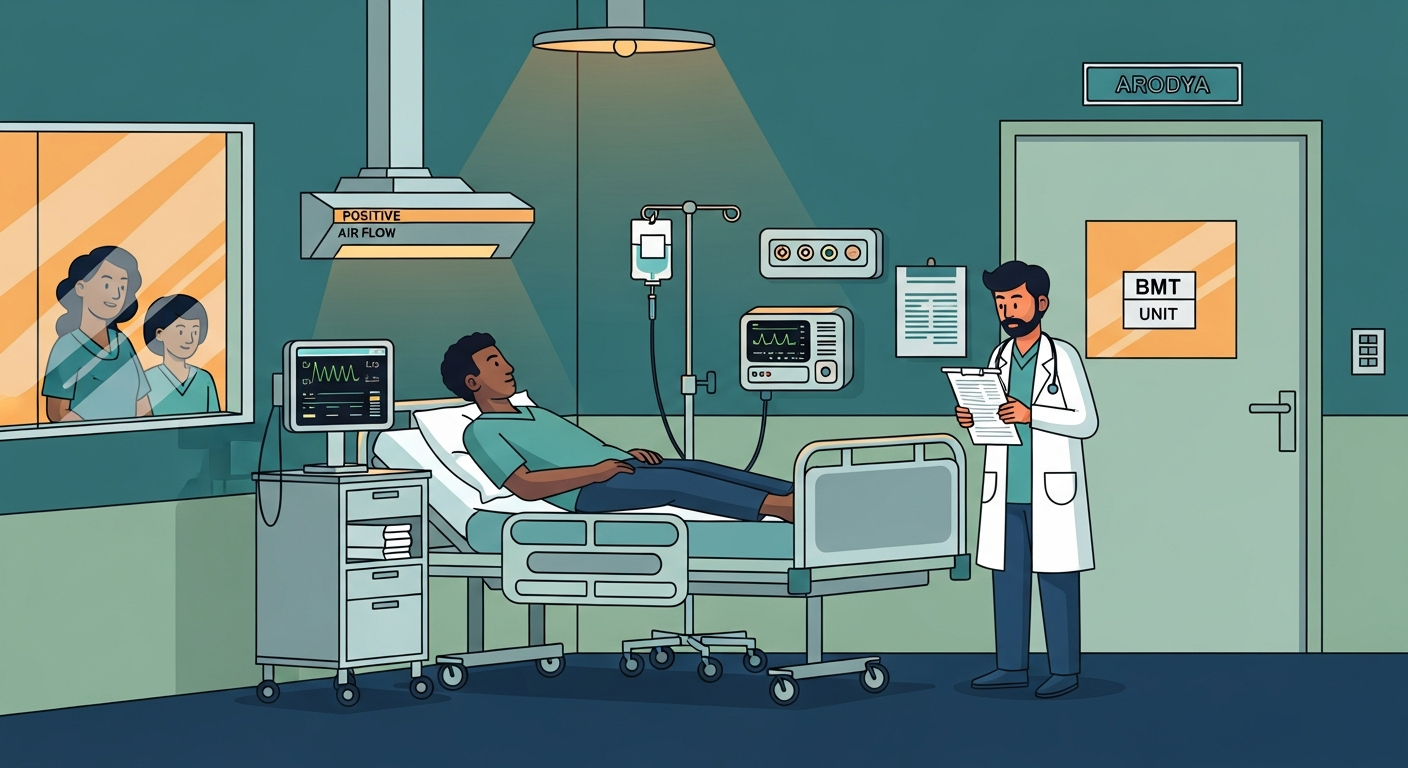
Allogeneic BMT requires a matched donor (sibling or unrelated) and a further 4–8 weeks of intensive hospital care plus 3–4 months of post-transplant monitoring before flying home. Plan for a total India stay of 4–6 months for a full transplant pathway.
For the most detailed guidance on what a bone marrow transplant involves, see our complete BMT in India guide.
CAR-T Cell Therapy: India's Newest Weapon Against Blood Cancer
India approved NexCAR19 in October 2023 — the country's first indigenously developed CAR-T cell therapy, targeting the CD19 protein on B-cell malignancies (Drugs Controller General of India, 2023). It's approved for relapsed or refractory B-cell non-Hodgkin lymphoma and B-cell acute lymphoblastic leukaemia in adults.
The practical catch: CAR-T is available at only a handful of centres currently — Tata Memorial Mumbai, Christian Medical College Vellore, and a few others. It requires leukapheresis (harvesting your own T-cells), manufacturing time of 3–4 weeks, then infusion and at least 4 weeks of monitoring. The total India stay is 2–3 months. But for relapsed patients with limited options, it's a genuinely viable path.
How to Start the Process from Africa
The first step is getting your diagnosis documents in order. Indian haematologists need: bone marrow biopsy report with immunophenotyping, cytogenetics/FISH results, complete blood count trends, any prior treatment history and response, and recent imaging (PET-CT if available).
Send these to Arodya's case team and we'll route them to two or three appropriate haematology centres simultaneously. You'll typically receive treatment proposals — including cost estimates — within 5–7 business days. You don't need to shortlist hospitals yourself. We do that based on your specific diagnosis, stage, and transplant status.
Medical visa applications from most African countries are processed in 3–5 business days for cancer patients, and Indian consulates generally prioritise oncology cases. One accompanying person can travel on an attendant visa.
Ready to start? Submit your case through Arodya's free case review and we'll connect you with the right haematology centre for your specific diagnosis.