Psycho-Oncology in India: Complete Guide to Expert Cancer Psychology Support, Psychological Cancer Care, and World-Class Mental Health Services for Cancer Patients


Priya Sharma
Oncology & Cancer Care Writer
TL;DR: Psycho-oncology — psychological support for cancer patients — is embedded in India's major cancer centres including Tata Memorial Hospital and Apollo Cancer Centre. Sessions cost USD 25–80 per consultation, compared to USD 150–300 in the USA. India's psycho-oncology teams provide individual therapy, group support, family counselling, and palliative care psychology in English. (Indian Journal of Cancer, 2022)
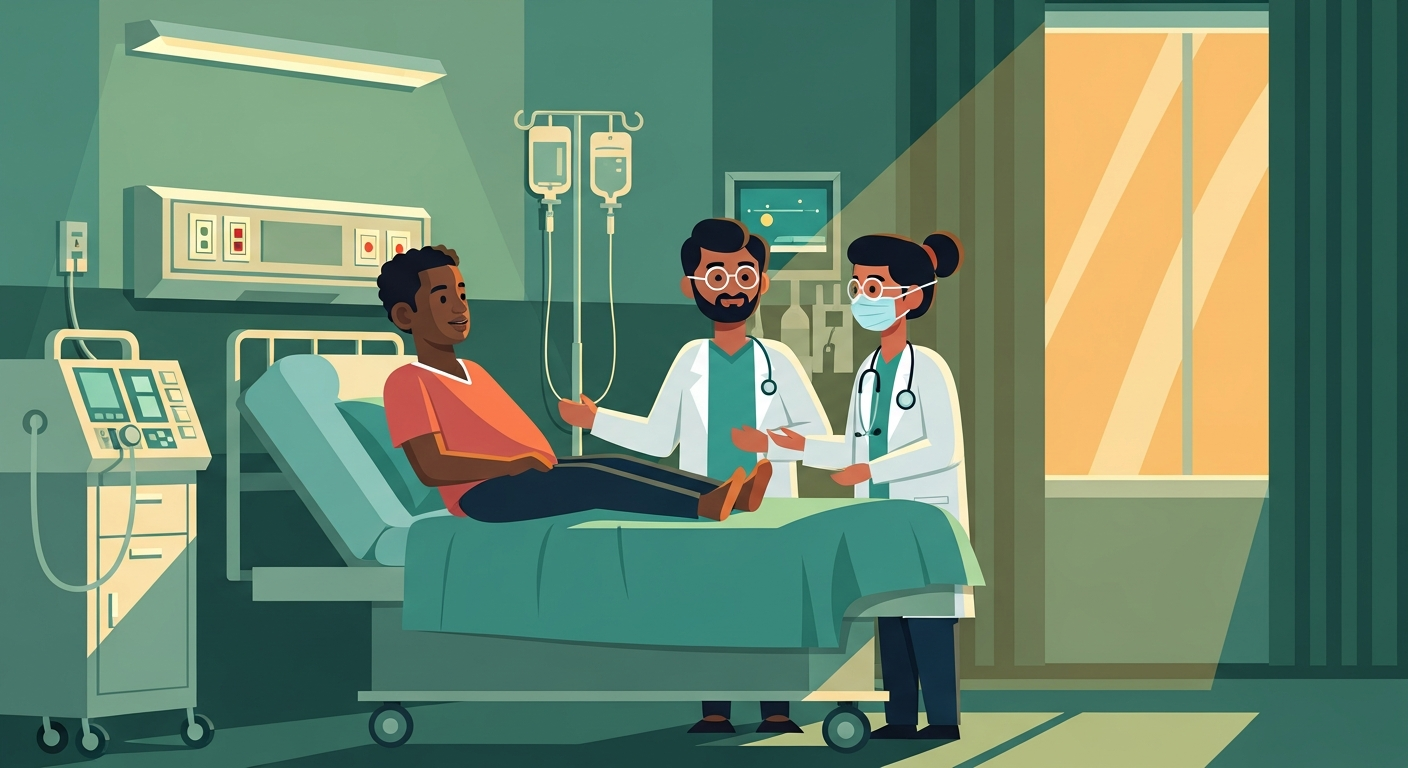
A cancer diagnosis changes everything — not just the body, but the mind. Research consistently shows that psychological distress affects 30–40% of cancer patients and, when untreated, directly worsens clinical outcomes by reducing treatment adherence and weakening immune response. (Journal of Clinical Oncology, 2020) India's leading cancer centres recognised this decades ago. Psycho-oncology is now standard practice at hospitals like Tata Memorial Mumbai, Apollo Cancer Centre Chennai, and Rajiv Gandhi Cancer Institute Delhi.
For African patients coming to India for cancer treatment, psycho-oncology support is available from the day of diagnosis through survivorship — at costs that make it realistic to actually use, not just an add-on that gets skipped.
What Is Psycho-Oncology?
Psycho-oncology is the discipline that addresses the psychological, social, behavioural, and existential dimensions of cancer. It sits at the intersection of oncology and mental health, and its practitioners are specialists trained in both clinical psychology and the specific demands of cancer care. Studies show that psycho-oncology interventions improve quality of life, reduce anxiety and depression, improve pain tolerance, and — in some studies — extend survival. (Psycho-Oncology Journal, 2021)
Citation Capsule: A 2021 Cochrane systematic review found that psychological interventions for cancer patients reduce depression symptoms by an average of 20–30% and anxiety symptoms by 15–25%, with the strongest effects seen when intervention begins at diagnosis rather than after treatment completion. (Cochrane Review, 2021)
Indian psycho-oncologists work directly within cancer treatment teams. They attend multidisciplinary tumour boards, are notified when new diagnoses are confirmed, and reach out to patients proactively rather than waiting to be referred.

What Does a Psycho-Oncologist Address?
At the Time of Diagnosis
The period immediately after a cancer diagnosis is psychologically one of the most acute. Adjustment disorder, acute anxiety, and existential crisis are common. Psycho-oncologists in India provide crisis-informed support that helps patients absorb difficult information, understand treatment options, and make decisions without being overwhelmed.
They also address practical concerns that drive anxiety: what to tell family members, how to handle work, whether to travel for treatment. For African patients in India away from home, this layer of support is particularly important.
During Cancer Treatment
Chemotherapy, radiation, and surgery all carry significant psychological burdens. Anticipatory nausea before chemotherapy affects up to 29% of patients and responds well to psychological intervention. (Cancer, 2018) Treatment fatigue, changes in body image after surgery, and fear of recurrence all require active psychological management.
Indian psycho-oncologists teach evidence-based techniques: cognitive restructuring for catastrophic thinking, behavioural activation for depression-related withdrawal, relaxation training for anxiety before procedures. These are not general wellness approaches — they are adapted specifically to the cancer context.
For Families and Caregivers
Cancer doesn't happen to one person in isolation. Family members and caregivers experience secondary traumatic stress, anticipatory grief, and caregiver burnout. Indian psycho-oncology programmes include family counselling and caregiver support groups. Addressing caregiver wellbeing improves outcomes for patients too — exhausted, distressed caregivers are less able to support recovery.
In Advanced and Palliative Stages
For patients with metastatic disease or who are entering palliative care, psycho-oncologists help with life review, legacy planning, existential questions, and grief. Dignity therapy — a structured interview process that helps patients articulate what has mattered in their lives — is available at select Indian centres.
What Does Psycho-Oncology Cost in India?
Arodya Data
| Service | India (USD) | USA (USD) | UK (GBP) |
|---|---|---|---|
| Individual psycho-oncology session | 25–80 | 150–300 | 100–200 |
| Family counselling session | 30–80 | 150–250 | 100–180 |
| Support group (per session) | 10–25 | 50–100 | 40–80 |
| 8-week structured programme | 300–600 | 3,000–8,000 | 2,000–5,500 |
| Palliative care psychology consult | 40–100 | 200–400 | 150–300 |
Many of India's large cancer centres include at least initial psycho-oncology assessment in their oncology package costs — meaning patients may not pay separately unless they request extended sessions.
Who Provides Psycho-Oncology in India?
Qualifications and Training
Psycho-oncologists in India typically hold a master's degree in clinical psychology or counselling psychology, followed by 12–24 months of specialised training in cancer settings. Many have completed training or observerships at international cancer centres in the UK, USA, or Australia.
India's leading centres — Tata Memorial, Adyar Cancer Institute, Kidwai Memorial Institute — maintain dedicated psycho-oncology departments with multiple professionals. Smaller centres use clinical psychologists embedded within oncology teams.
What Languages Are Available?
English is the working language at all major Indian cancer centres. Most psycho-oncologists who work with international patients are fluent and culturally informed about communication styles and beliefs regarding cancer, death, and mental health across different African contexts.
How Does Psycho-Oncology Improve Clinical Outcomes?
The connection between psychological state and cancer outcomes is not merely theoretical. Multiple mechanisms are documented:
- Treatment adherence: Psychologically supported patients are significantly more likely to complete chemotherapy and radiation courses. Anxiety and depression are the leading causes of premature treatment discontinuation.
- Immune function: Chronic psychological stress suppresses natural killer cell activity and pro-inflammatory cytokine regulation, both relevant to cancer progression and treatment response.
- Pain tolerance: Psychological distress amplifies pain perception. Cognitive and relaxation interventions reduce analgesic requirements in cancer patients.
- Survival: A landmark review found patients with psychological support had measurably better survival outcomes in several cancer types, though the mechanisms remain under investigation. (British Journal of Cancer, 2020)
Arodya Insight