Post Surgery Recovery in India – Where to Stay, What to Eat, and How to Get Follow-Up Care

TL;DR: Recovery time in India after major surgery ranges from 5–14 days post-discharge before flying home (cardiac: 10–14 days; orthopedic: 5–7 days; transplant: 3–4 weeks). Staying longer reduces complication risk significantly — re-admission rates for patients who fly home within 72 hours are 3× higher than those who wait 7+ days. Most recovery accommodation costs USD 25–60/night near Delhi's hospital clusters.
You had your surgery. The hard part is done. Now comes the recovery — and this matters as much as the operation itself. If you came to India for affordable treatment, you need to know exactly how to recover safely and get home healthy. This guide covers everything about post-surgery recovery in India.
Where to Stay During Recovery
Hospital Days (1–7 After Surgery)
Your hospital stay depends on your surgery type:
- Minor procedures: 1–2 days
- Major surgery (heart, spine, transplant): 5–7 days
- Orthopedic surgery: 2–4 days
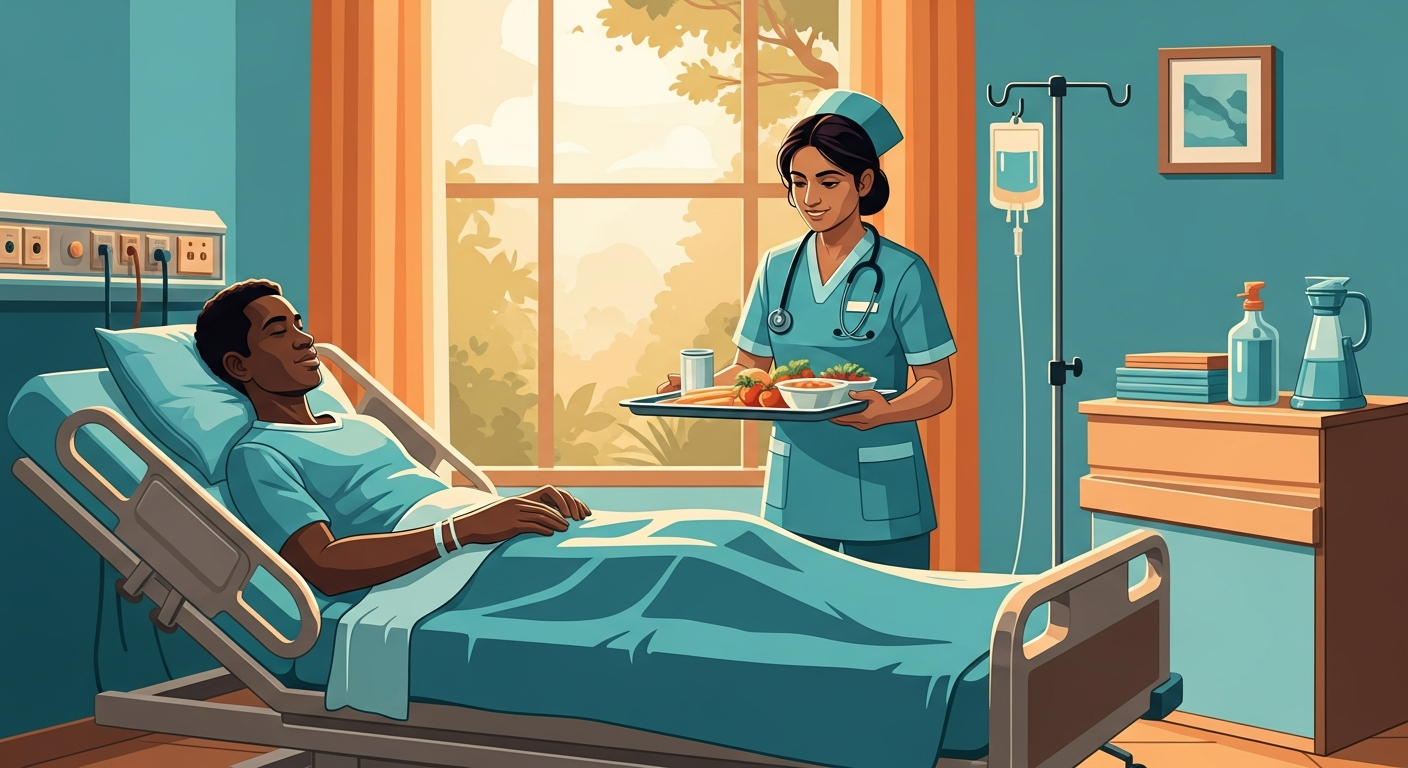
The hospital provides your room, bed, and 24/7 nursing care. Stay for the duration your doctors recommend — leaving early to save on hospital costs is a false economy.
After Hospital Discharge (Days 8–30)
Once discharged, you need somewhere comfortable to recover. Most international patients choose one of three options:
Option 1: Hospital-Approved Recovery Hotel
The hospital partners with nearby hotels built for post-op patients.
- 5–15 minutes from the hospital (important for follow-up appointments and emergencies)
- Staff trained to understand post-surgery needs
- Daily nurse check-ins available
- Meal room service with adjusted diet
- Emergency protocols in place
Cost: $40–80 per night
Recommendation: Best choice for the first 2 weeks after surgery
Option 2: Service Apartment
Some patients rent short-term apartments through platforms like Airbnb.
- More independence and space
- Kitchen for preparing preferred foods
- Usually cheaper per night
- Feels more like home
However: no on-site medical staff. Your companion must know the warning signs — fever, wound discharge, leg swelling — and be ready to get you to the hospital quickly.
Cost: $20–50 per night
Recommendation: Good from week 3 onward if you have a companion
Option 3: Stay With Local Family or Friends
Only recommended if they have experience with patient care, live close to the hospital, and understand post-operative protocols. The risk of emotional stress on the host and distance from medical facilities are real considerations.
Best practice: Use the hospital-approved hotel for the first 7–14 days, then move to a service apartment if staying longer.
What to Eat After Surgery in India
First 2–3 Days After Surgery (Hospital)
Your intestines slow down after anaesthesia. Start light:
- Clear broths and soups (vegetable, chicken, lentil)
- Boiled rice or rice water
- Plain toast with mild butter
- Fresh fruit juices (diluted)
- Coconut water (hydrating, easy to digest)
- Herbal tea (ginger, mint)
Heavy food in the first 48 hours causes gas, bloating, and constipation — all of which increase post-operative discomfort.
Days 4–7 (Still in Hospital)
As your appetite returns:
- Soft cooked vegetables (carrots, pumpkin, spinach)
- Well-cooked lentils (dal) — easy to digest protein source
- Boiled or scrambled eggs
- Plain yogurt
- Chicken or fish soup (mild, no heavy spices)
- White rice with mild curry
Days 8–14 (Recovery Hotel)
You're stronger now. Focus on protein for tissue repair:
- Lean proteins: chicken, fish, boiled eggs, paneer (cottage cheese)
- All cooked vegetables; gradually introduce raw salads by week 3
- Brown rice, whole wheat, dal
- Dairy: milk, yogurt
- Fresh fruits
- Turmeric and ginger — both have documented anti-inflammatory properties
Foods to avoid after surgery:
- Fried foods (impair wound healing)
- Heavily spiced food (ask for mild versions in India — it's easy to request)
- Alcohol (interferes with medications and healing)
- High-sugar foods (slow wound closure)
- Raw vegetables in the first 2–3 weeks
Proper nutrition speeds healing by 20–30% (ESPEN Clinical Nutrition in Surgery Guidelines, 2023). India's access to fresh, seasonal vegetables and fruit is a genuine advantage.
Managing Pain After Surgery
Hospital Phase (Days 1–7)
The hospital controls your pain with IV medications every 4–6 hours, transitioning to oral medications as you improve. Pain should remain at 3–4 out of 10 on the pain scale — uncomfortable but manageable.
Tell the nurse immediately if:
- Pain is severe (above 7/10)
- Pain suddenly increases
- You develop new pain in a new location
Don't ignore pain or "tough it out." Effective pain control actually speeds recovery because you can move, breathe deeply, and sleep.
Recovery Hotel Phase (Days 8–30)
By week 2, you're managing pain with oral medications — typically paracetamol, ibuprofen, or prescribed analgesics taken 3–4 times daily. Natural aids that complement medication:
- Ice packs for the first 48 hours after discharge (reduces swelling)
- Heat pads after day 3 (relaxes muscle tension)
- Elevation of the operated area
- Adequate rest between walking sessions
Most patients are off strong pain medication by week 3, with only occasional mild relief needed.
Physical Therapy and Movement
Days 1–3 (Hospital): Rest. Light movements only — wiggle fingers, move ankles, do gentle leg exercises in bed.
Days 4–7 (Hospital): A physiotherapist visits daily:
- Sitting up in bed
- Standing with support for 1–2 minutes
- Walking short distances (10–20 steps) with assistance
- Breathing exercises to prevent pneumonia
Early movement prevents blood clots and pneumonia — the two most common serious post-operative complications.
Days 8–21 (Recovery accommodation):
- Walking daily: start with 100 steps, add 50 steps each day
- Avoid stairs for the first 2 weeks, then begin cautiously
- Gentle stretches away from the incision area
- No lifting over 2–3 kg (approximately 5 pounds)
Weeks 3–6: Outpatient physiotherapy 2–3 sessions per week. Your physiotherapist prescribes exercises specific to your surgery type. Progress toward normal movement follows the protocol your Indian surgical team set at discharge.
Important: Full recovery takes 6–12 weeks depending on surgery type. Don't compare your progress to other patients — every recovery is individual.
Follow-Up Care While in India
Before you leave hospital (Day 5–7): Your doctor schedules follow-up appointments:
- Week 1 follow-up: 7 days after surgery
- Week 2 follow-up: 14 days after surgery
- Final clearance before flying home: day 21–28
At each visit: The surgeon checks your incision, removes sutures if needed (usually day 7–10), reviews your recovery progress, adjusts medications, and answers your questions.
Never skip a follow-up appointment. The doctor needs to confirm proper healing before you are cleared to fly. A $25 taxi ride to a follow-up is far cheaper than an emergency hospital readmission.
Watching for Complications
Normal after surgery:
- Mild swelling around the incision
- Slight bruising
- Light drainage from the incision in the first few days
- Mild fever (under 38.5°C)
- Fatigue
Call the doctor immediately if:
- Fever over 38.5°C — sign of infection
- Excessive bleeding or pus from the incision
- Increasing pain that medications don't control
- Redness, warmth, or hardness spreading around the incision
- Sudden leg swelling (especially in the calf — potential blood clot)
- Difficulty breathing
- Chest pain (seek emergency care immediately)
- Severe nausea, vomiting, or inability to pass urine after 3 days
Complications occur in 2–5% of patients. Caught early, most are manageable. This is precisely why staying near the hospital for follow-up appointments matters.
Flying Home Safely
When Can You Fly?
| Surgery Type | Minimum Time Before Flying |
|---|---|
| Minor surgery | 5–7 days post-surgery |
| Moderate surgery (abdominal, joint) | 10–14 days |
| Major surgery (cardiac, spine, transplant) | 3–4 weeks minimum |
Your surgeon gives final clearance at the pre-departure consultation. Don't book your return flight until after this appointment.
Before flying: Confirm the incision is fully closed, you can walk 5–10 minutes comfortably, pain is managed on oral medication only, and you have a written medical clearance letter for the airline.
On the Flight Itself
Long-haul flights to Africa run 8–14 hours — conditions that significantly raise blood clot risk. Without prophylaxis, the risk of deep vein thrombosis after major orthopaedic surgery exceeds 40% (PMC, 2024). Four habits that protect you:
- Wear compression socks for the entire flight, not just boarding
- Book an aisle seat and walk the cabin every 90 minutes
- Drink water throughout; avoid alcohol and caffeine, which dehydrate
- Take all medications on schedule, adjusted for time zone change before boarding
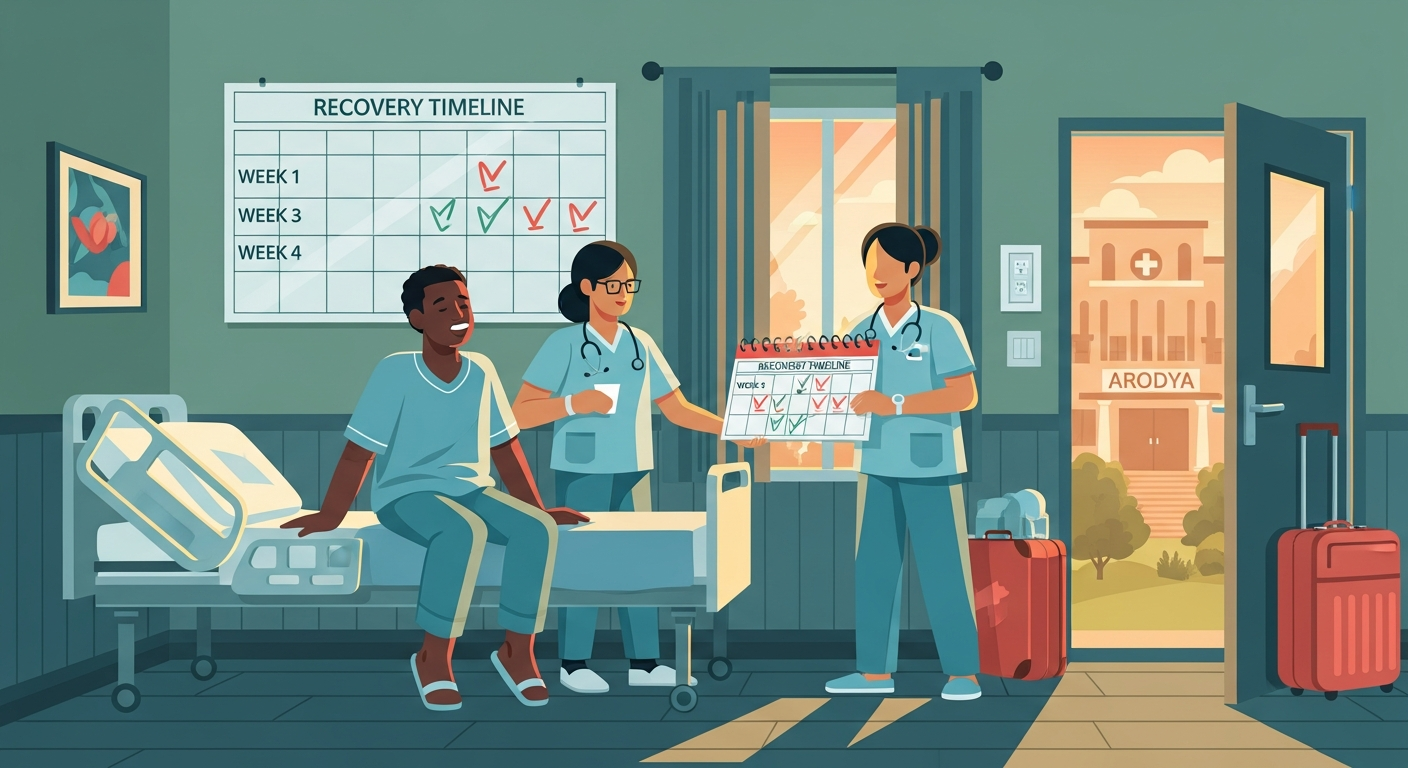
Complete Recovery Timeline
| Timeline | What's Happening | What You Can Do |
|---|---|---|
| Days 1–3 | Acute recovery, pain management | Rest, light movement, light food |
| Days 4–7 | Incision healing, physiotherapy starts | Walk 20 steps, sit up, soft food |
| Days 8–14 | Discharge, hotel recovery | Walk 200+ steps, normal food, follow-up |
| Days 15–21 | Sutures removed, increasing activity | Exercise routine, longer walks |
| Days 22–42 | Return home, continued healing | Work from home, avoid heavy lifting |
| Weeks 6–12 | Full recovery phase | Resume normal activities gradually |
| 3+ months | Full return to normal life | No restrictions (with doctor approval) |