Art Therapy in India: Complete Guide to Expert Art Therapy Treatment, Creative Healing, and World-Class Art Therapy Services
TL;DR: Art therapy in India is available at select rehabilitation, oncology, and psychiatric centres as a complementary therapy for cancer patients, stroke survivors, and those managing chronic illness or trauma. Sessions cost USD 20–50. India's art therapy programmes are led by trained therapists and support emotional processing alongside conventional medical treatment.
Art therapy is not arts and crafts. It is a structured clinical approach in which a trained therapist uses creative materials as a medium for psychological processing, emotional expression, and therapeutic change. For patients recovering from cancer treatment, managing PTSD, or adjusting to chronic illness, it offers a non-verbal pathway to work through experiences that are difficult to put into words.
India's art therapy services remain concentrated at major urban rehabilitation centres, cancer hospitals, and psychiatric facilities — primarily in Mumbai, Delhi, Bangalore, and Chennai. The field is growing, but patients should be specific about what they need when seeking services.
What Is Art Therapy?
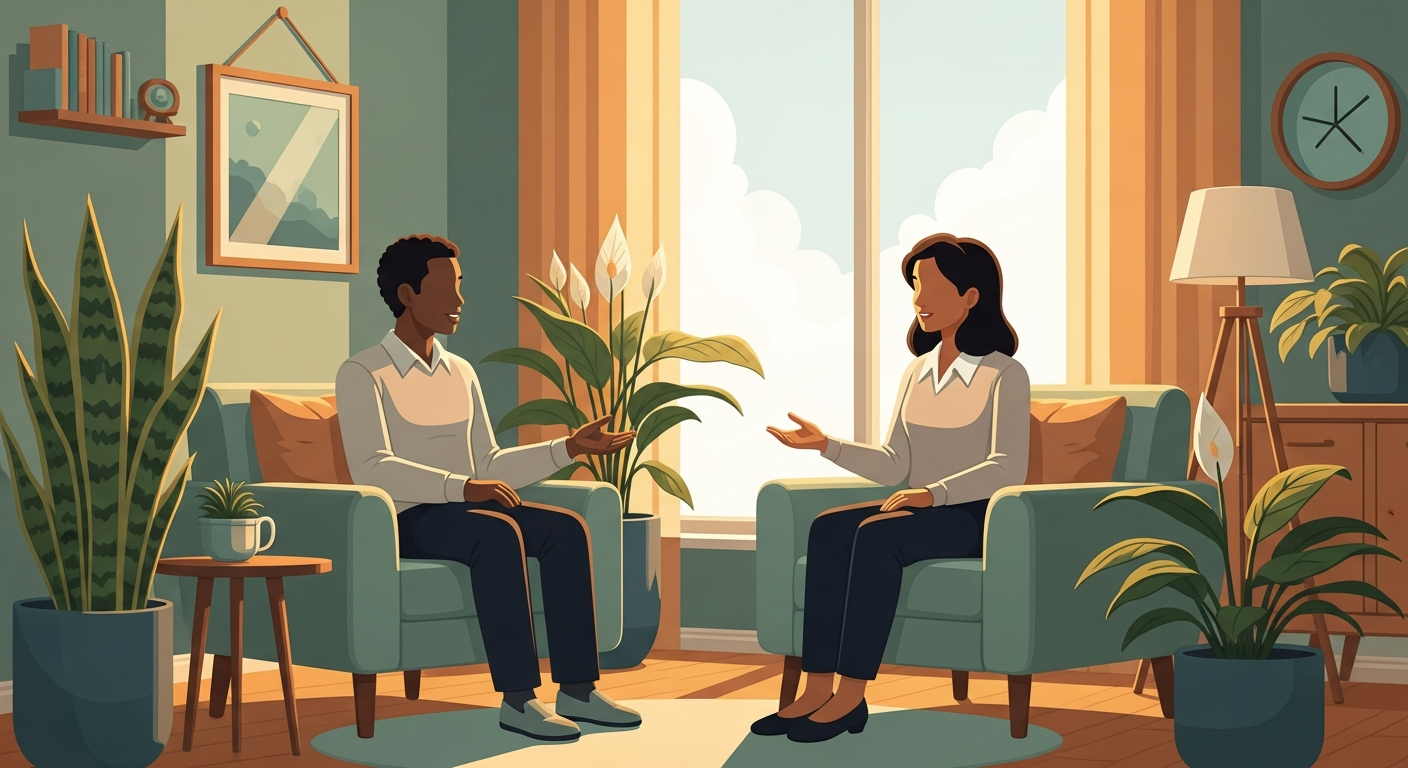
Art therapy is a mental health profession that integrates psychotherapy principles with the creative process. It is not about producing skilled artwork. The materials — paint, clay, collage, drawing — become a medium through which a trained therapist helps a client explore emotions, process difficult experiences, and work toward psychological goals.
Globally, art therapy shows consistent evidence for reducing anxiety and depression symptoms. A 2016 meta-analysis published in the Journal of Affective Disorders found significant positive effects on depression and anxiety across 27 randomised controlled trials (Journal of Affective Disorders, 2016). In cancer care specifically, it helps patients process diagnosis, manage treatment side effects, and maintain a sense of agency.
Citation capsule: A 2016 meta-analysis across 27 randomised trials found art therapy produced significant reductions in depression and anxiety symptoms compared to control conditions. Effect sizes were moderate to large for patients with chronic illness and cancer (Journal of Affective Disorders, 2016).
What Conditions Does Art Therapy Address?
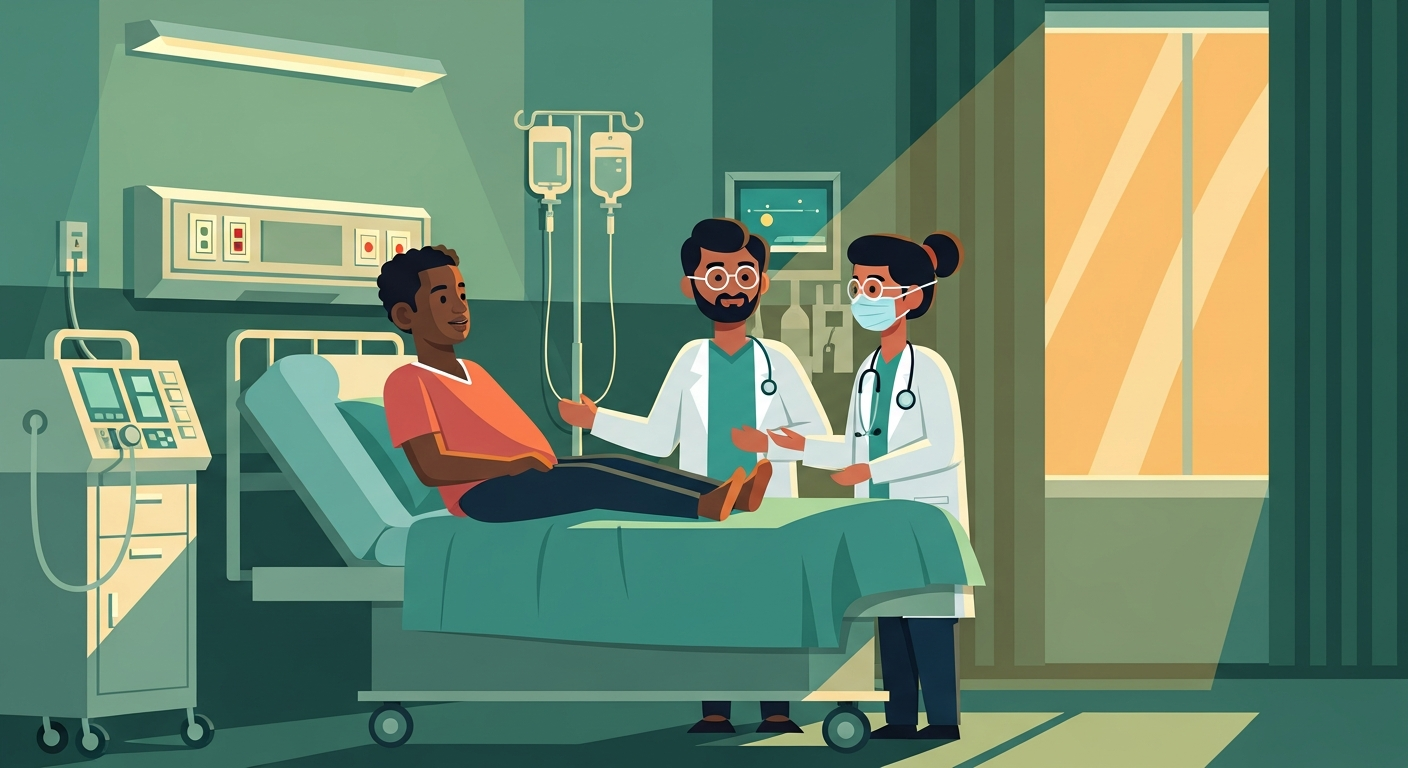
Art therapy is used most commonly as a complement to, not a replacement for, conventional medical or psychological treatment. The conditions where it has the strongest evidence base:
Mental health and psychological conditions:
- Depression and persistent low mood
- Anxiety disorders and PTSD
- Trauma processing
- Grief and bereavement
- Adjustment to serious illness
Physical health and rehabilitation:
- Cancer recovery — managing anxiety, fear of recurrence, and treatment side effects
- Stroke rehabilitation — relearning movement and processing neurological changes
- Chronic pain management — reducing the psychological burden of long-term pain
- Traumatic brain injury — cognitive engagement and emotional processing
- Parkinson's disease — maintaining motor engagement and expression
Developmental and behavioural:
- Autism spectrum disorders — communication and sensory expression
- ADHD — focus and self-regulation
- Learning disabilities
Life circumstances:
- Substance use recovery — creative coping skills and relapse prevention
- Life transitions and identity challenges
- Social isolation and loneliness
How Much Does Art Therapy Cost in India?
Art therapy sessions in India cost considerably less than in Western countries, though pricing varies by facility type and therapist qualification.
| Service | India (USD) | USA (USD) | UK (GBP) |
|---|---|---|---|
| Individual session (50–60 min) | $20–50 | $100–200 | £75–150 |
| Group session | $10–25 | $40–80 | £30–60 |
| Intensive 2-week programme | $1,200–2,500 | $5,000–15,000 | £4,000–12,000 |
| Comprehensive 8-week programme | $400–800 | $3,000–8,000 | £2,500–7,000 |
Who Provides Art Therapy in India?
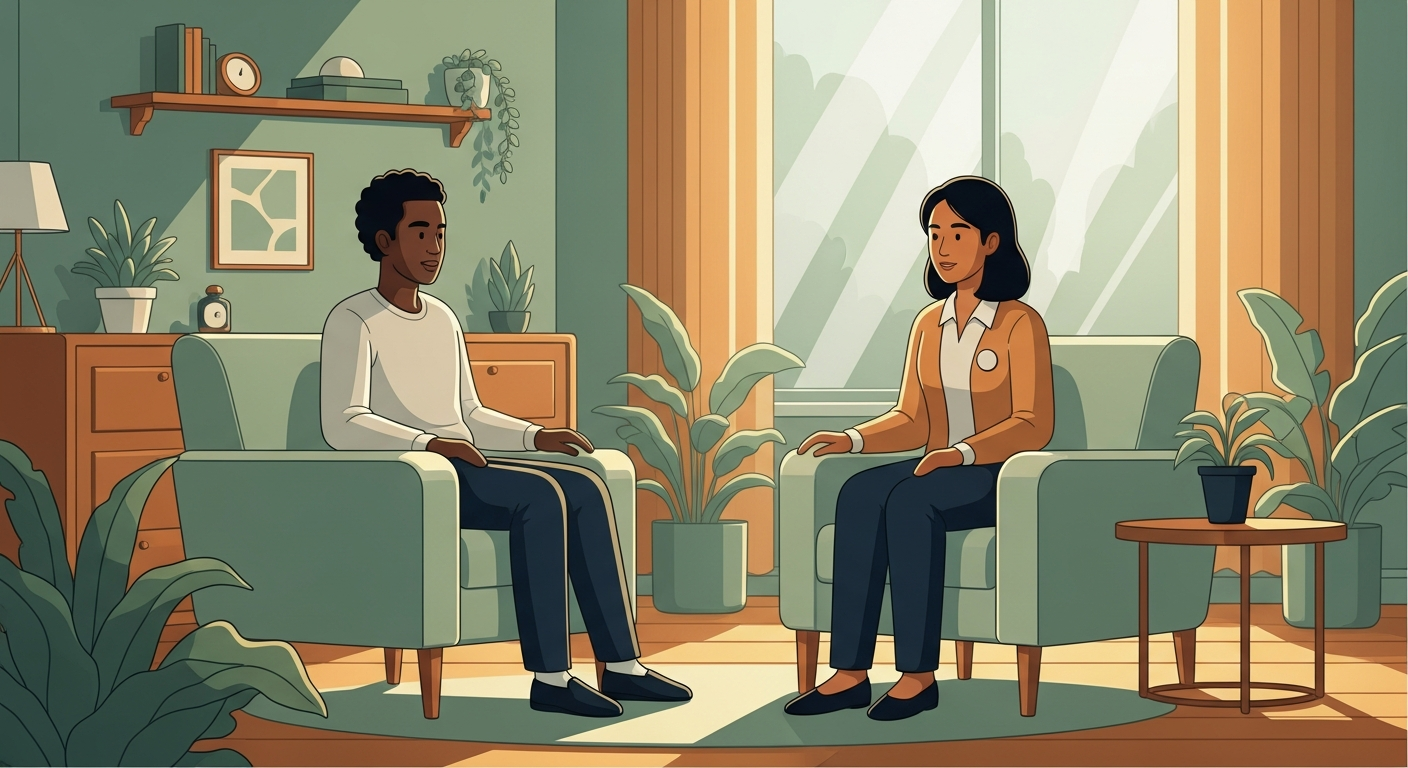
India's art therapy field is still developing formal credentialing pathways. Therapists practising at major hospitals and rehabilitation centres typically hold:
- A bachelor's degree in psychology, social work, or fine arts
- A postgraduate certificate or master's degree in art therapy or clinical psychology with art therapy training
- 1,000 or more hours of supervised clinical practice
- Ongoing professional development
The field lacks a single national registration body, so evaluating a therapist's qualifications requires asking directly about their training, supervised hours, and institutional affiliation. Art therapists working within hospital departments at Apollo, Fortis, Tata Memorial, and similar accredited centres have passed institutional credentialing processes.
Arodya Insight
What Happens in an Art Therapy Session?
A typical session runs 45–60 minutes. The therapist does not judge the quality of what you create — the process matters far more than the product. A session might involve:
- Free expressive drawing or painting in response to a theme the therapist introduces
- Creating a collage representing a current emotional state
- Working with clay to explore physical sensations
- Art journaling — combining writing and visual imagery
- Responding to your own previous work across sessions as a tool for tracking change
The therapist observes, asks reflective questions, and helps you make connections between what you create and what you are experiencing emotionally. Sessions are confidential.
Group vs Individual Art Therapy
Both formats have evidence for effectiveness; the choice depends on the patient's needs and comfort.
Individual art therapy is better suited for trauma processing, sensitive personal material, and patients who need intensive one-to-one support.
Group art therapy offers the additional therapeutic benefit of shared experience, reduced isolation, and the normalising effect of seeing others work through similar challenges. For cancer patients, stroke survivors, and those in substance use recovery, group formats can be particularly powerful.